
When it comes to adding health goals to your lifestyle or flavor to your cooking, small steps matter. Enter balsamic vinegars. A dynamic ingredient that ranges from tangy to sweet, sour to savory, quality balsamic vinegars are an underrated kitchen staple.
Posca, A History
The Greek-Latin word “balsamico” translates to “health-giving,” and refers to its early use as a digestive aid. Beginning around 4000 BC, the Babylonians used wine to make vinegar for pickling food and amending water to render it safe for consumption. The ancient Romans called a mix of water and vinegar “posca,” and it was popular among Roman soldiers. During the Crucifixion of Jesus recorded in Matthew 27:48, a Roman soldier took a sponge, “filled it with wine vinegar, put it on a staff, and offered it to Jesus to drink.”
Queen Cleopatra of Egypt is cited by the Roman philosopher Pliny the Elder in his book,
Natural History, as using vinegar to win a bet with the Roman general, Marc Antony. Queen Cleopatra wagered she could spend 10m sesterces (a true fortune) on a meal, and did so by dissolving a pearl earring described as “the largest in the whole of history” in vinegar, then drinking it.
Fast forward a millennia to the year 1046, when the balsamic iteration of vinegars took place in Casossa, Modena (northern Italy). In Italian, “acetate” is the word for vinegar, translating to “sour wine.” Acetaia are balsamic vinegars producers, or vinegar cellars, analogous to a vineyard that produces wine or a distillery producing whiskey.
Almost Wine
Food traditions often come with a story; some are old enough to have a soul. Balsamic vinegars have existed for a millennium and are years away from typical cider, malt or wine vinegars that offer a sharp, acidic profile. The process of making balsamic vinegars is similar and yet dramatically different from making wine. In both instances, ripe grapes are harvested late in the season at peak sugar content, de-stemmed and cold-pressed into juice, known as “must.” There are varieties with lighter, sweet, fruity flavors, as well as darker varieties with deep, rich and complex flavors.
Where wine production starts to differ is that fermentation is desirable. Naturally occurring yeast ferments grape must, consuming sugars and producing alcohol. The opposite is true when making balsamics; juice is heated (but not boiled) to deactivate yeast. The cooked grape must darkens and becomes concentrated as water evaporates and sugars caramelize. The must is strained and then transferred into wooden vats or casks made of oak, chestnut, juniper or mulberry. Each is specifically selected, almost as an additional ingredient, to impart unique flavors at each stage.
Where wine is barrel aged in consistently cool environments, producing balsamic vinegar utilizes seasonal temperature swings. Attics are frequently the location of choice, as such environments become hot in the summer and cold over winter, causing wood casks to expand and contract, working the liquid into the wood. As with whiskey, there is a similarly occurring “angel’s share” that sees up to 10% of the moisture evaporate through the cask walls annually. Here, the decrease in volume is desirable for the balsamics to concentrate into a luxurious, silky, robust syrup.
The “Battery”
Aging balsamics is an active and lengthy process. Known as a “battery,” balsamic vinegars are stored in a row of sequentially smaller wood casks; the largest casks contain the younger balsamics, the smaller casks containing balsamics aged for years or decades. As the volume in the first cask decreases, a portion of vinegar is transferred into the next smaller cask. Casks are never empty, melding younger balsamics with aged, viscous concentrates in well-seasoned barrels. The transfer process allows oxygen into the casks to sustain beneficial bacteria that convert sugar into vinegar, allowing some acidity to develop, yet without the vinegar fermenting. Casks can be opened and loosely covered to allow further air flow. When a maker, or acetaia, decides the contents of the final cask are fully developed, a portion is decanted as the final product.
Casks themselves age and improve over time, housing generations of balsamic vinegars across many seasons, developing specific flavor profiles. When making balsamics, families and producers throughout Modena emphasize the casks in the process, not the grapes.
Grapes well-suited for balsamic vinegar are purchased and brought home to cook, stored in the family battery of casks. Some families will start a balsamic vinegar when a child is born, so it develops with them. One Italian producer, Acetaia Giusti, founded in 1605, still uses casks dating back to the 1700s. As needs for additional casks arise, Acetaia Giusti purchases old casks from local families, then carefully cycles them into their production to protect their signature flavors.
The duration of aging influences the quality and complexity of flavors, as well as the cost. Aged from a couple of years to several decades as an extreme, there are sweet spots to be found in the middle. Standards and prices vary widely; balsamic vinegars might be aged for 60 days to 12 years or longer.
In the 1980s, balsamic vinegars went international and were brought to United States supermarkets by mass producers. These commercial producers opened the door and made the introduction, albeit with lower-quality ingredients such as added sugars, to offer lower-cost products. Shorter periods of aging also deliver harsher, undeveloped flavors, but are less expensive.
Enjoying Balsamics
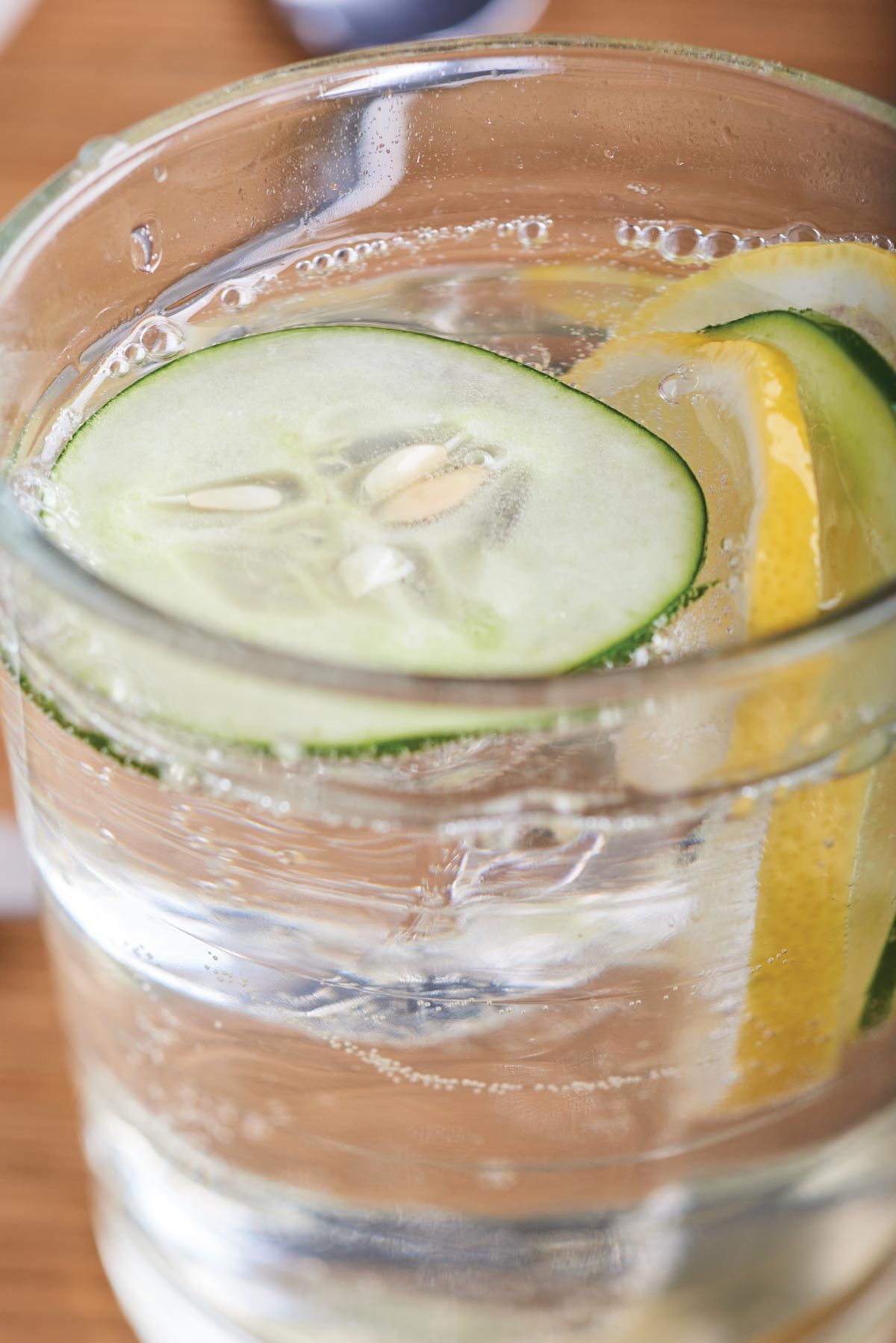
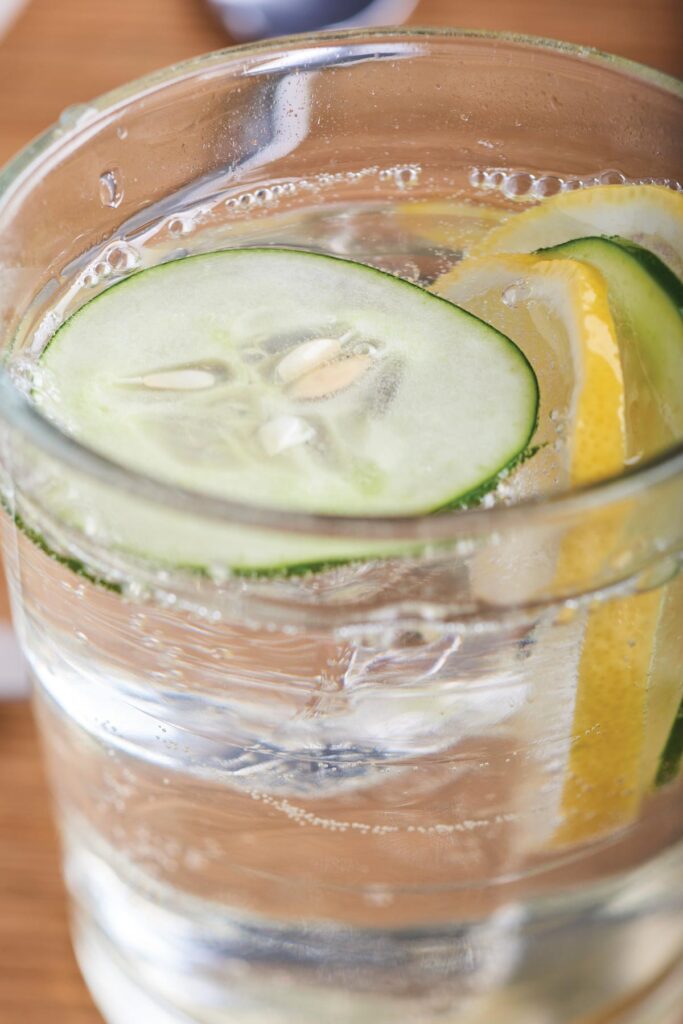
Add a splash of balsamic to club soda, seltzer or tonic water to create a refreshing mocktail or modern-day posca. Seltzer’s carbonation opens up brighter flavors when mixed with balsamic. Club soda adds minerals, including sodium, enhancing existing flavors. Tonic water includes sugar and quinine, sweet and bitter.
Tonic is my favorite choice, at least where a bitter flavor can complement an acidic or sweet balsamic, but it’s also the least healthy choice. White balsamic, such as Strawberry Peach or Cucumber Lemon, mixed with tonic water, makes an instant upgrade to drinking water throughout the day. Served at a social gathering, a cucumber or lemon garnish with a dab of balsamic on the rim of the glass adds further dimension, interest, and color.
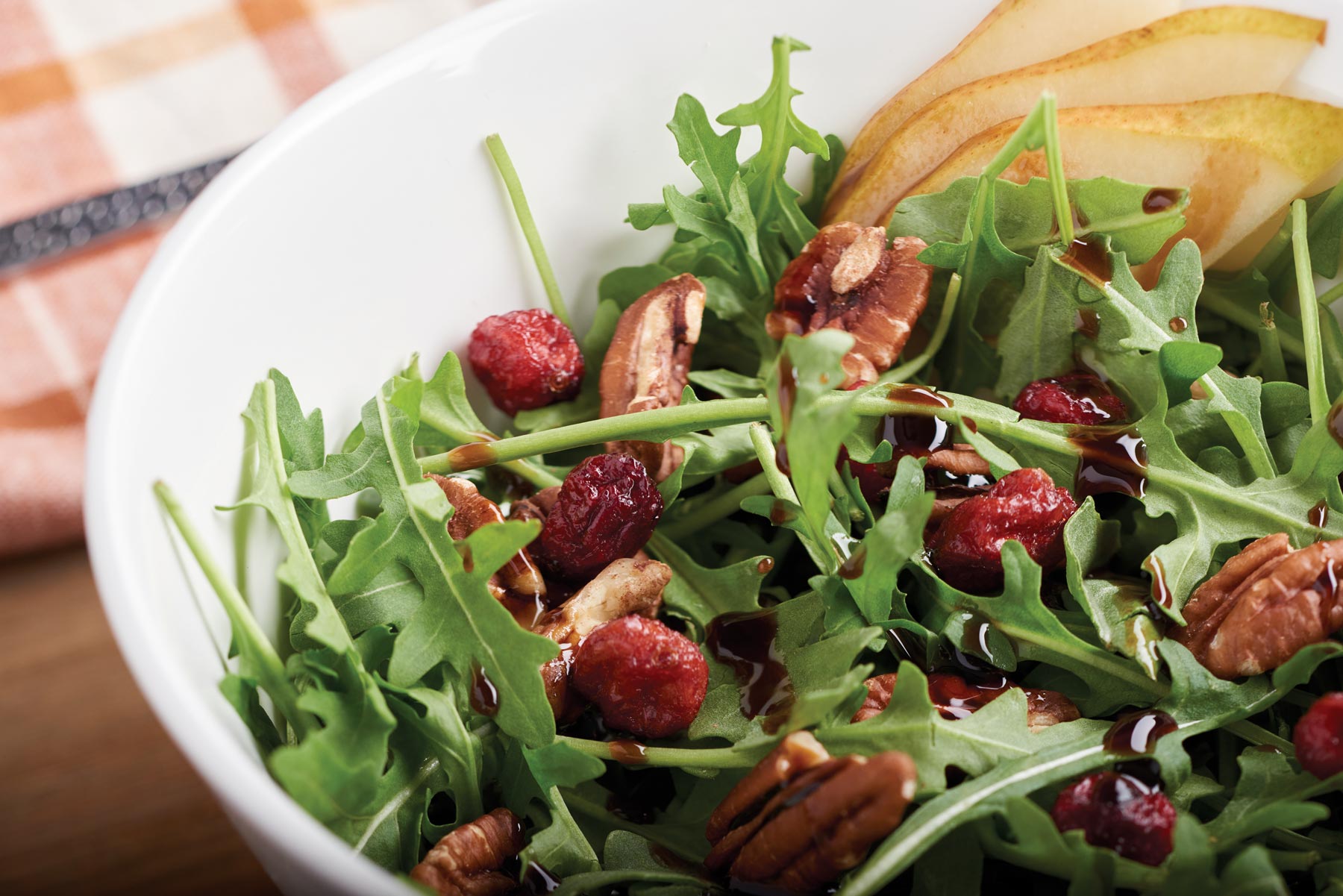
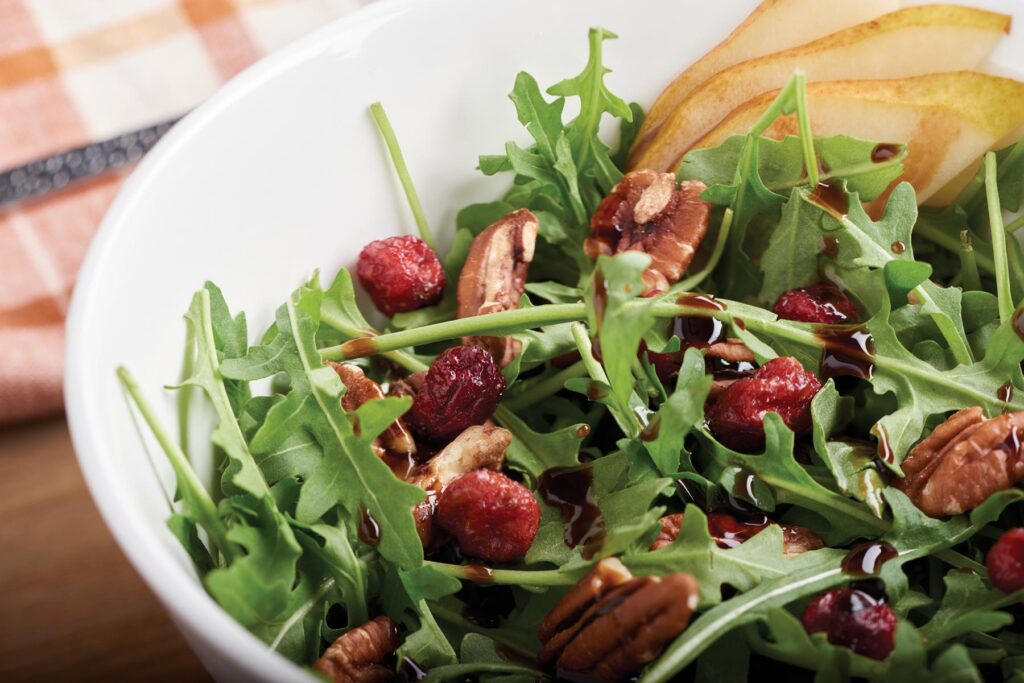
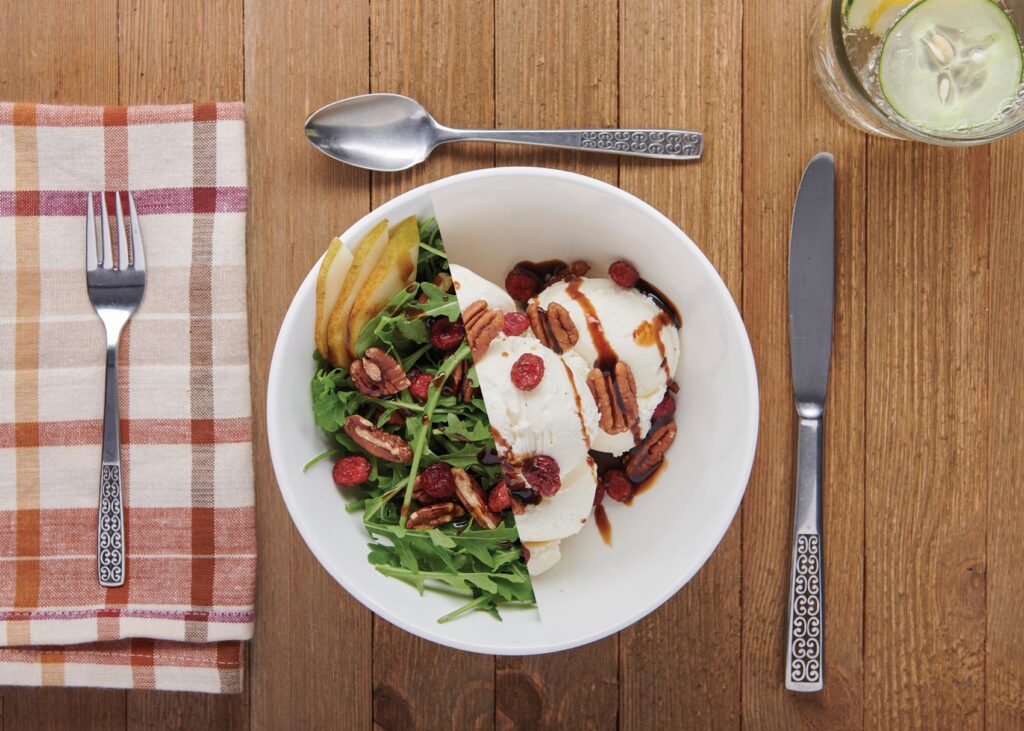
Drizzling a dark balsamic over melon, prosciutto, and optional mint is a delightful experience. Over winter, apples and stone fruits such as pears or plums provide for great choices to pair with balsamics. Charcuterie is another pairing option for cured meats.
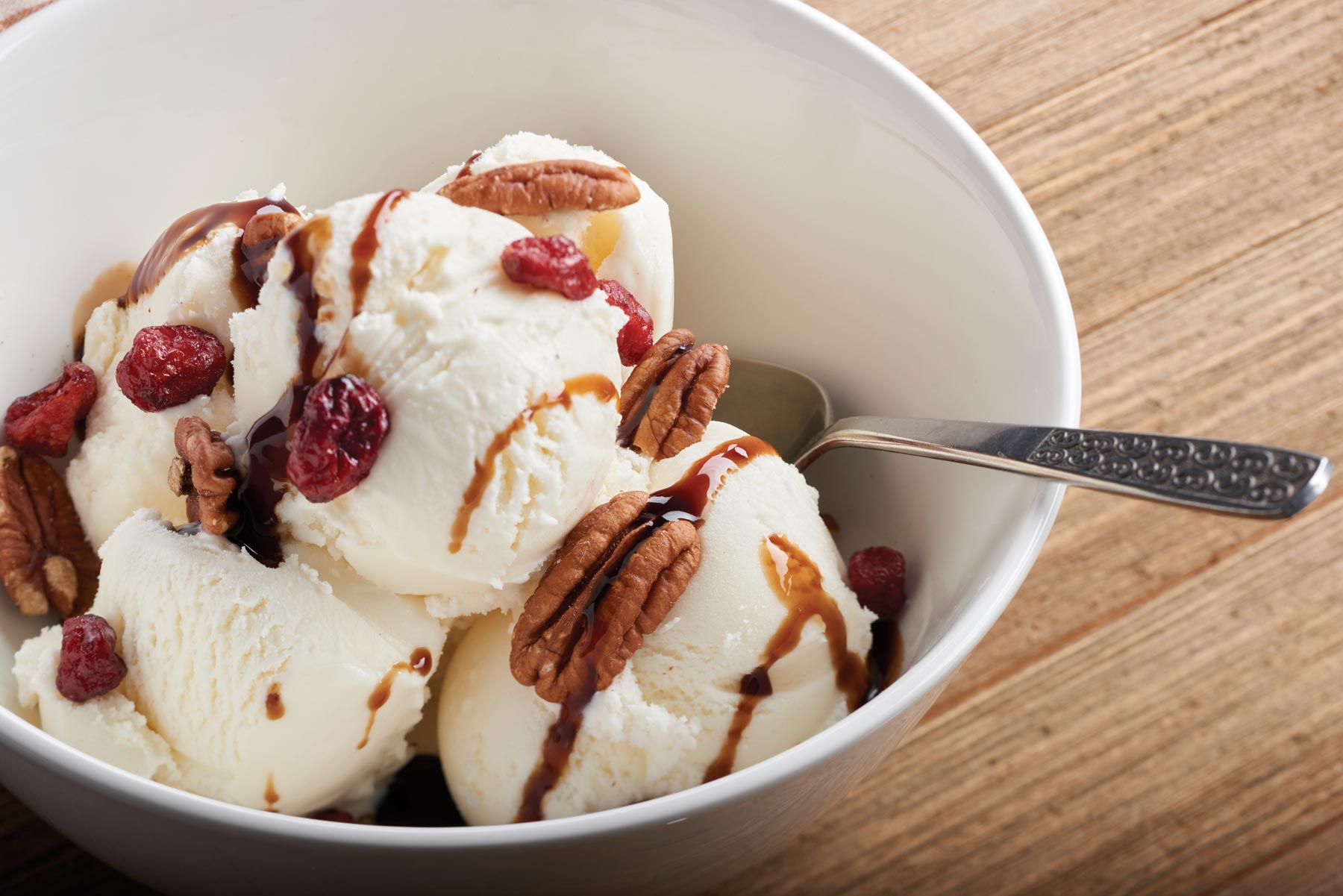
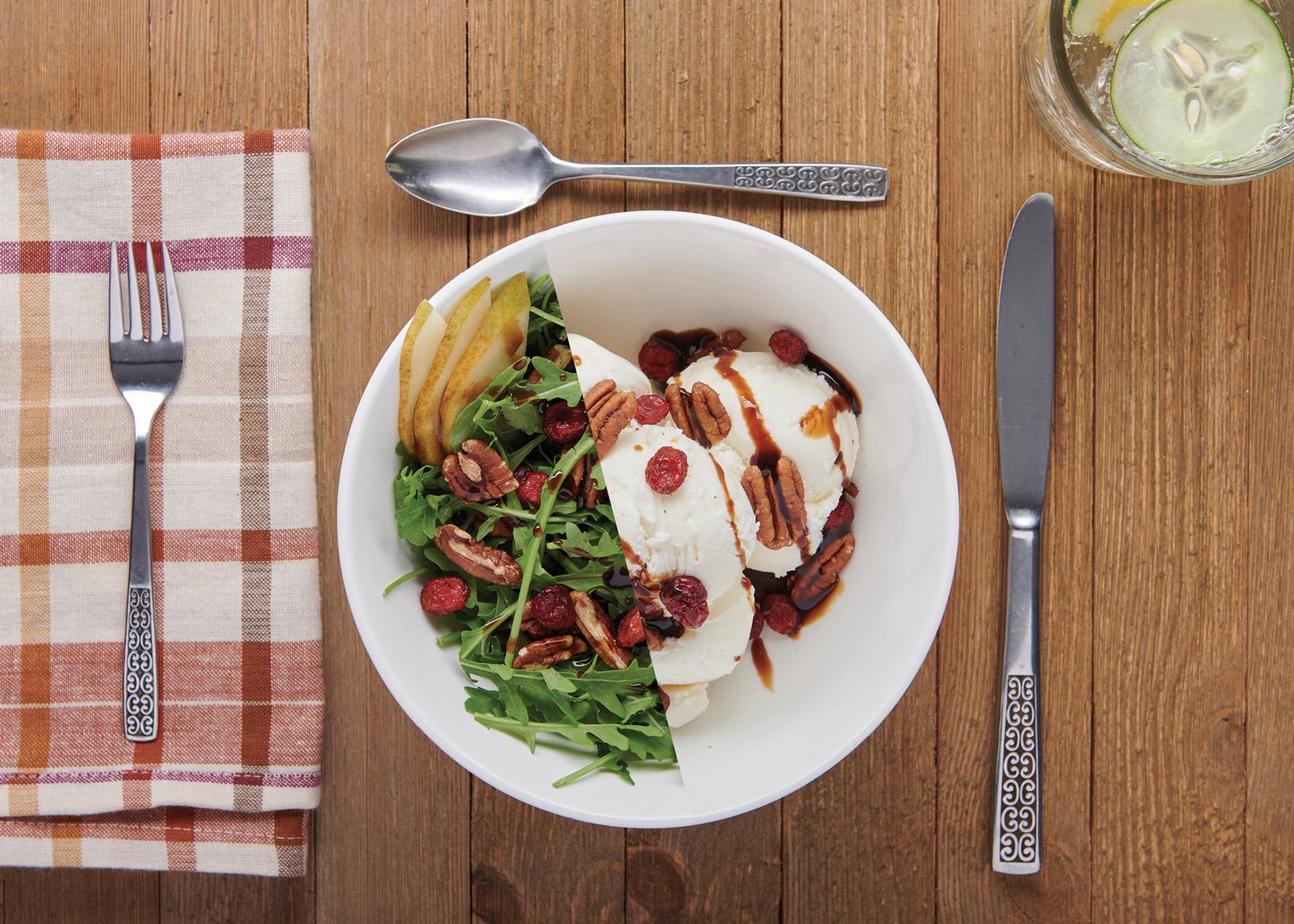
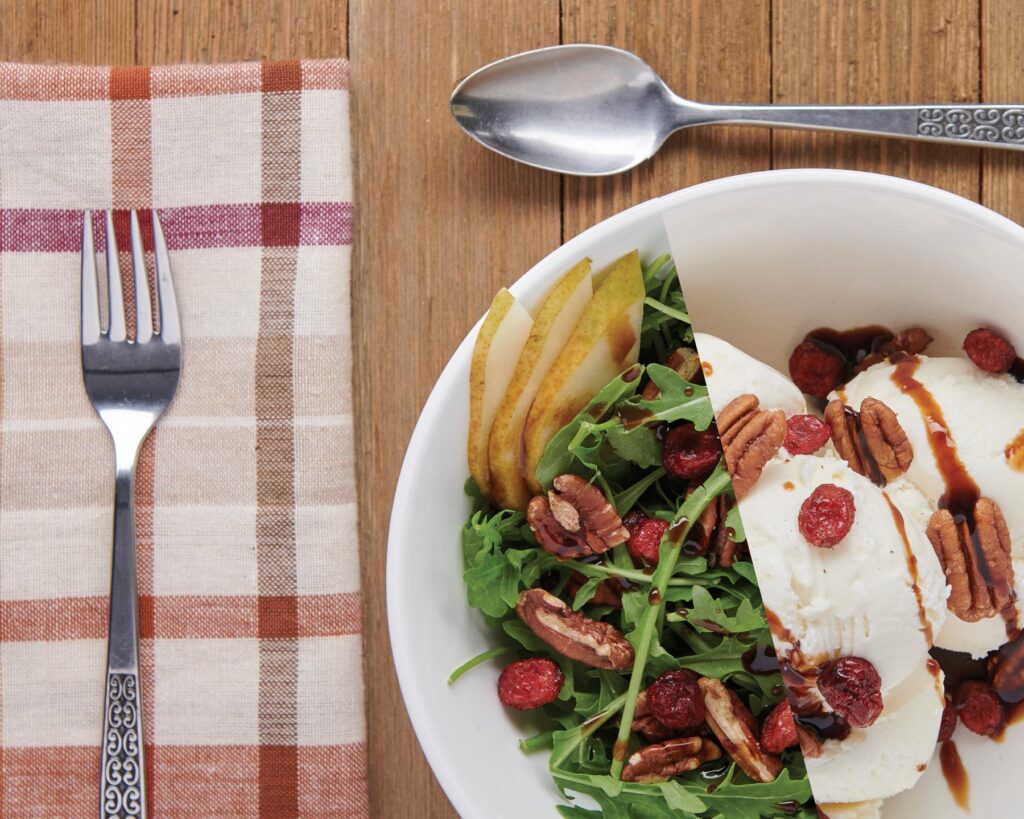
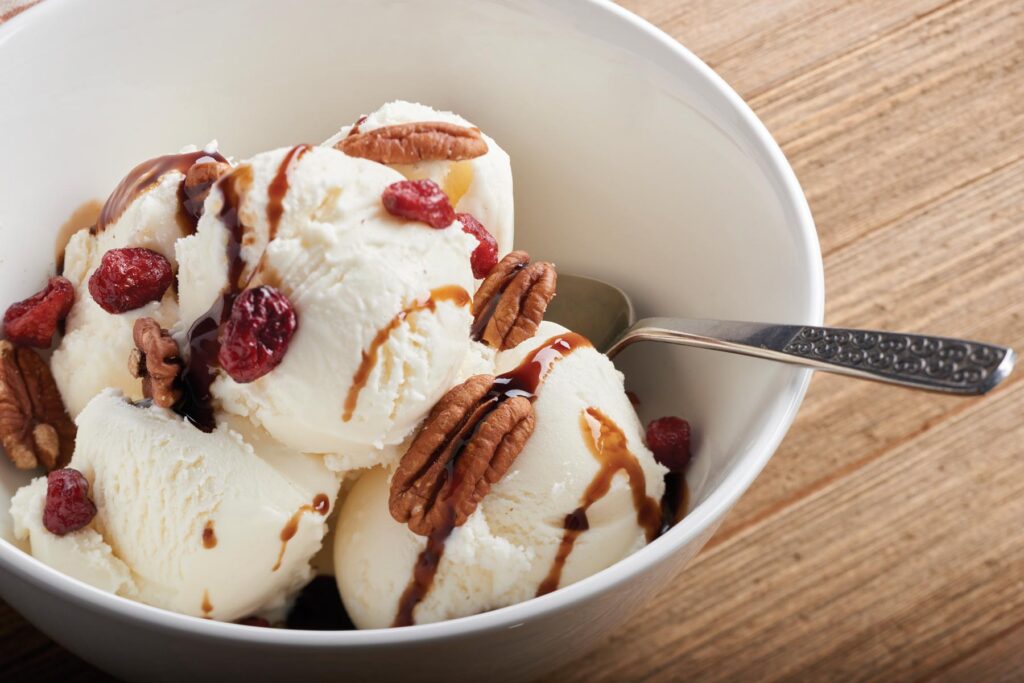
Kreider’s vanilla ice cream topped with crunchy pecans, dried cranberries and a sweet-acidic pecan-praline balsamic. The tartness of chewy dried cranberries, the sweetness and crunch of the pecans and the sharpness of the balsamic vinegar are all complemented by the vanilla ice cream.
Balsamics can enhance salad dressings and can be blended with extra virgin olive oil. For main courses, balsamic vinegars can be added to a dish as a glaze with the sugars caramelizing in the heat, or directly added without cooking for an unaltered flavor. Balsamics can be used to enhance grilled chicken, steak or shrimp, baked salmon, roasted pork and roasted vegetables, along with olive oil, butter, garlic, and herbs. Vanilla ice cream is tasty with fruit and balsamics.
Olio Olive Oils & Balsamics
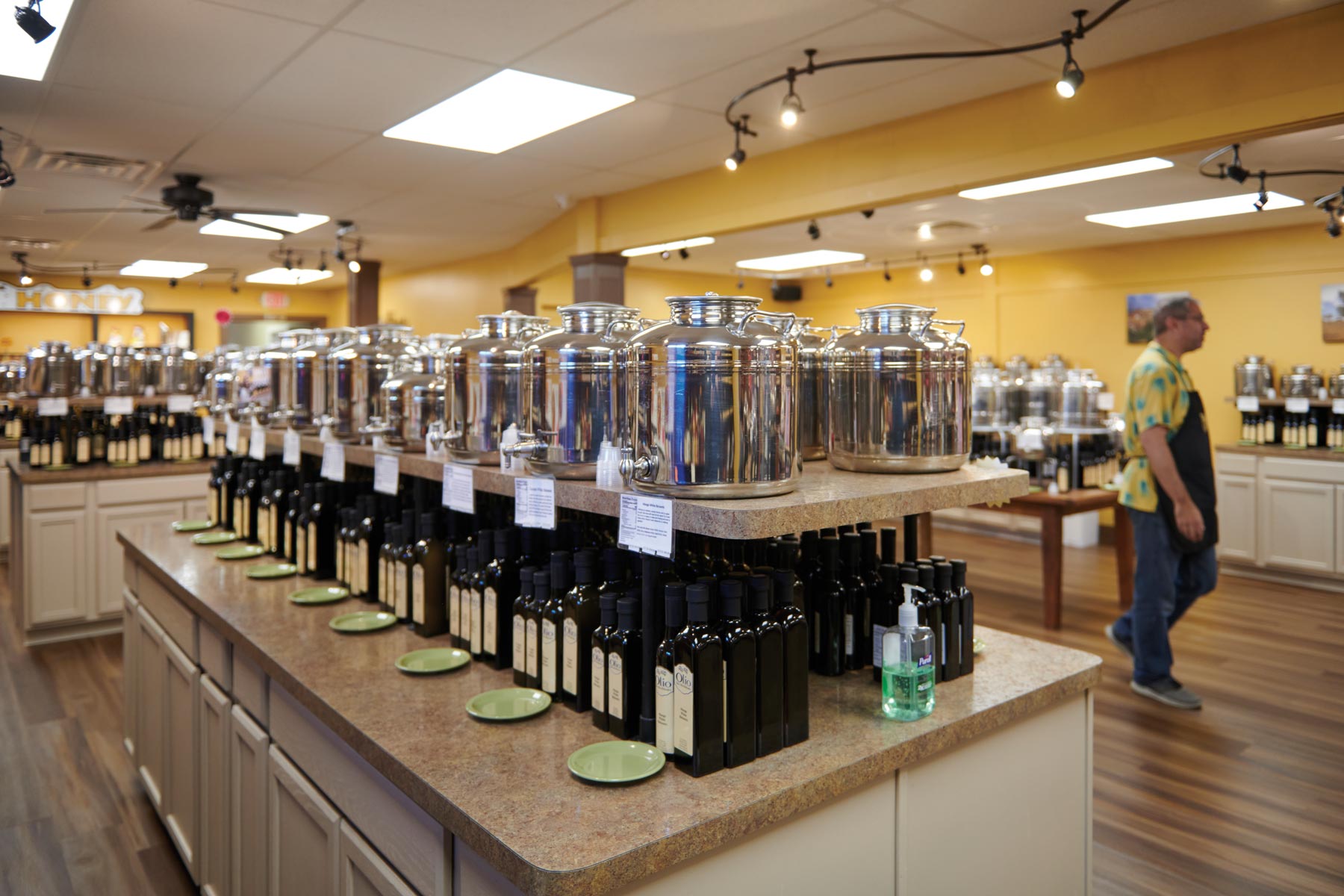
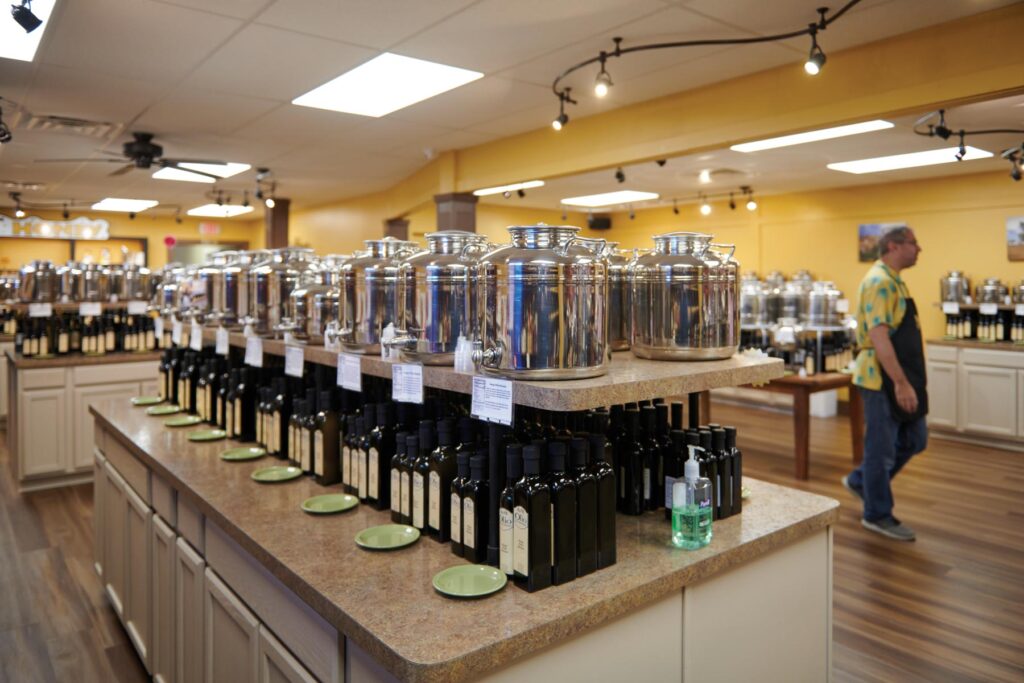
Located in Lititz, Olio Olive Oil & Balsamics is owned by the Desimone family, consisting of Joe, Judy, and their son, Pete. Together they run Olio’s day-to-day business, sourcing and developing relationships with producers in Europe. Upon opening in 2012, Olio offered 32 total products for sale. Since then, they have added 100 more, nearly half of which are balsamics imported from Italy. Their robust selection of olive oils is largely imported from Greece.
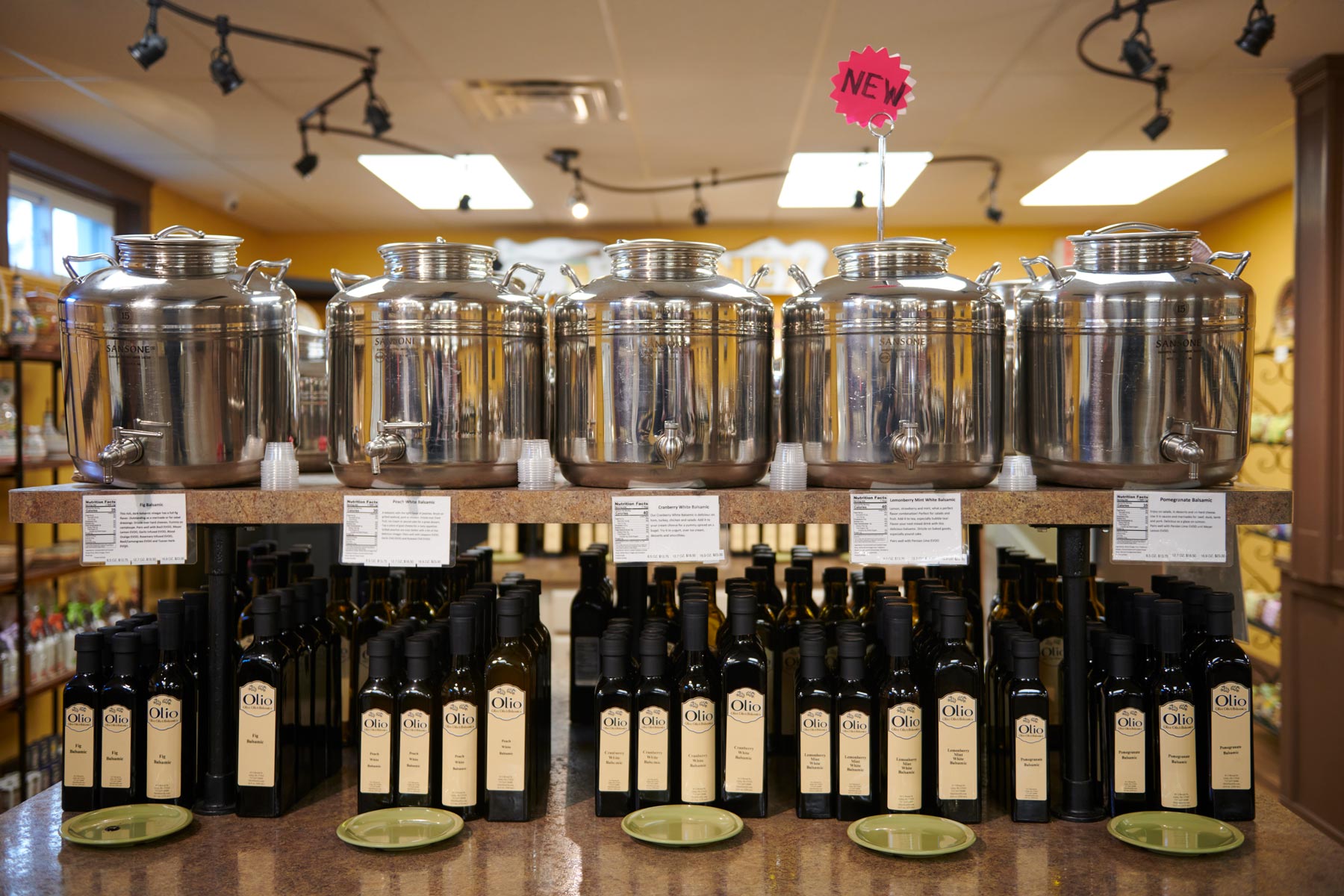
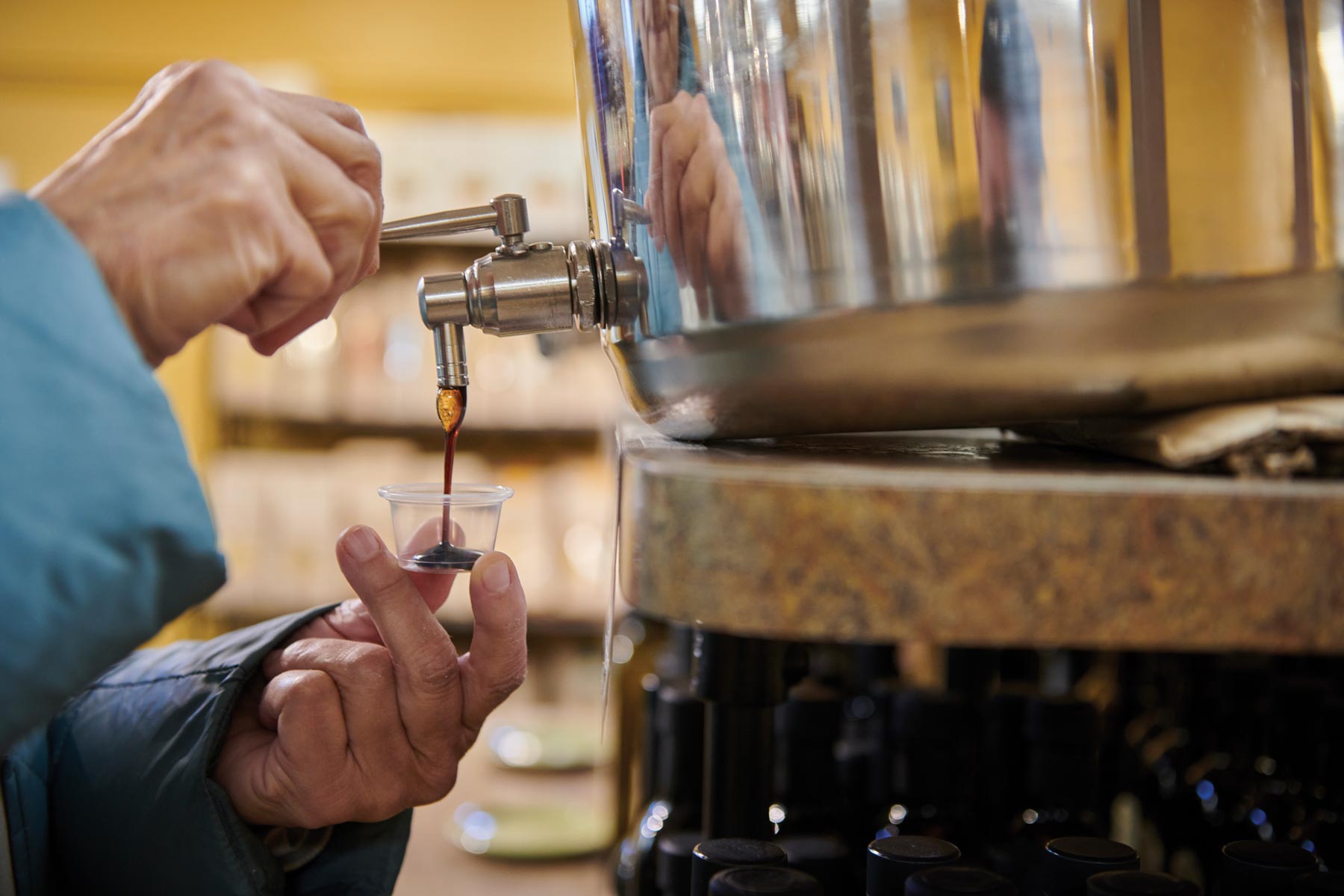
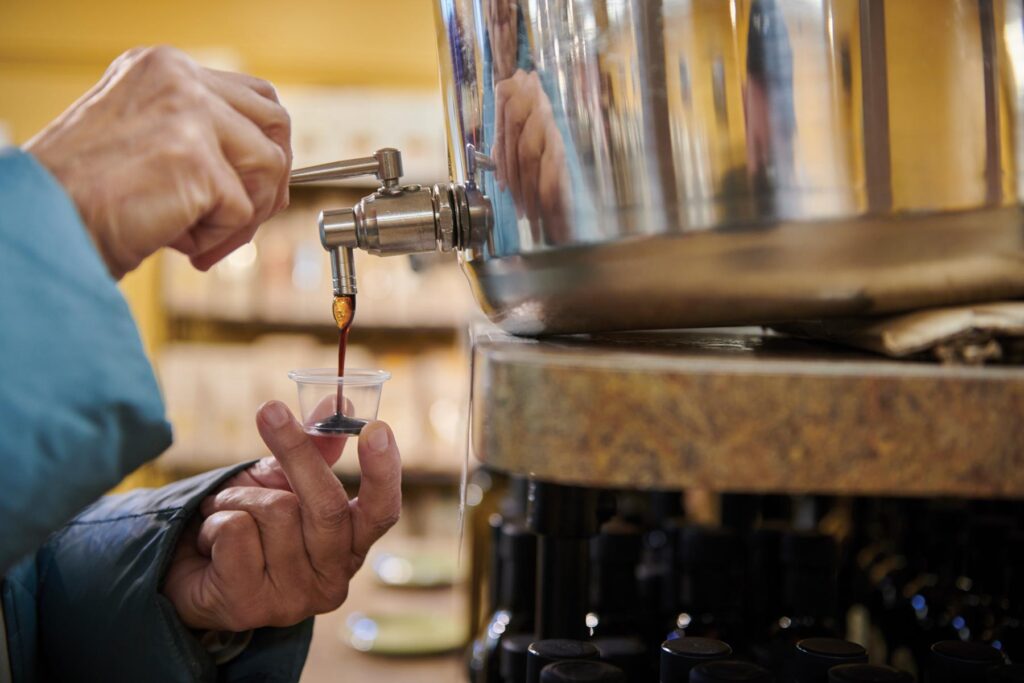
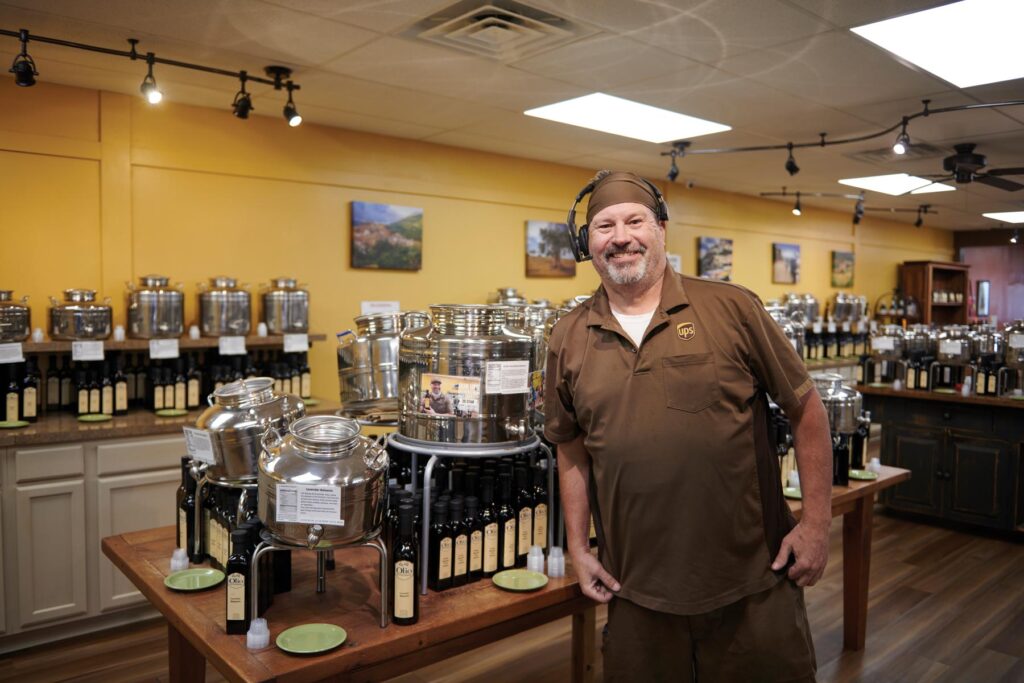
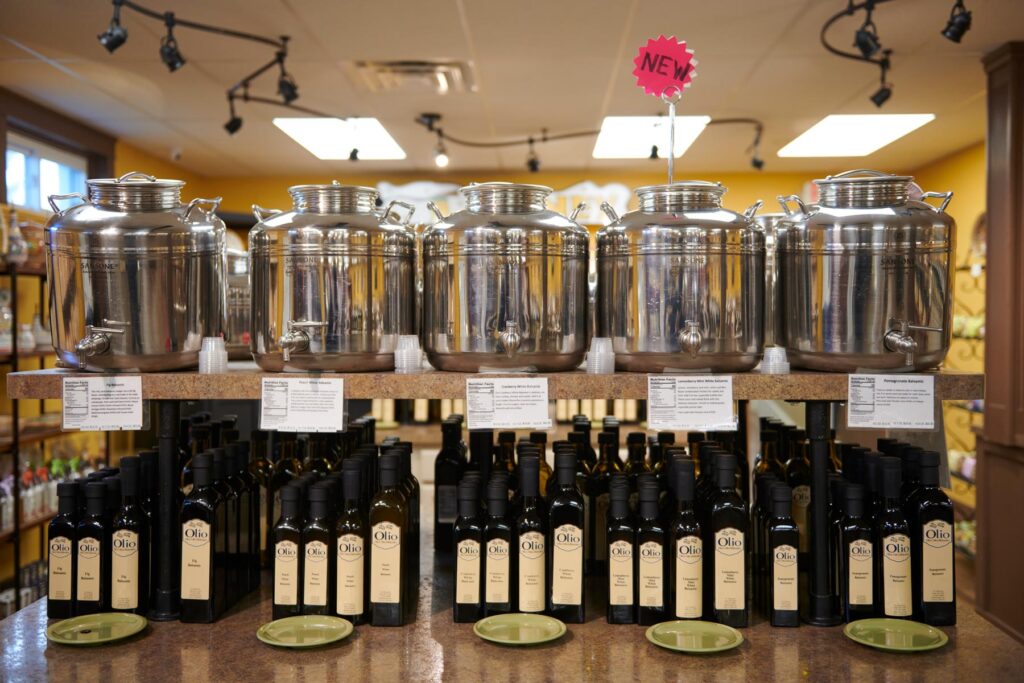
Olio’s balsamic vinegars are aged between eight and 10 years before arriving from Italy, in volumes ranging from 10 to 1,000 liters. “At the 12-year mark, the price goes through the roof,” says Pete. After delivery, each balsamic vinegar and olive oil is decanted into a stainless steel fusti, used for in-store tastings. “Try it before you buy it,” says Pete. “If you don’t like it, you didn’t waste your money.” All bottling and labeling takes place in-house. “Vinegars don’t expire; they don’t need to be refrigerated,” explains Pete.
In a recent collaboration with their supplier, Pete developed a white balsamic vinegar infused with mango and habanero that’s been named Tropical Heat Wave. Mixed with tonic water, the refreshing combination is juicy and tangy, with bright mango aromas, slight acidity and subtle heat on the finish.
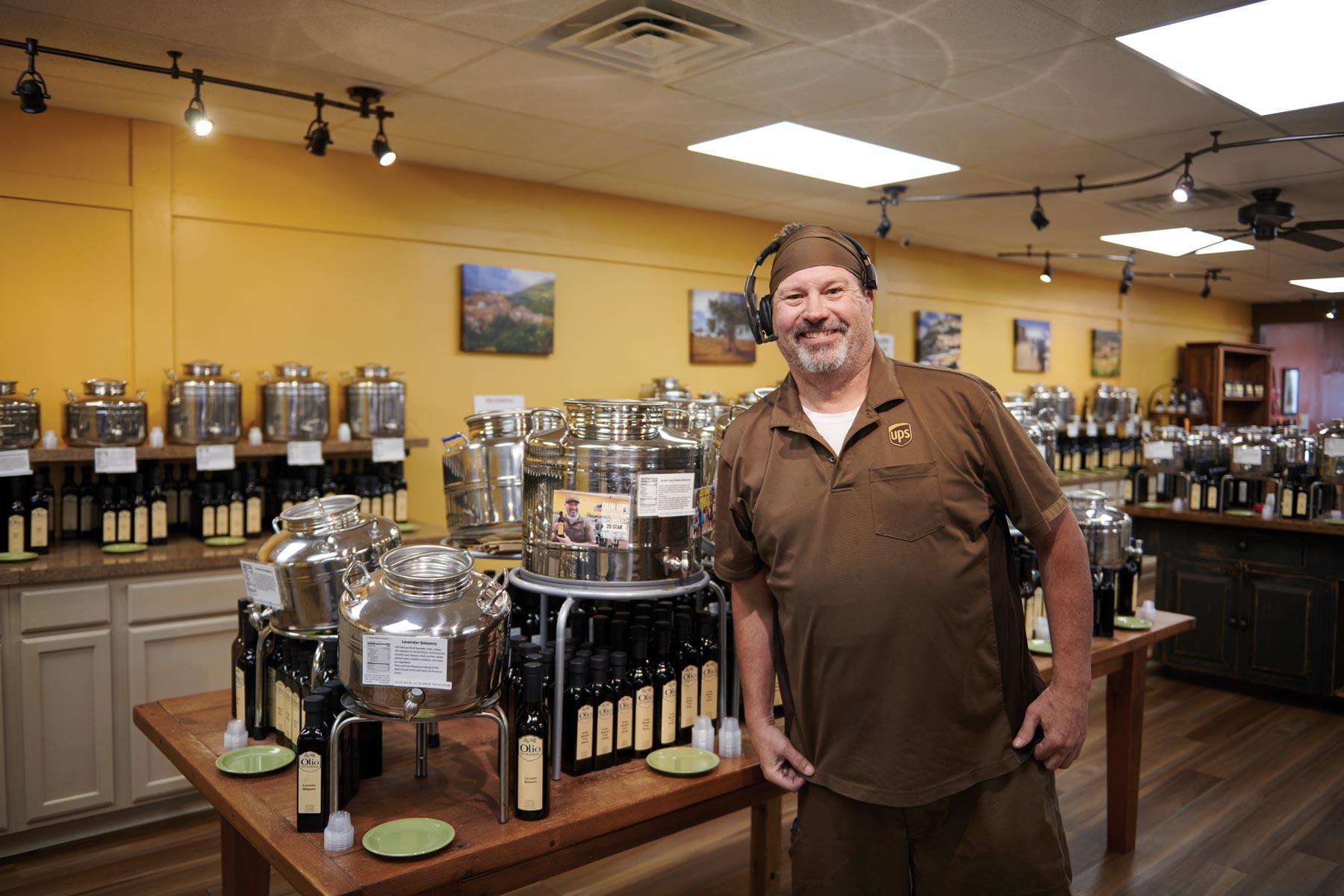
For cooking purposes, their leading balsamic is 25 Star Balsamic from Modena, a traditional dark, aged vinegar. It’s a staple in the kitchen that’s such a hit, it’s endorsed by Olio’s “UPS Delivery Man Mike.” There’s also a white 25 Star White Balsamic that I keep on hand to drizzle over ripe figs from my garden.
For more information, visit OlioOliveOil.com.
What an interesting article. The white balsamic vinegar infused with mango and habanero named Tropical Heat Wave mixed with tonic sounds great to me.
Awesome article and pictures Jordan Bush.
You are very talented.