
If the pandemic taught us anything, it is the fact that connecting to nature is a vital component of our physical and mental wellbeing. As a result, we’ve embraced the outdoors and, from an architectural perspective, are making strides in connecting indoor and outdoor spaces. Work spaces are also reflecting the benefits of bonding with the natural world, and nowhere is that more evident than at Eurofins in Lancaster.
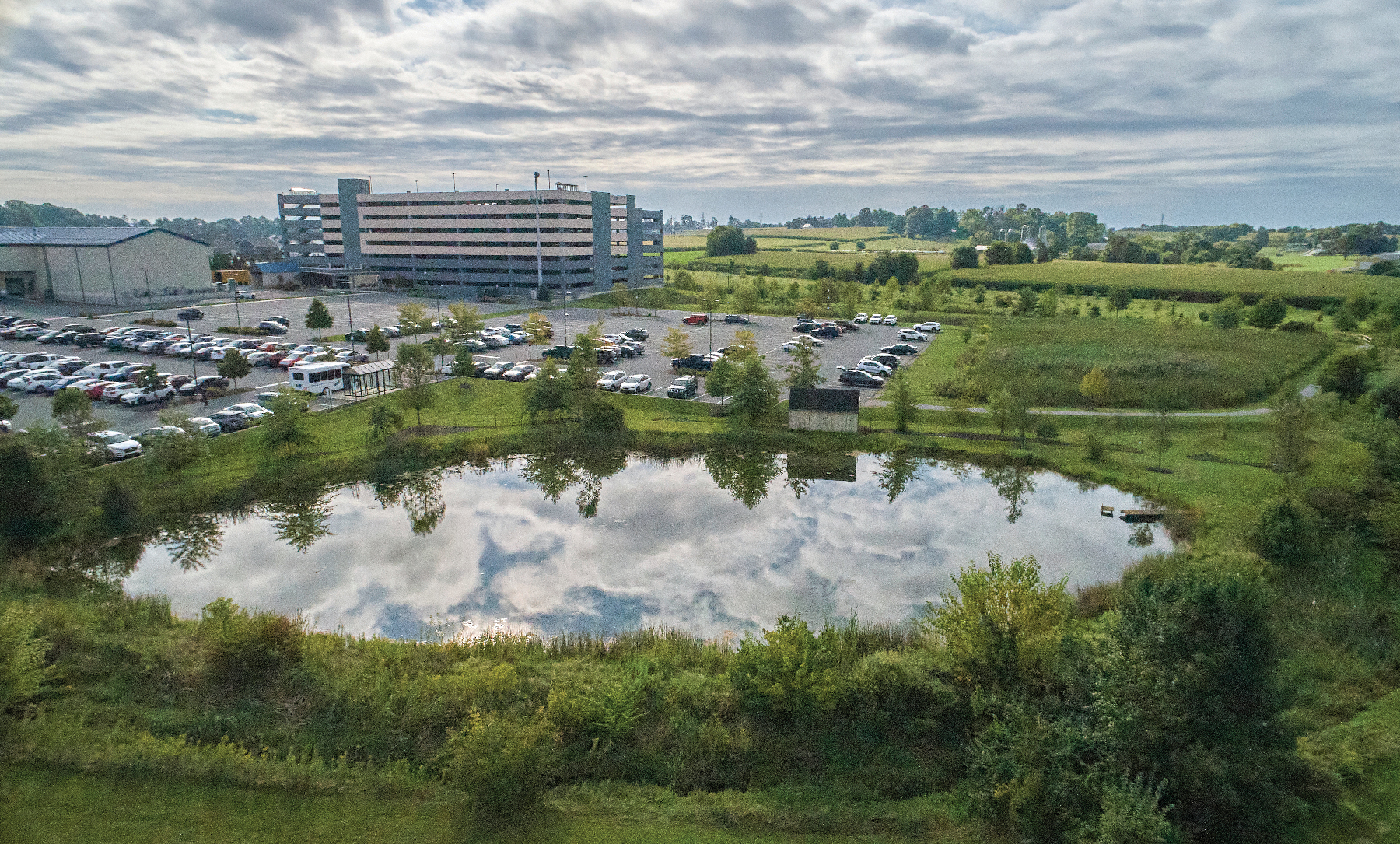
Who would have guessed that a small block building along Route 23 in Lancaster would have an impact on the world? In 1961, Dr. Earl Hess launched Lancaster Laboratories with the goal of providing a top-notch testing facility for the area’s agricultural industry. Since then, the company, which initially had three employees, has merged with larger companies, adding environmental, food, clinical, medical device and biopharmaceutical testing to its services.
Fifteen years ago, the company was acquired by Belgium-based Eurofins Scientific S.E. Ironically, Eurofins, which was founded in 1987, also began with a workforce of three employees and one laboratory. The company’s focus was also initially related to agriculture, i.e. wine, in that that the goal (per Eurofins’ website), was “to market a patented analytical method used to verify the origin and purity of several types of food and beverages and identify sophisticated fraud not detectable by other methods.”
What a difference nearly 40 years make. Today, Eurofins is a leading provider of testing and analytical services, boasting an international network of more than 950-plus laboratories in 60 countries, equating to more than 65,000 employees, a portfolio of over 200,000 analytical methods and more than 450 million tests performed annually.
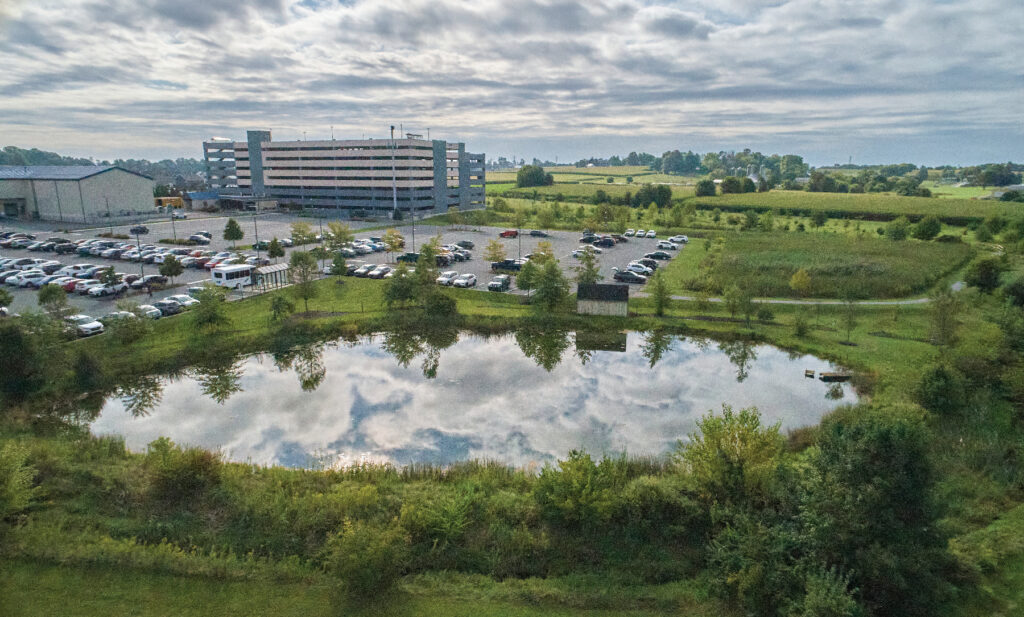
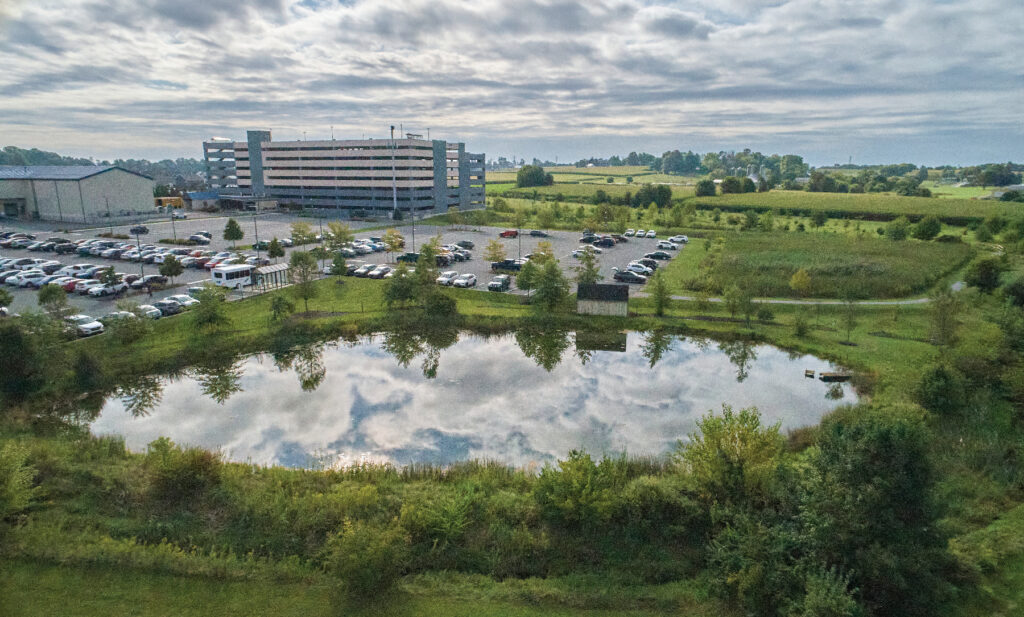
Lancaster Labs’ original 2,500 square-foot block building has grown significantly over the years with the addition of multiple modern, multi-story structures. The now-57-acre campus has also expanded across Route 23; the latest additions being a five-story office and laboratory building (2019), followed by a multi-level parking garage. Eurofins’ future was unveiled in December, when Gov. Josh Shapiro and other state officials visited the company’s Lancaster site to announce that the campus will grow once more with the addition of a new 300,000 square-foot testing facility, which is projected to add 250 jobs to the just under 3,000 that already exist by the end of the decade. The new building will be the largest such facility within the Eurofins’ network.
Beyond the Buildings
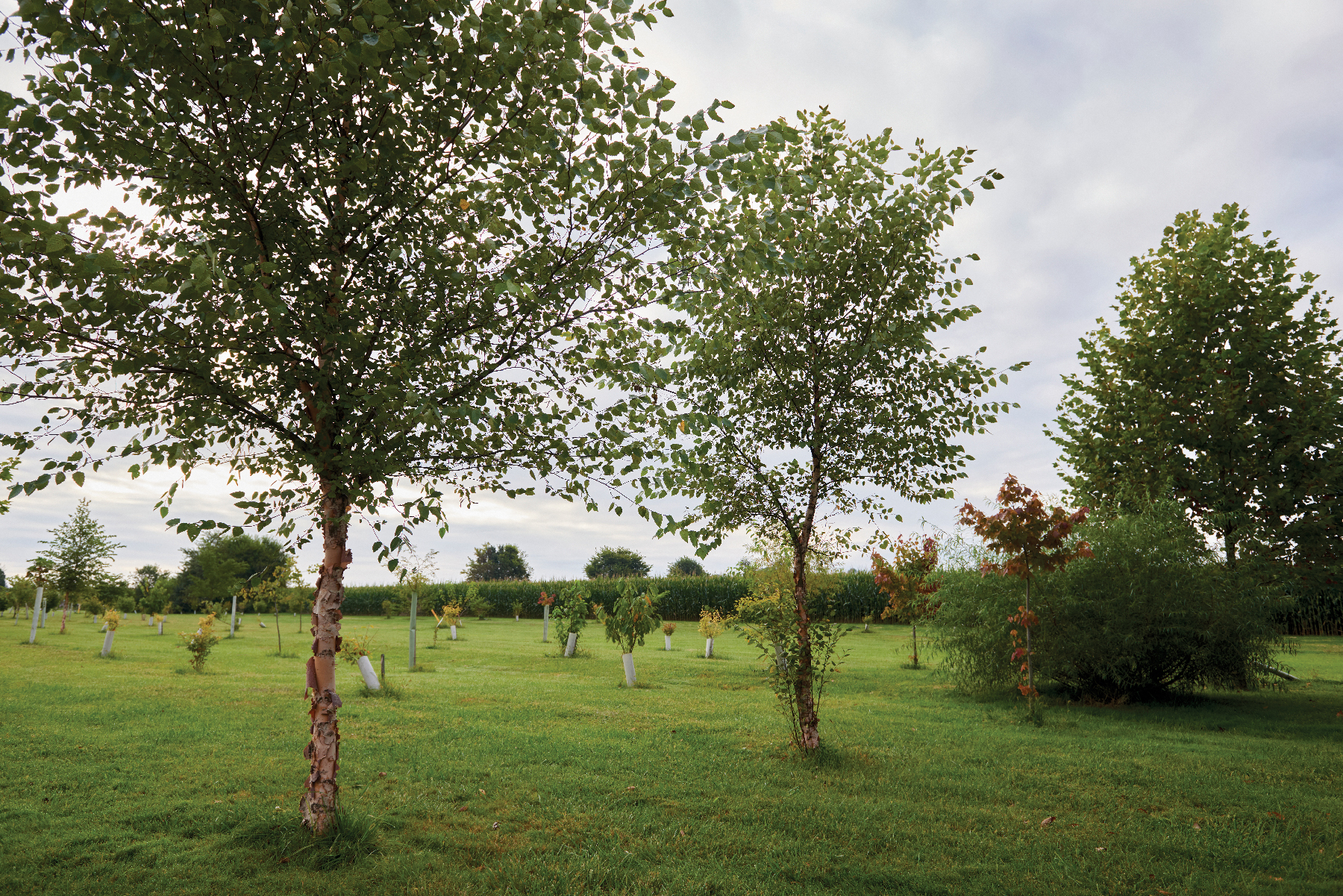
What sets the Eurofins campus apart is its emphasis on sustainability and making green living (or in this case, working) an integral part of the corporate environment. Because the Lancaster campus is owned by Eurofins, it has been much easier to implement the green and blue infrastructures that continue to grow and evolve.
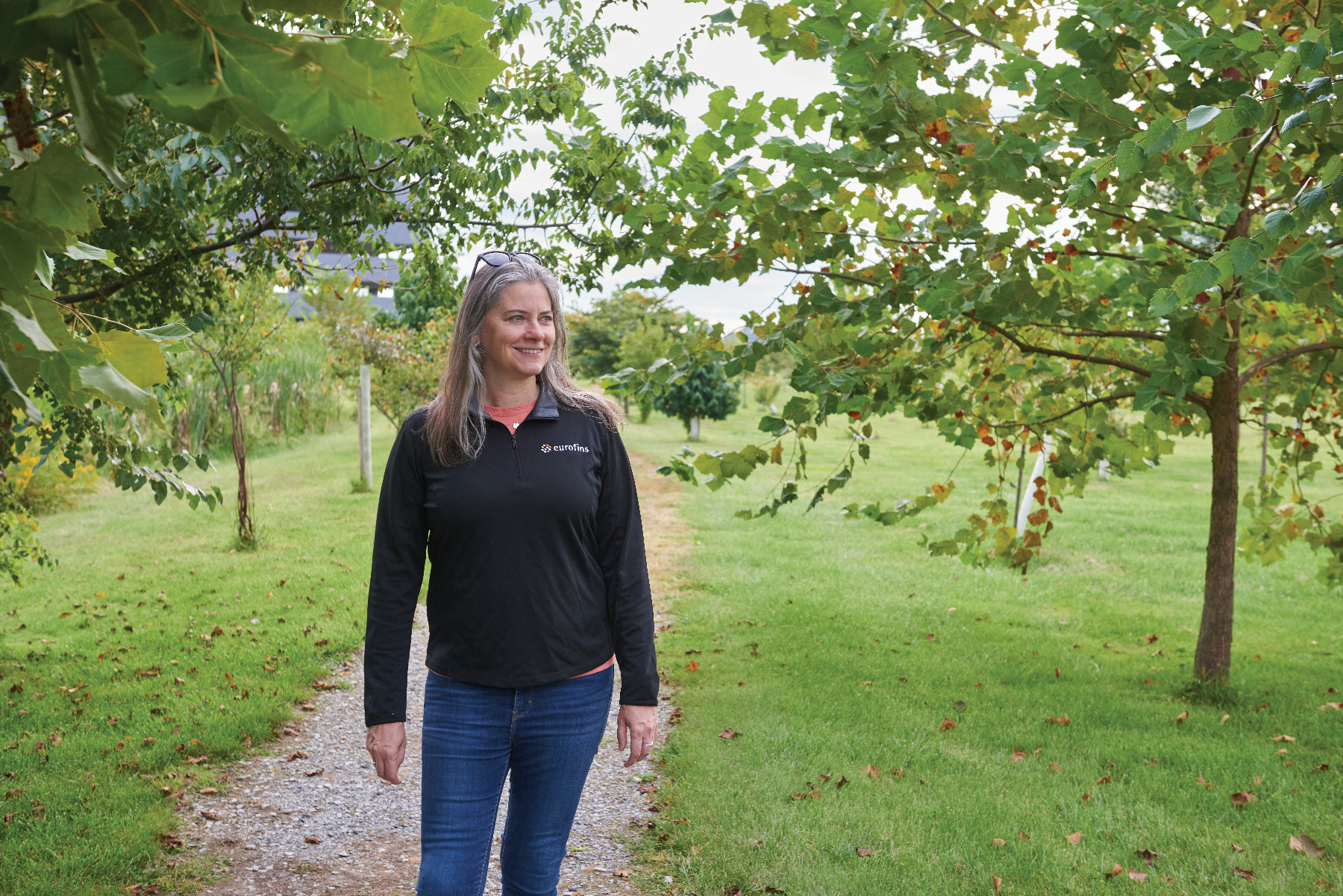
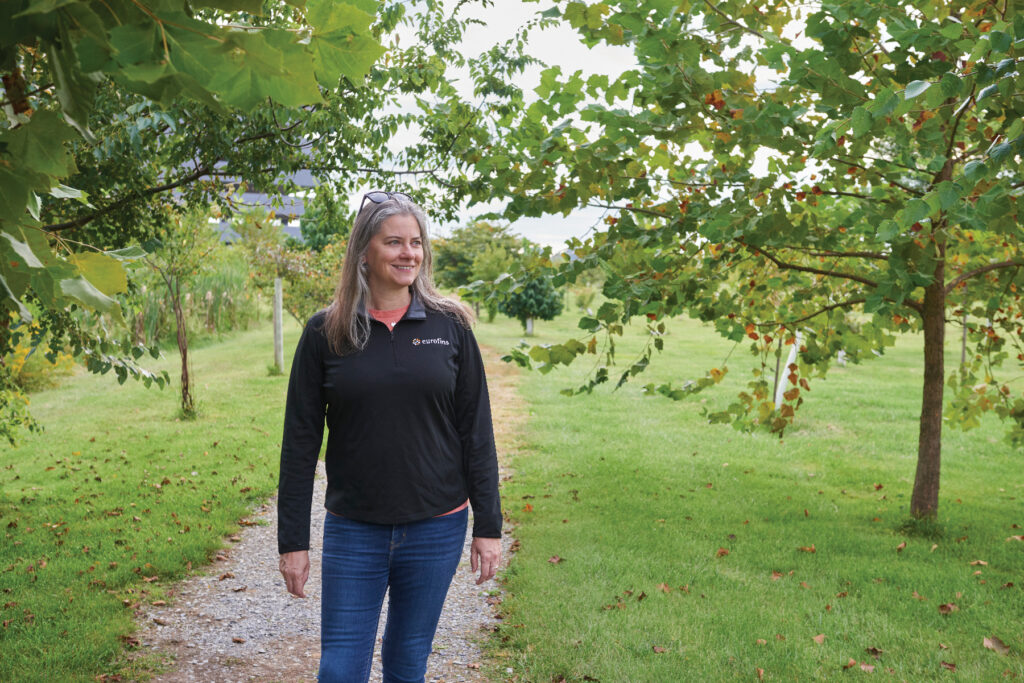
Christina Leslie, the senior director of corporate sustainability at Eurofins’ Lancaster campus, also serves as an ambassador for the green direction the company is committed to embracing. Always a nature lover, the Gettysburg native graduated from Millersville University with a degree in biology and environmental science. Describing herself as “passionate about environmental issues,” she started her career in a roundabout way by becoming a testing chemist at Lancaster Labs. Her environmental interests were addressed through becoming a founding member of the company’s Green Team.
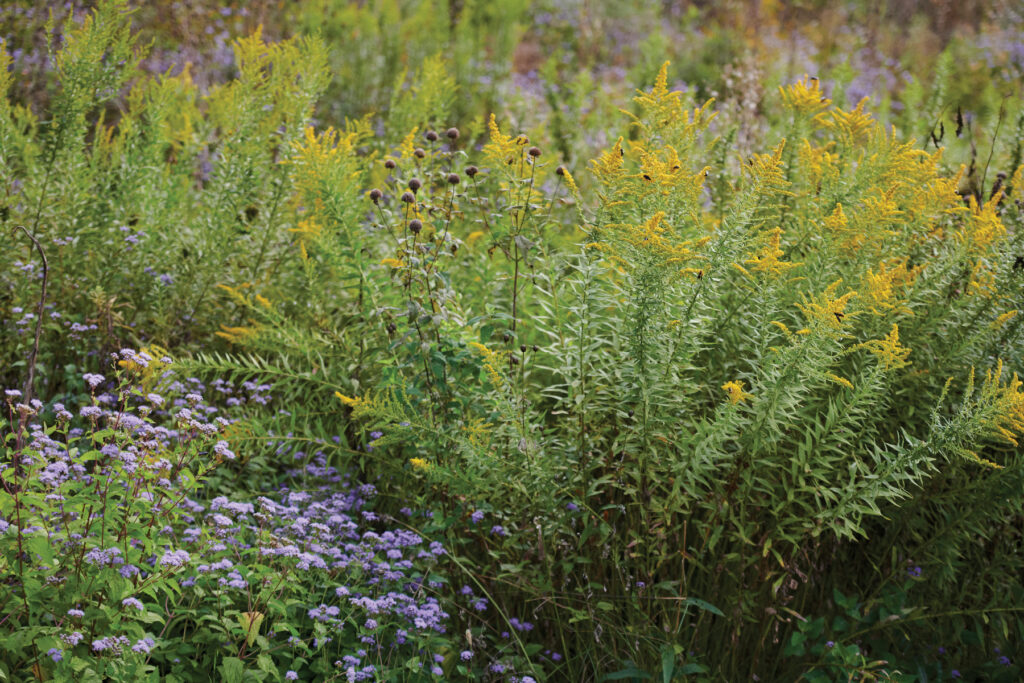
Beginning with a recycling program, Eurofins’ green programs have expanded to include prioritizing Energy Star-rated instruments and equipment, converting to LED lighting (“We operate 24 hours a days,” she points out of the need to be energy efficient), creating a rain-capturing system through which more than 1 million gallons of water are recycled each year, adding 18 EV charging stations to the complex, building a fleet of EV shuttle buses and developing landscape plans that are native based and protect the environment. “Our effort to transform the landscape using native plants is one of the things we are most proud of,” Christina says.
Fortunately for Eurofins, the Green Team’s efforts paid dividends from the outstart. By 2014, sustainability had become a corporate priority, thus impacting Eurofins’ network of companies. “Our largest customers began requesting that questions about sustainability be answered,” Christina recalls. The Lancaster campus essentially became a lab of another sort, as more sustainability practices were put to the test. It prompted the establishment of a Sustainability Report that is now published annually. Being ahead of the curve turned out to be an advantage for the Eurofins Lancaster site. “By 2021, we were seeing regulations become more stringent, especially in Europe,” she says. “What we were doing here set a standard for other locations.”
The Power of Plants
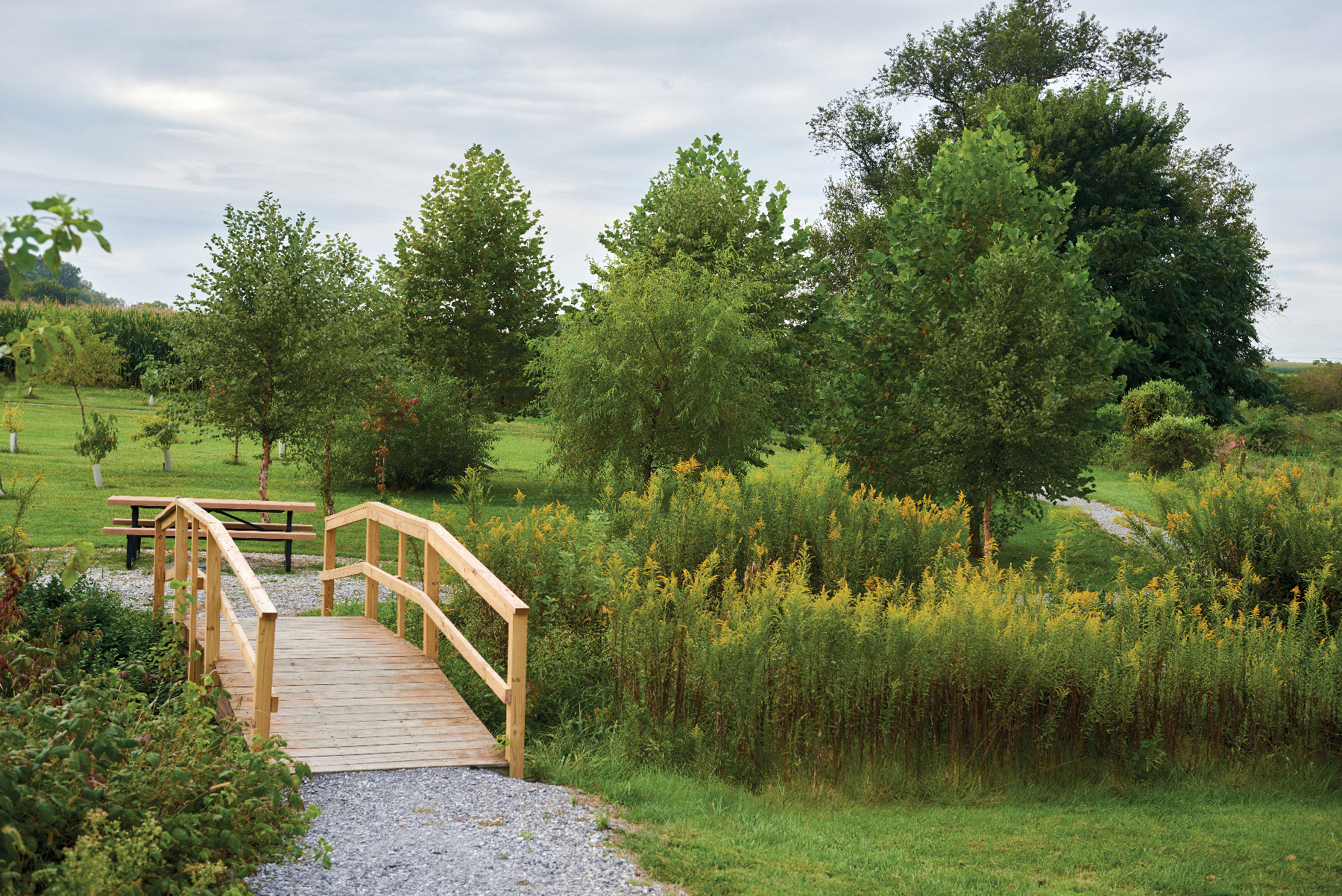
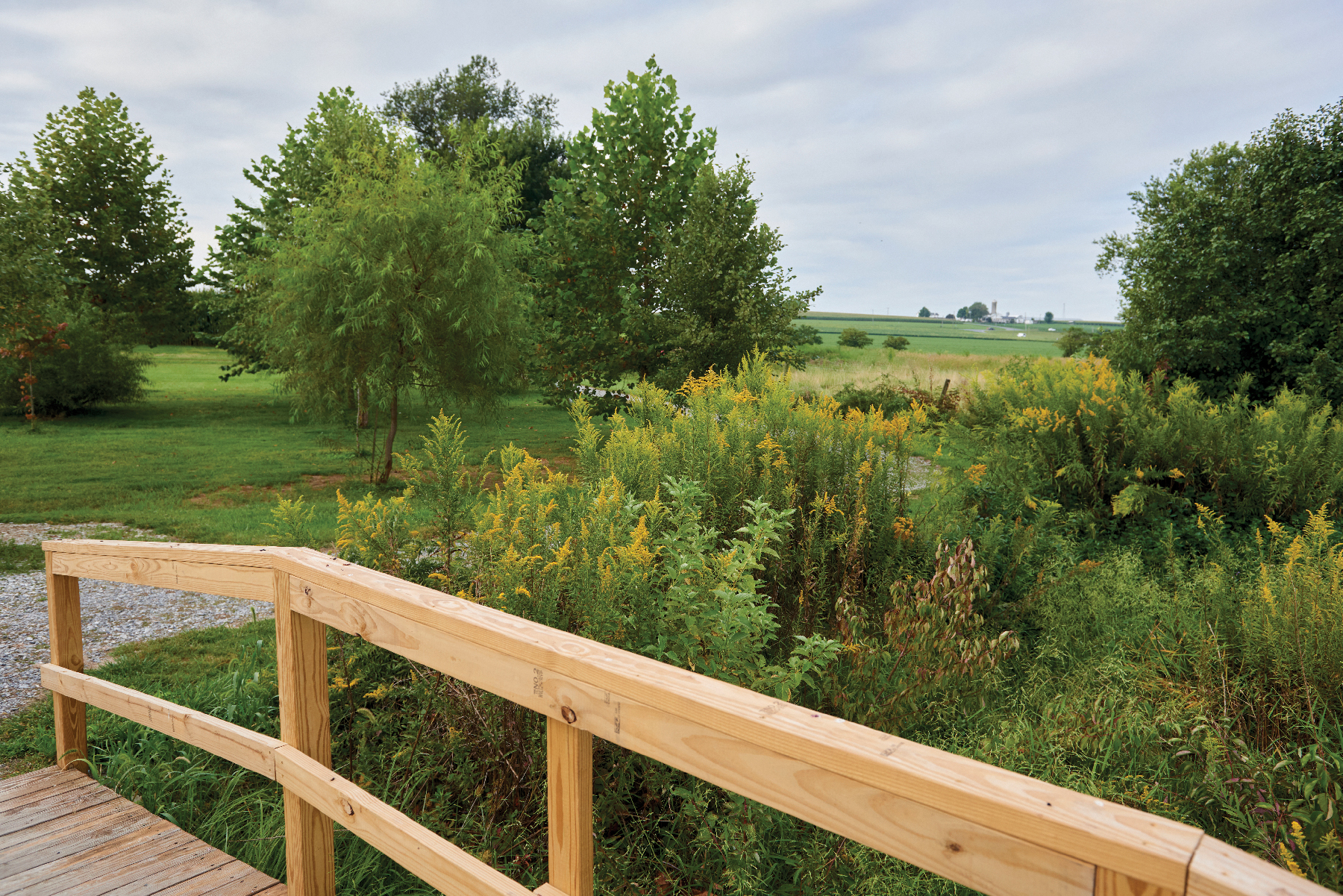
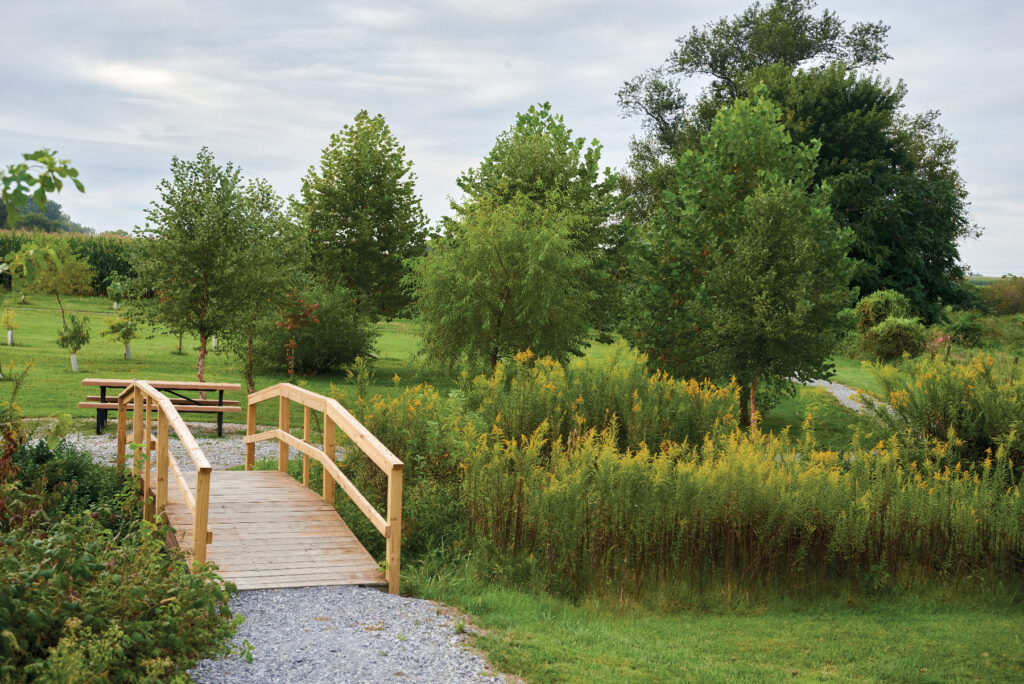
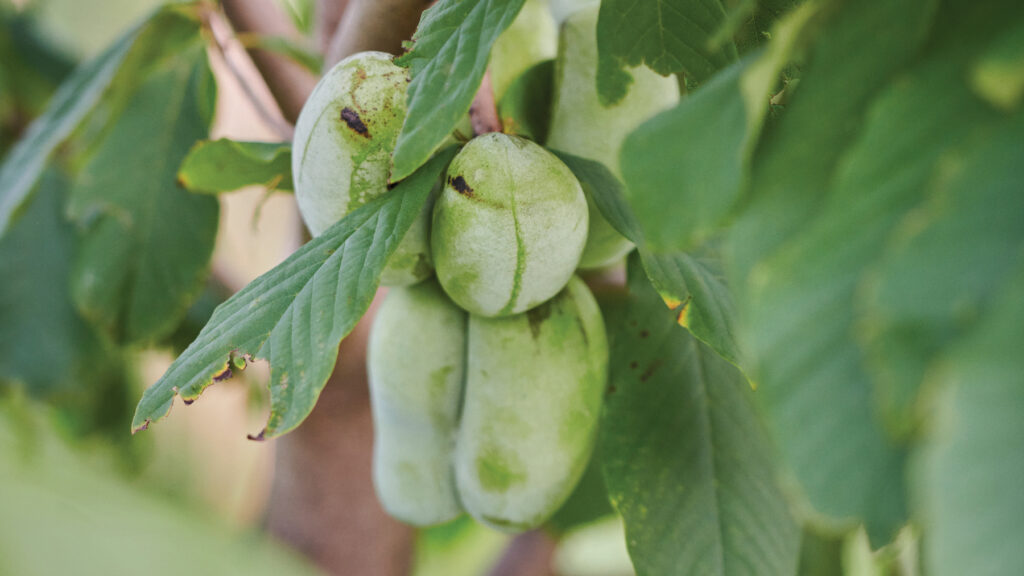
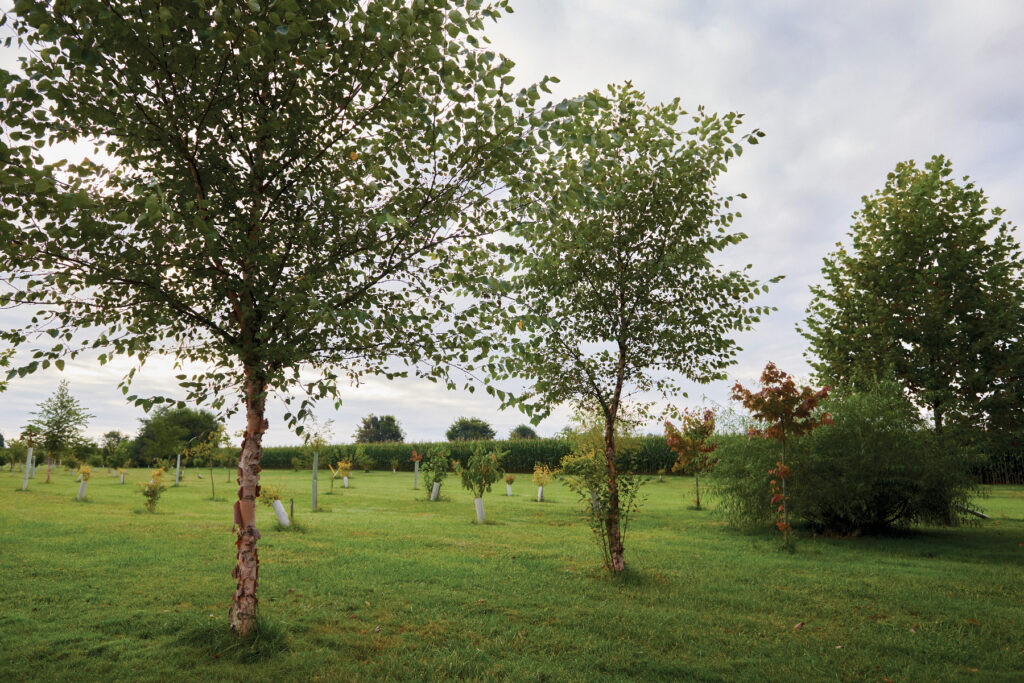
Partners such as the Alliance for the Chesapeake Bay, Lancaster Conservancy and other environmentally conscious organizations provided assistance to the Eurofins team as they set out to create a green working environment. The first major project was carried out in 2019, when the Alliance offered its assistance to create a riparian forest buffer on the southern edge of campus. Planted with more than 1,000 trees and shrubs that are native to Pennsylvania, the seven-acre expanse is bordered by a small stream that ultimately feeds into the Chesapeake Bay. “Employees volunteered to help plant the trees,” Christina says of the challenging job. “The survival rate was great,” she adds of the forest in the making.
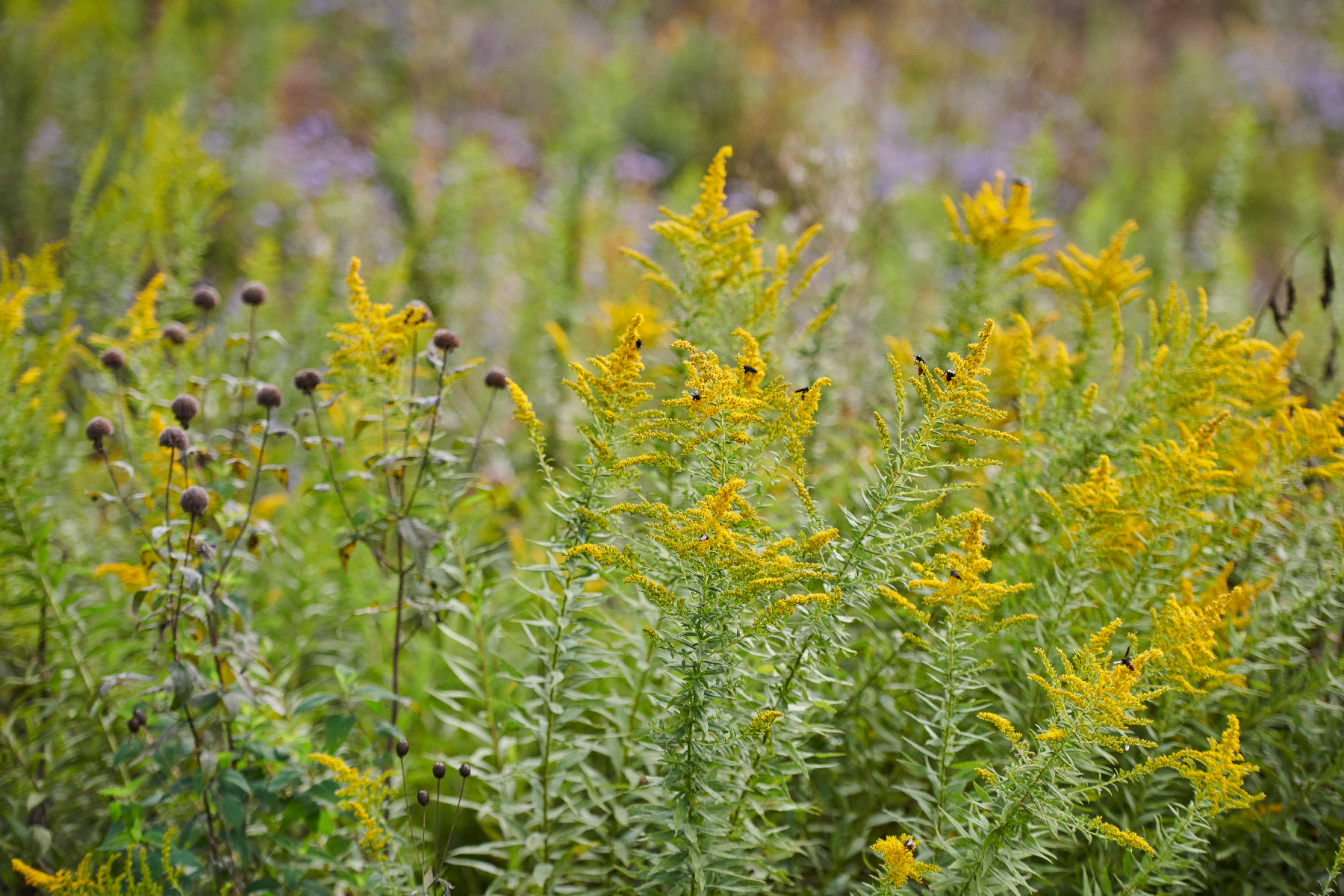
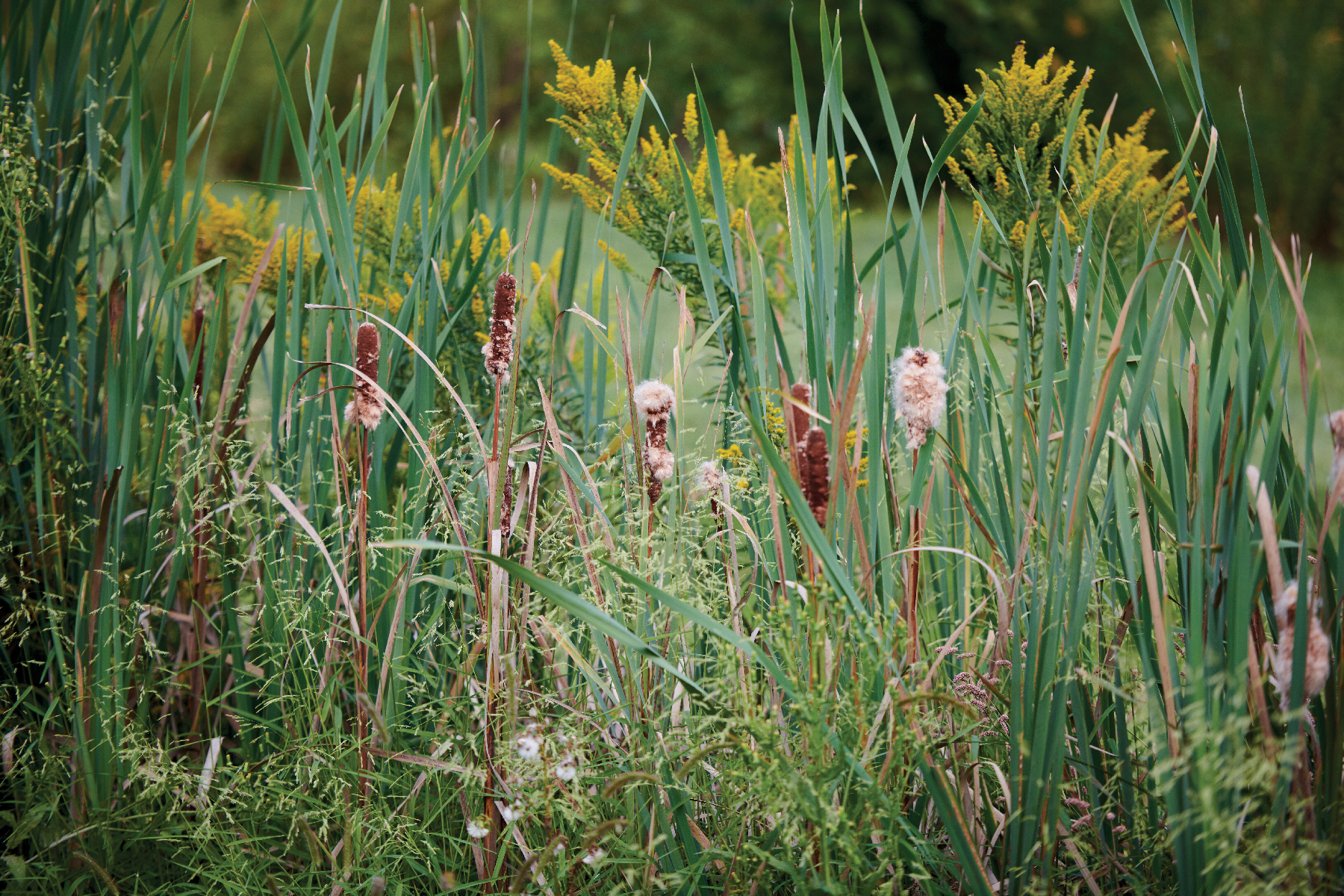
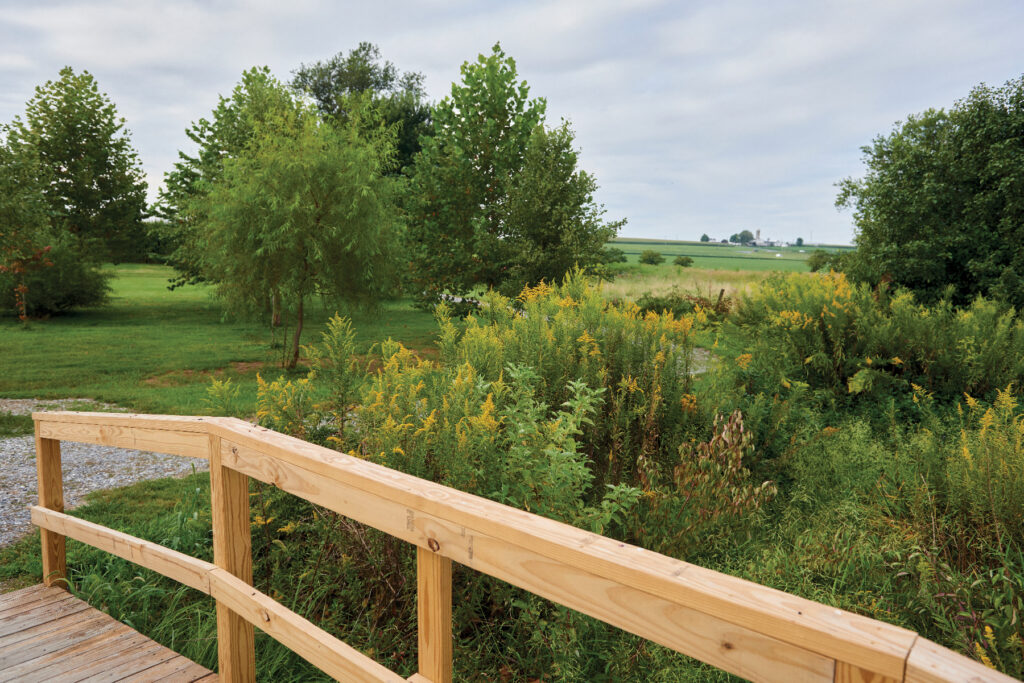
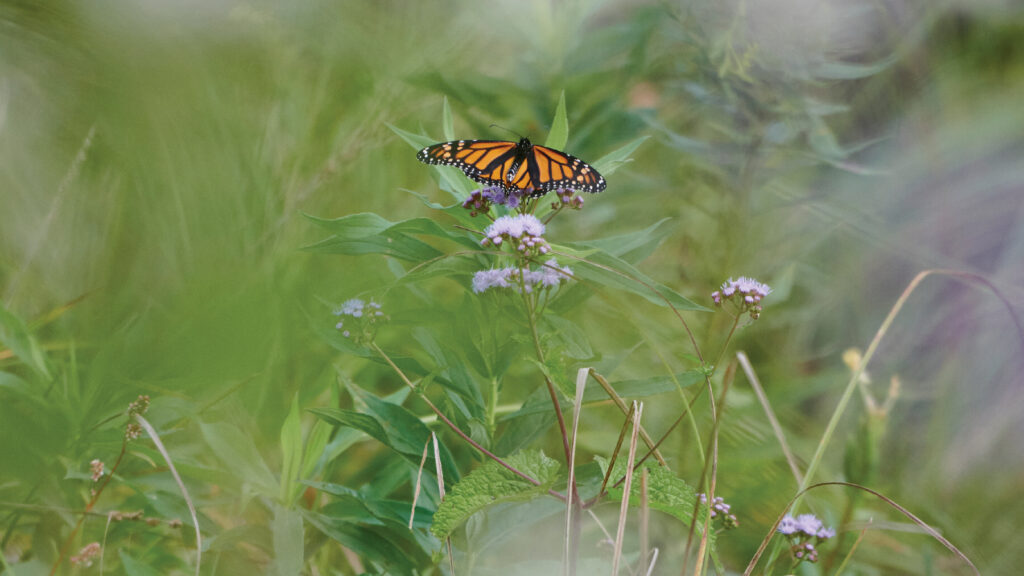
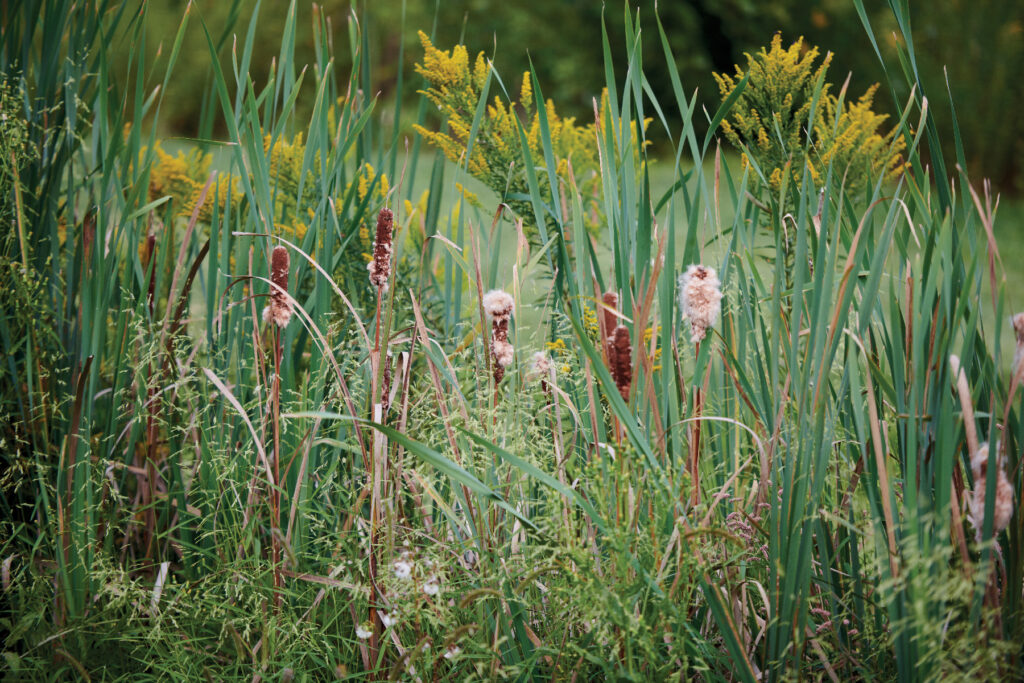
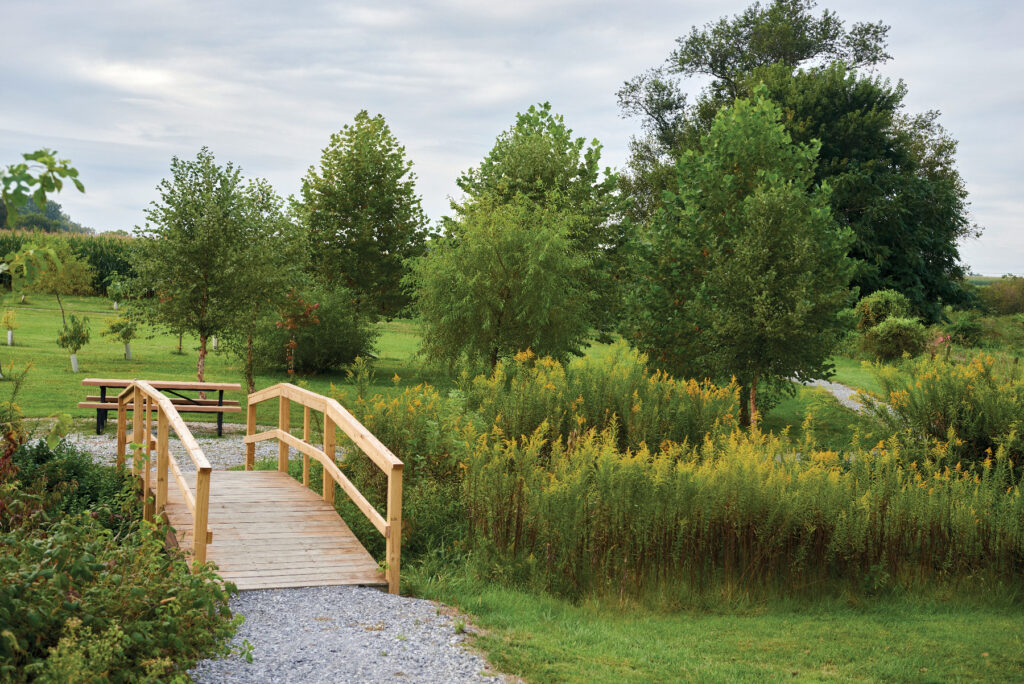
On the other side of the stream, a wetlands habitat attracts birds, wildlife and insects, as does a nearby spring-fed pond. According to Christina, the pond had always existed. Eurofins cleaned it up and added new native plantings, again making it a magnet for herons and other creatures. The three areas are interconnected by a walking trail that sees plenty of use, not only by employees but also by residents of the adjoining neighborhood who have access to it. “That trail is always busy,” Christina reports. The presence of dog walkers is testament that residents who live nearby are indeed utilizing it.
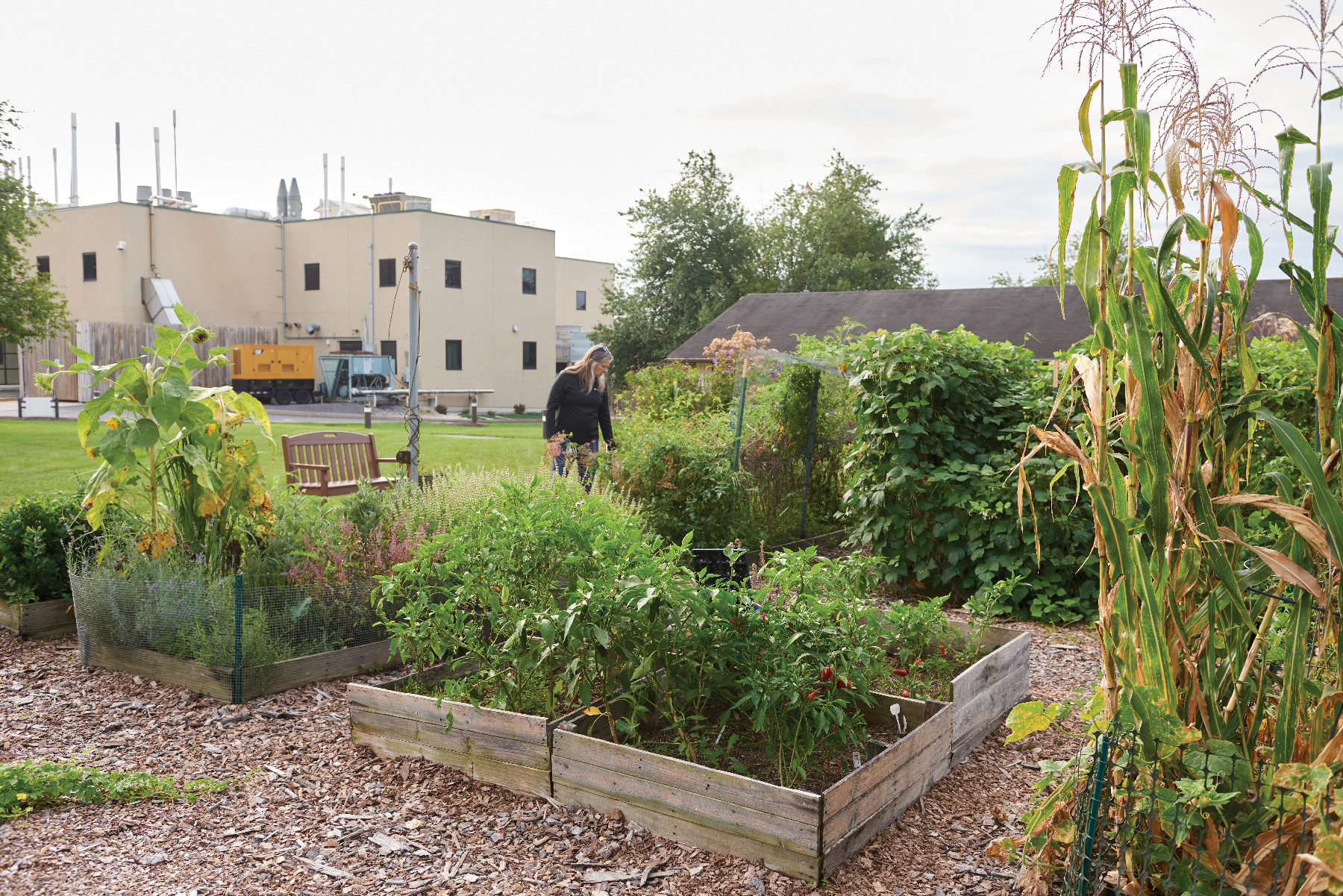
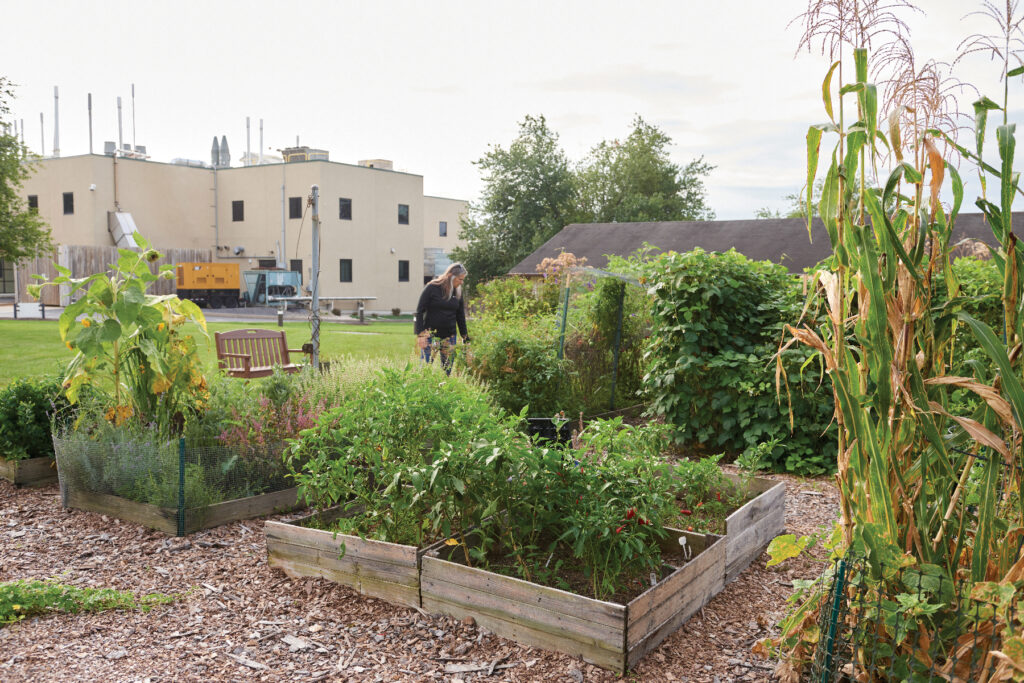
The original part of campus has also benefited from greening practices. A company garden was launched in 2010 by Eurofins’ Garden Club, whose members tend to all aspects of the growing season and have first dibs for the vegetables and herbs that grow in the plots. Christina reports that excess produce occasionally finds its way to the company cafeteria, where the cooking staff devises ways to add it to the menu. The area is also home to a pollinator garden that is abuzz with bees and other insects. As the gardens are now more than 15 years old, plans are being discussed to remodel the space. “We’d really like to replace the plots with raised bed gardens,” says Christina. “We are aiming for 2027 to make that happen.”
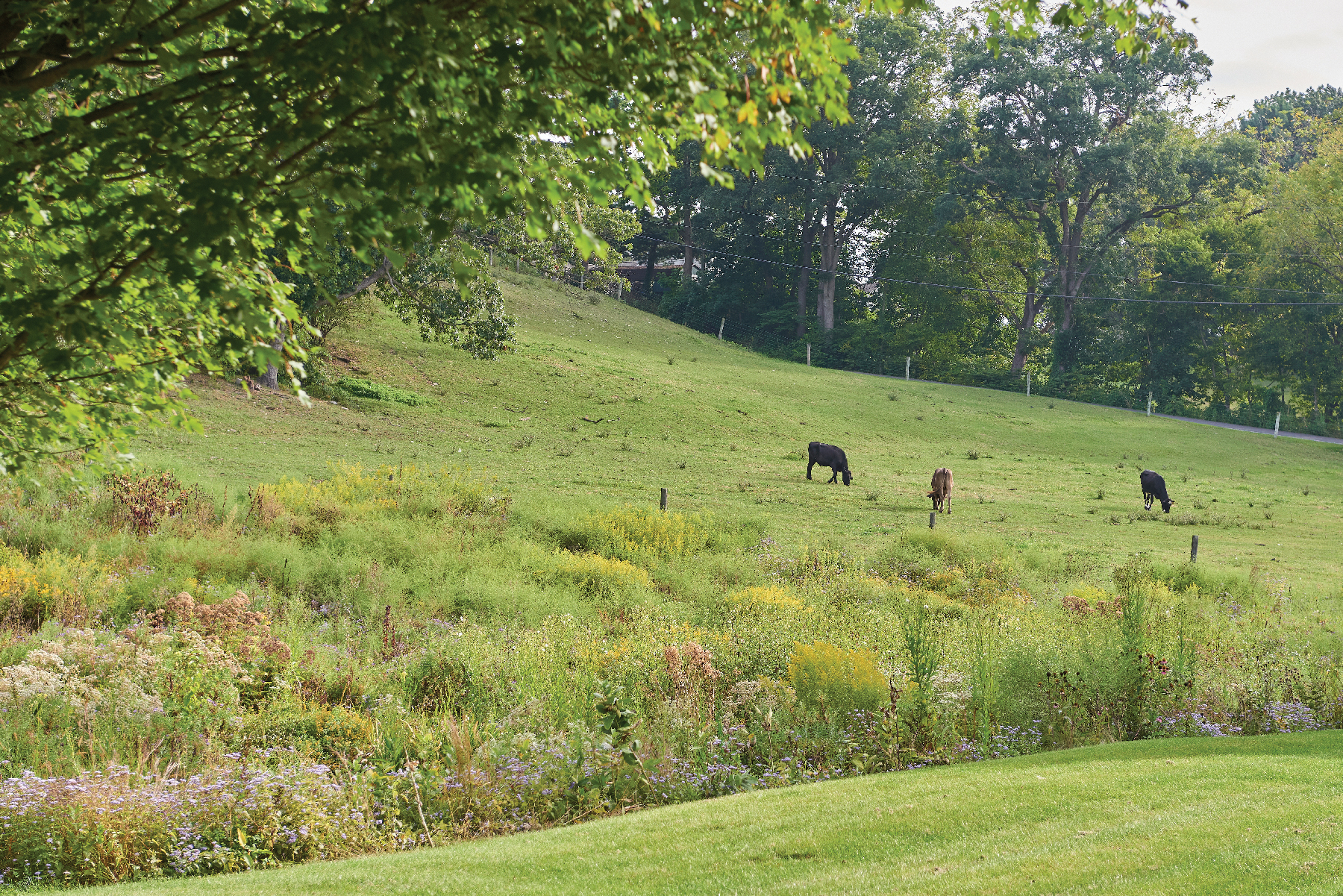
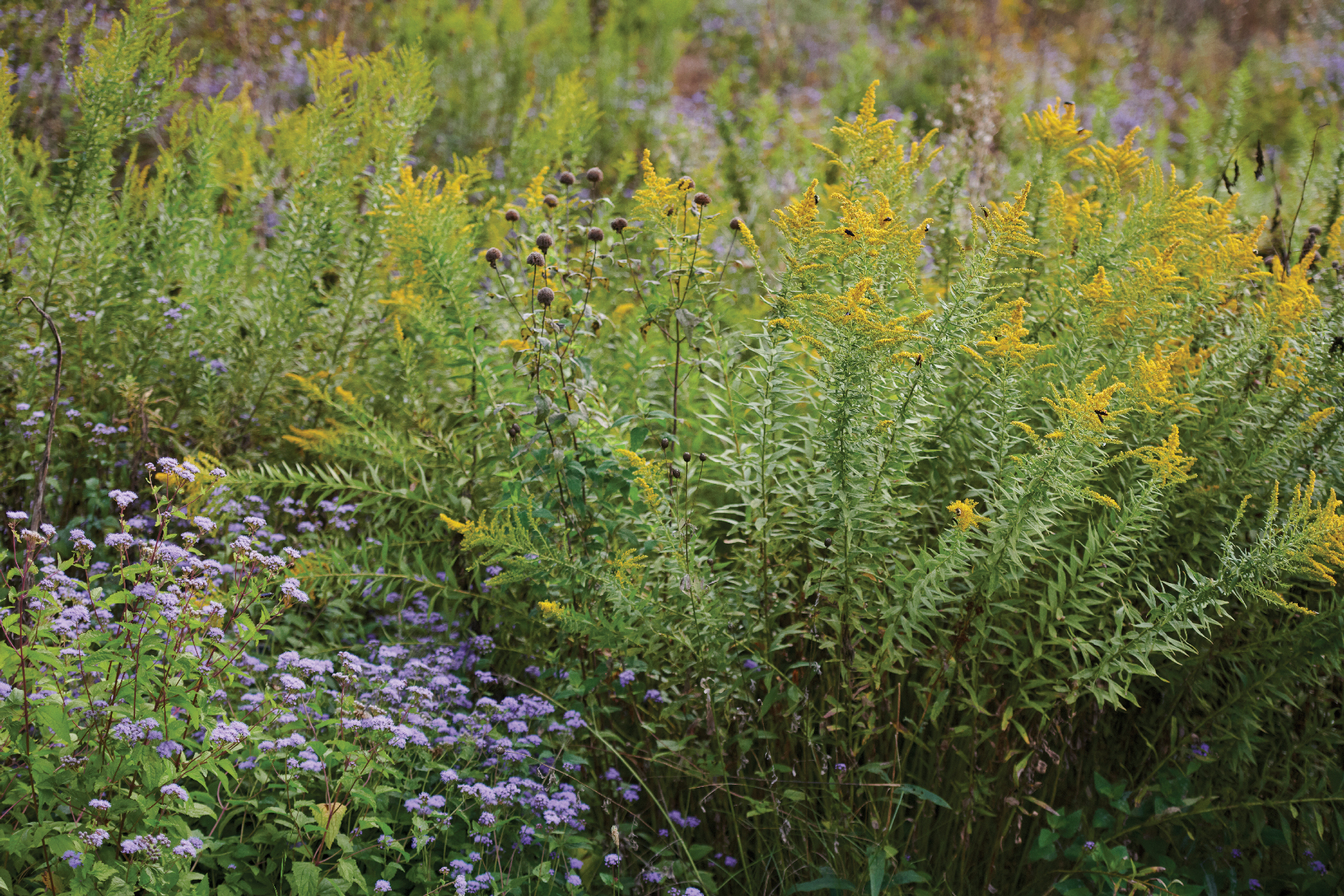
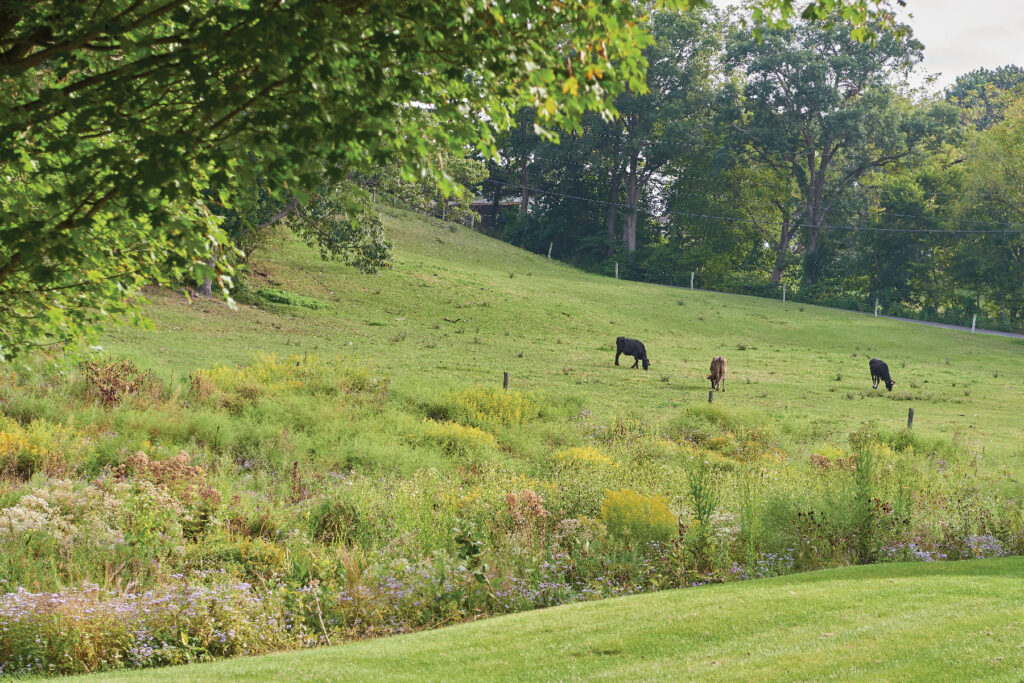
Across the drive is a scene that is pure Lancaster County. Cows and horses graze on a hillside that once was grounded by a drainage ditch that created an ecological problem. Stormwater runoff would make its way down the hillside (collecting pollutants), spill into the ditch and then flow into the stormwater drainage system, ultimately traveling through tributaries before reaching the Chesapeake Bay. The idea of remedying the situation with a rain garden materialized. In 2020, Eurofins partnered with Land Studies, Inc. in Lititz, to carry out the project that encompasses more than 12,500 square feet. Again, the area is filled with native plants that act as filters, thus adding a line of defense for the area’s tributaries.
A Learning Environment
Christina is also proud of the fact that Eurofins’ efforts have become “educational platforms” that demonstrate the importance of protecting and restoring lands, which in turn provides a safety net for waterways and wildlife. In an effort to provide hands-on education, Eurofins has forged educational partnerships with Millersville University, Franklin & Marshall College, the North Museum of Science and Nature and the Lancaster Science Factory. Job-shadowing programs are also made available. “We have Science Volunteers at the Science Factory averaging once a month,” she says. As for F&M, Eurofins is partnering with the college to perform a Bio Blitz that will ID the birds and mammals that are observed visiting the green spaces on campus. “That was last done with Millersville University in 2019, so we’re excited to see the difference seven years have made,” she says.
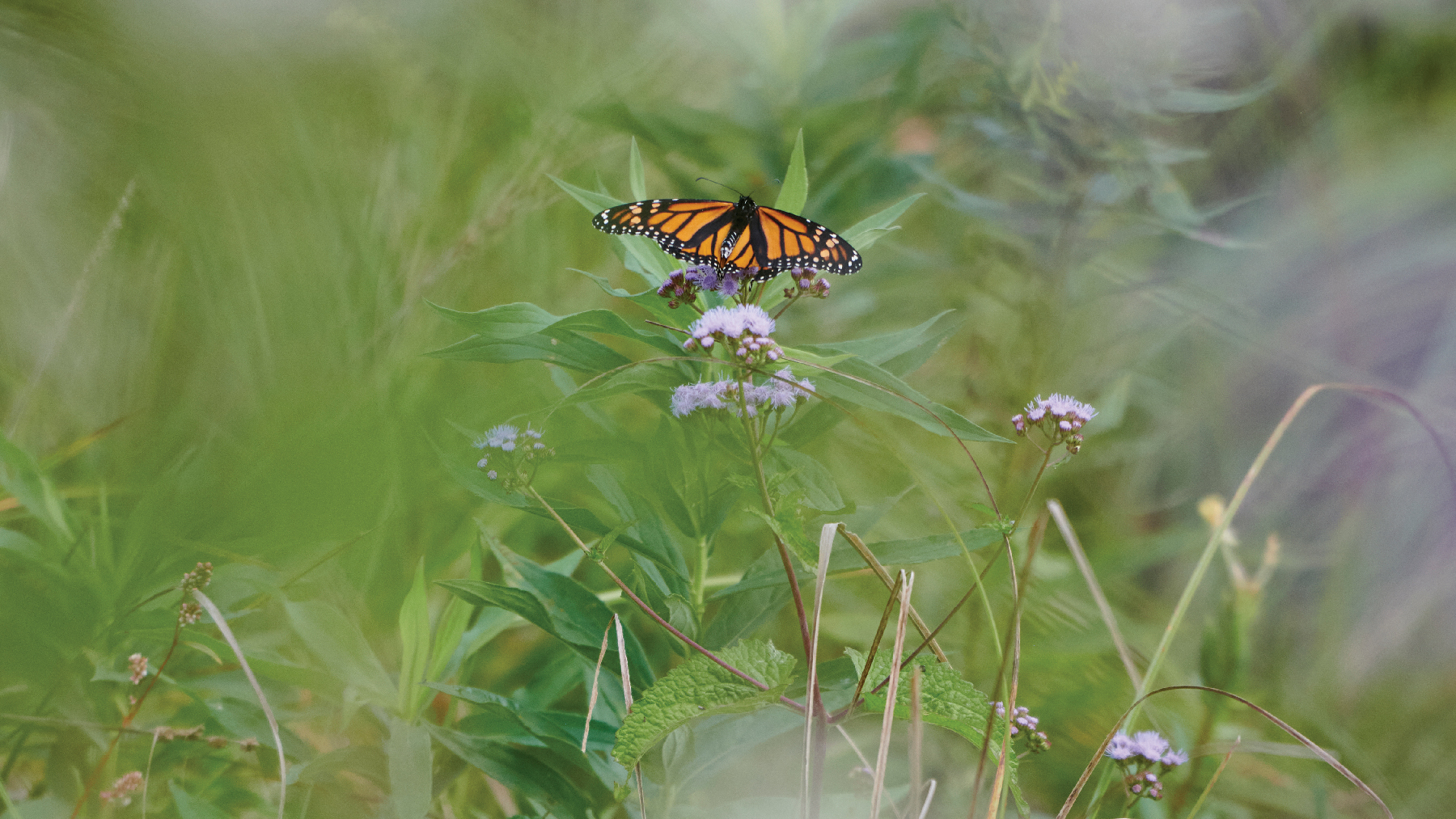
Eurofins also became an active sponsor of Lancaster Conservancy’s Water Week, which is celebrating its 10th anniversary this year. During the week of June 5-13, water-related events will be held across Lancaster County, including tours of Eurofins’ green and blue spaces. Christina, who serves as a tour guide, is always gratified to see curious business owners turn out to learn how they can adapt green concepts to their own properties. That interest is an outgrowth of the Sustainable Business Cohort (of which Christina was a member) that was established by RegenAll, the Lancaster Chamber and MANTEC, and resulted in the publishing of a Sustainable Business Resource guide. “When customers visit [the Lancaster campus], they are always intrigued by what we’re doing here and love what they see,” she points out.
The Human Element
Interestingly, the green environment at Eurofins is seen as a perk that
attracts – and more importantly, retains – employees (all of whom receive training on sustainable business practices). Having access to green spaces is shown to play roles in reducing stress and enhancing productivity.
Employees also enjoy benefits such as subsidized meals and an onsite fitness center. Bike racks, preferred parking for carpoolers and comp bus passes (10 a month) have helped Eurofins become a Best Workplace for Commuters winner since 2018. The campus is a pick-up point for employees who subscribe to Lancaster Farm Fresh’s CSA program.
Employees are also encouraged to share Eurofins’ philanthropic philosophy with the community. Science Volunteers share the many ways STEM education can lead to lifelong careers. Community Heroes is a program through which teams of volunteers take on projects that benefit the community. The largest such project dates to 2006, when the total workforce in Lancaster came together to finance and build two Habitat for Humanity houses that were shipped to the Gulf Coast in the wake of Hurricane Katrina.
Embracing a Green Environment
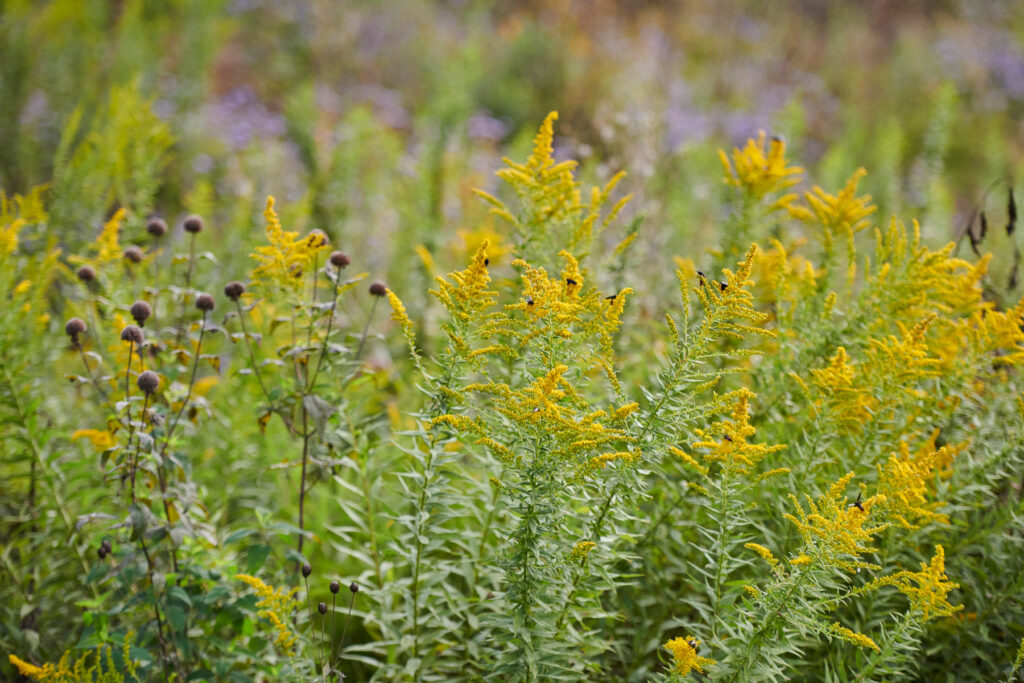
Christina admits there are some tradeoffs involved when landscapes go native. “You’ll need to feel comfortable with the ‘wild’ look,” she says. Color comes in waves. You also must resist the urge to tidy things up, as seedpods provide food for birds and insects and vegetation provides shelter for all forms of wildlife.
Reducing expanses of grass is also a stumbling block for many. Once you get past that, the pluses outnumber any minuses. Less lawn to mow equates to less maintenance and less pesticide use. The need to mulch lessens. “There are a few areas we still need to mulch, but the amount of mulch that’s brought in by our landscaping company has been greatly reduced,” Christina notes.
On the To-Do list is continuing to replace non-native or invasive plants and shrubs with native varieties. A new project will be unveiled for Water Week. The walking trail will be dotted with signage whose QR codes will help visitors gain a better understanding of what they are seeing and will include plant and wildlife IDs. “We’re excited about that,” Christina says of the interactive element that is being added to the trail.
Christina is confident that such contributions are making an impact both locally and globally. “Sustainability is at the heart of Eurofins’ mission,” she emphasizes. “We feel it’s one of our many contributions to creating a safer and healthier world.”
For more information, visit Eurofins.com/biopharma-services/laboratories/Lancaster-laboratories/about-us/corporate-social-responsibility
For information about Water Week activities, visit Lancasterconservancy.org
Fantastic! Wonderful work Chrissy!
A fabulous article to educate us about this gem of a workplace! Thank you, Suzanne!