
I live 10 minutes from the Penn State Flower Trial farm in Manheim and have never visited. Why, is beyond me. I finally broke that streak on August 16, when an Open House was held at the Bees, Bugs & Blooms trial gardens. What a wonderful source for all-things garden that we have right in our own backyard! I’ll definitely be back!
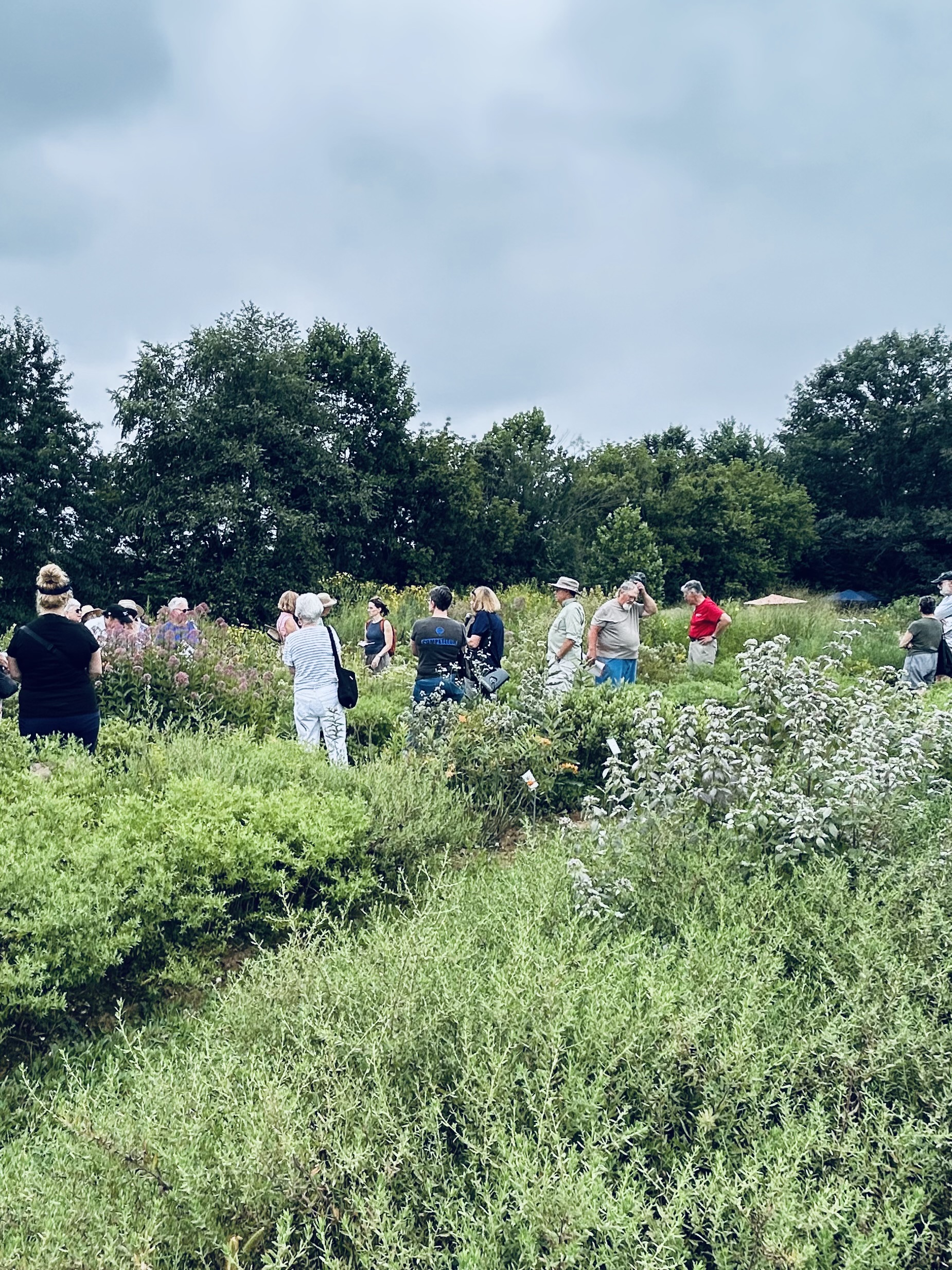
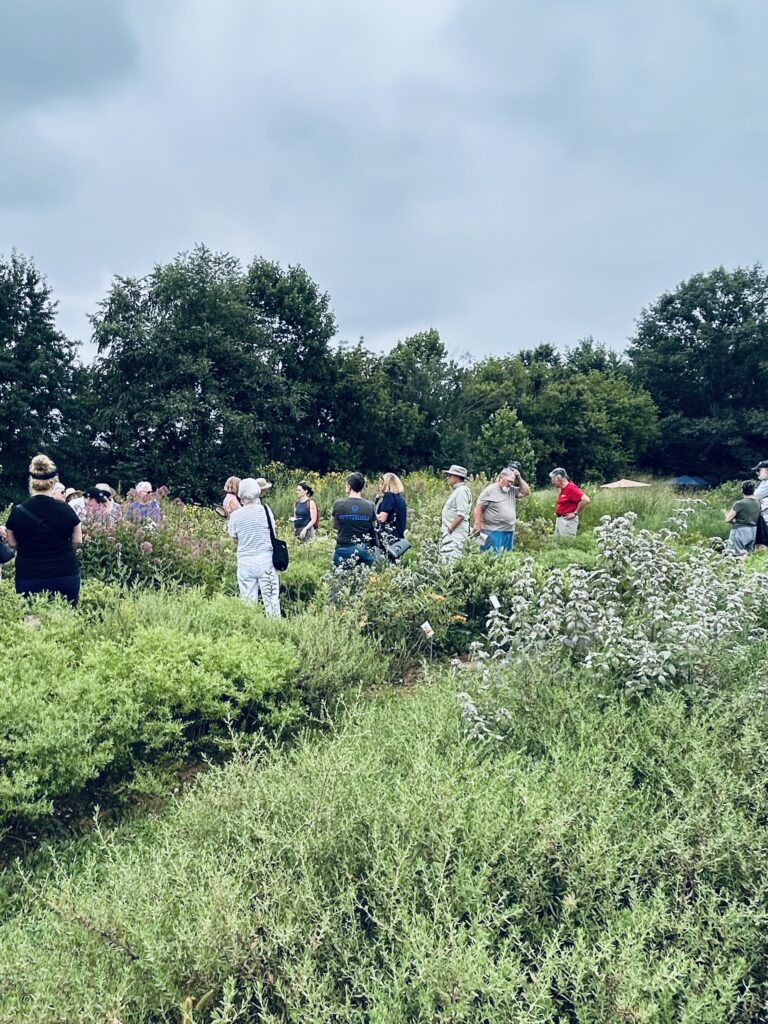
Visitors flocked to the August 16 Open House.
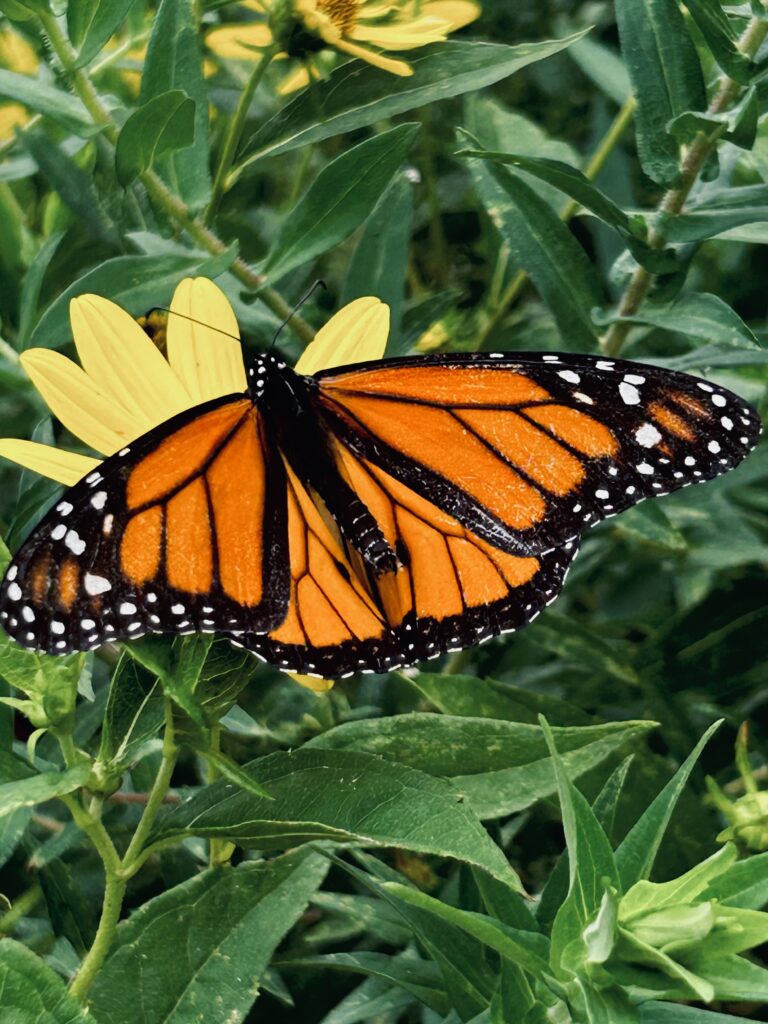
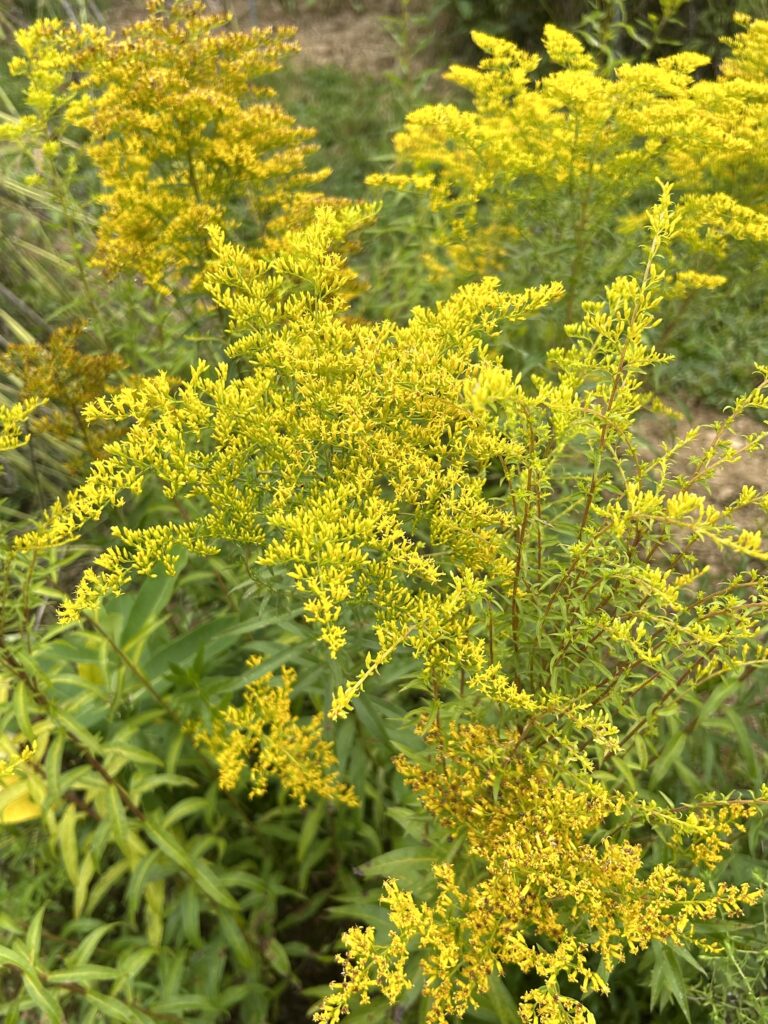
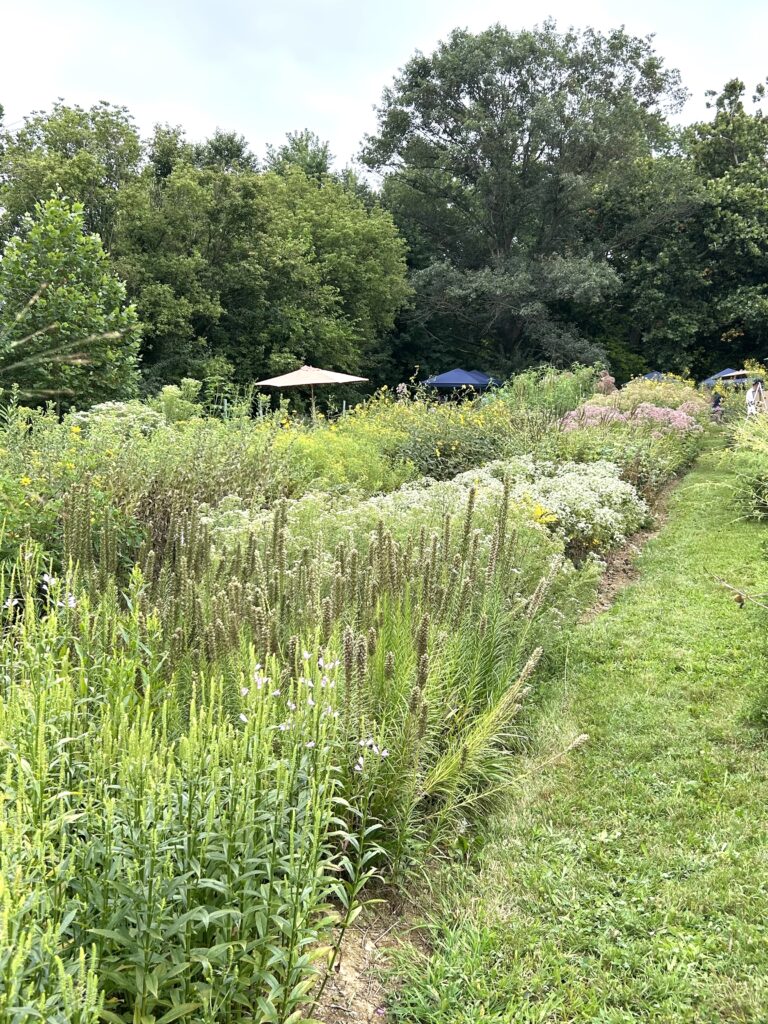
The gardens put me in a mindset for fall. The deep-pink Joe Pyes were swaying in the breeze and attracting lots of Monarch butterflies. The colorful coneflowers were receiving visits from flying creatures, as well. The blooms of the goldenrod, which is often confused with ragweed and therefore gets a bad rap, was just beginning to show signs of life. Ironweed and New England asters were starting to pop, displaying shades of purple. The deep, jewel-like colors reminded attendees that summer was waning, and fall was on the doorstep. Master Gardeners, who study and tend the gardens, were on hand to lead tours, offer advice and conduct a plant sale. It made for an educational and idea-filled morning.
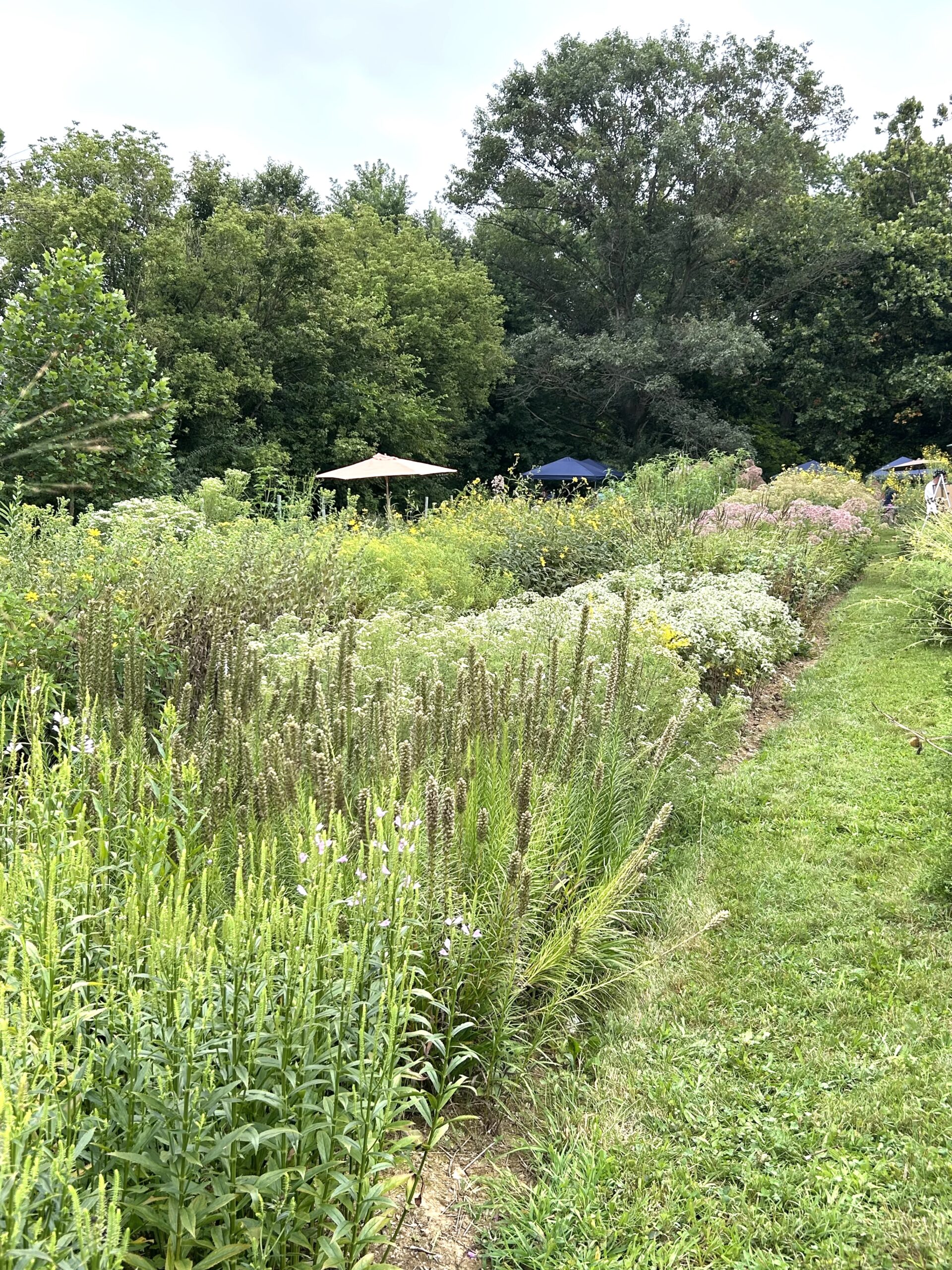
The gardens were in the process of reverting to fall color.
According to Penn State’s website, “the gardens are living laboratories and garden classrooms for horticulture, plant pathology and entomology. Commercial visitors use the gardens to develop plant lists knowing that varieties have been fully tested in this climate and under standard cultural conditions. Others use the trials for photography, relaxation, inspiration or simply selecting the best plants for their own gardens.”
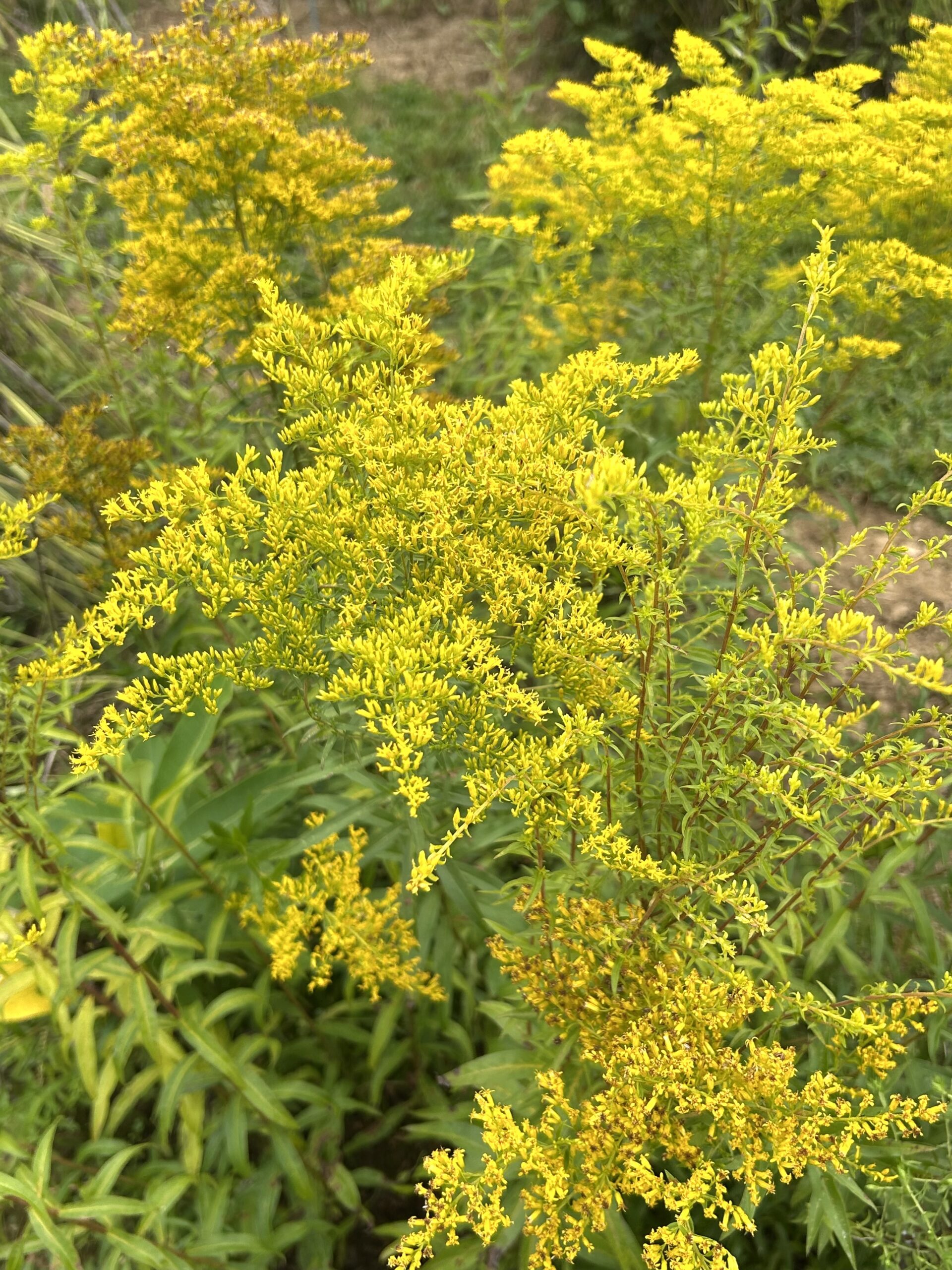
The goldenrod was just beginning to live up to its name.
The plight of pollinators has become a hot topic over the last few years, making this trail garden a very valuable resource for gardeners of all levels. “Pollinator” has become the buzzword in garden centers, botanical gardens and online. The survival of bees, butterflies, moths and insects is vital, since, according to Penn State, “Insect pollinators are responsible for 1 of every 3 bites of food that we eat.” The website points out that “pollinators are increasingly challenged by a lack of good nutrition, places to nest, and pesticides in today’s agricultural, suburban and urban landscapes.” Because of that, valuable research is being done right in our own backyard.
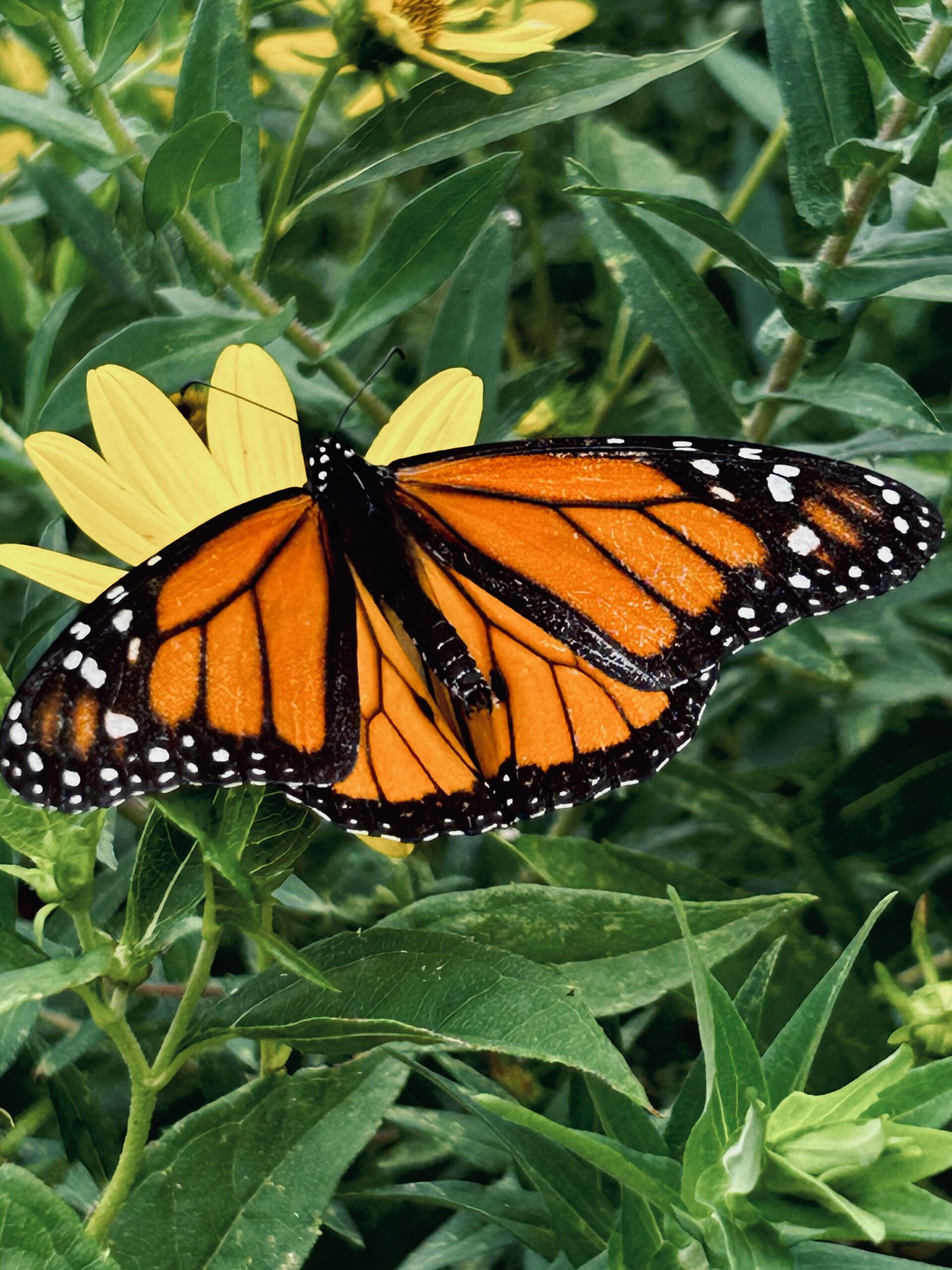
Monarch butterflies enjoy the “smorgasbord” of plants that welcome them to the garden.
This unique pollinator garden was launched in August 2011, when the region’s Master Gardeners installed 4,500 plant plugs (representing 85 species and cultivars of native plants) on 1/3 of an acre at the Penn State Southeast Agricultural Research & Extension Center in Manheim. Each species/cultivar was assigned to a 5×5-foot plot. The project was funded by a grant from the PA Department of Agriculture (PDA). Plants that were selected showed promise of providing color from spring through fall and most importantly, attracting a wide variety of pollinators. (The project was challenged a week later when tropical storm Lee left the acreage under water. Fortunately, most of the plants survived.) Over the next two years, two teams of Master Gardeners evaluated the plants, noting their vigor, blooms and insect activity. Insects were collected for identification by the PDA.
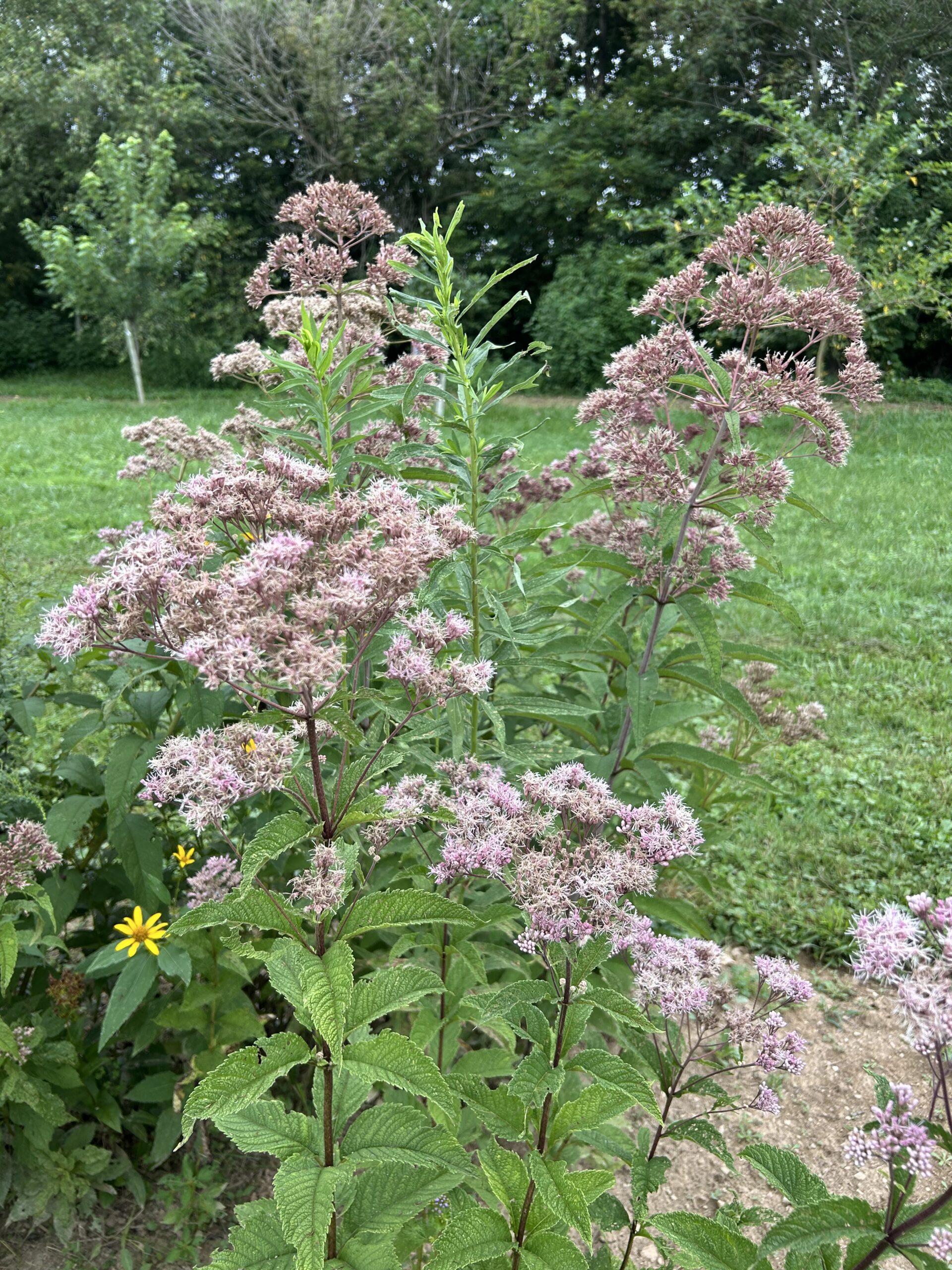
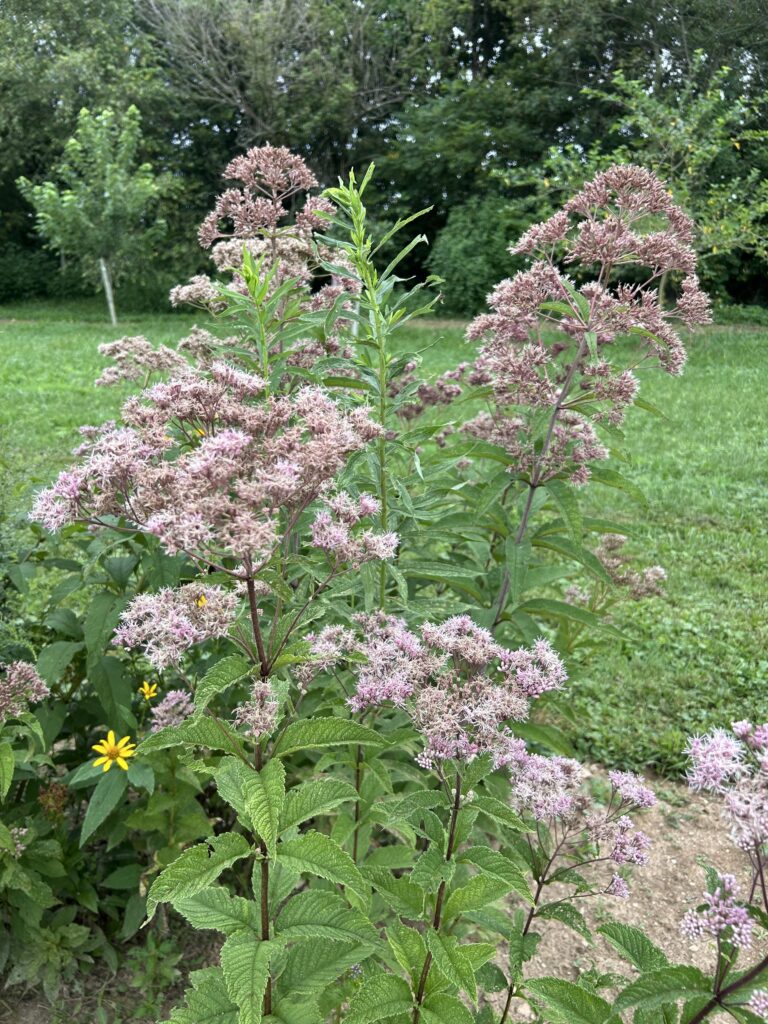
A shorter cultivar of Joe Pye was thriving. The plant’s name was inspired by a Native medicine man.
The next phase of the Master Gardeners’ work (2015-17) focused on identifying plants that attract predators and parasitoids, which at the time centered on the brown marmorated stink bug. Such reporting would benefit farmers, orchard owners and homeowners. A partnership with the Xerces Society helped to fine tune the study.
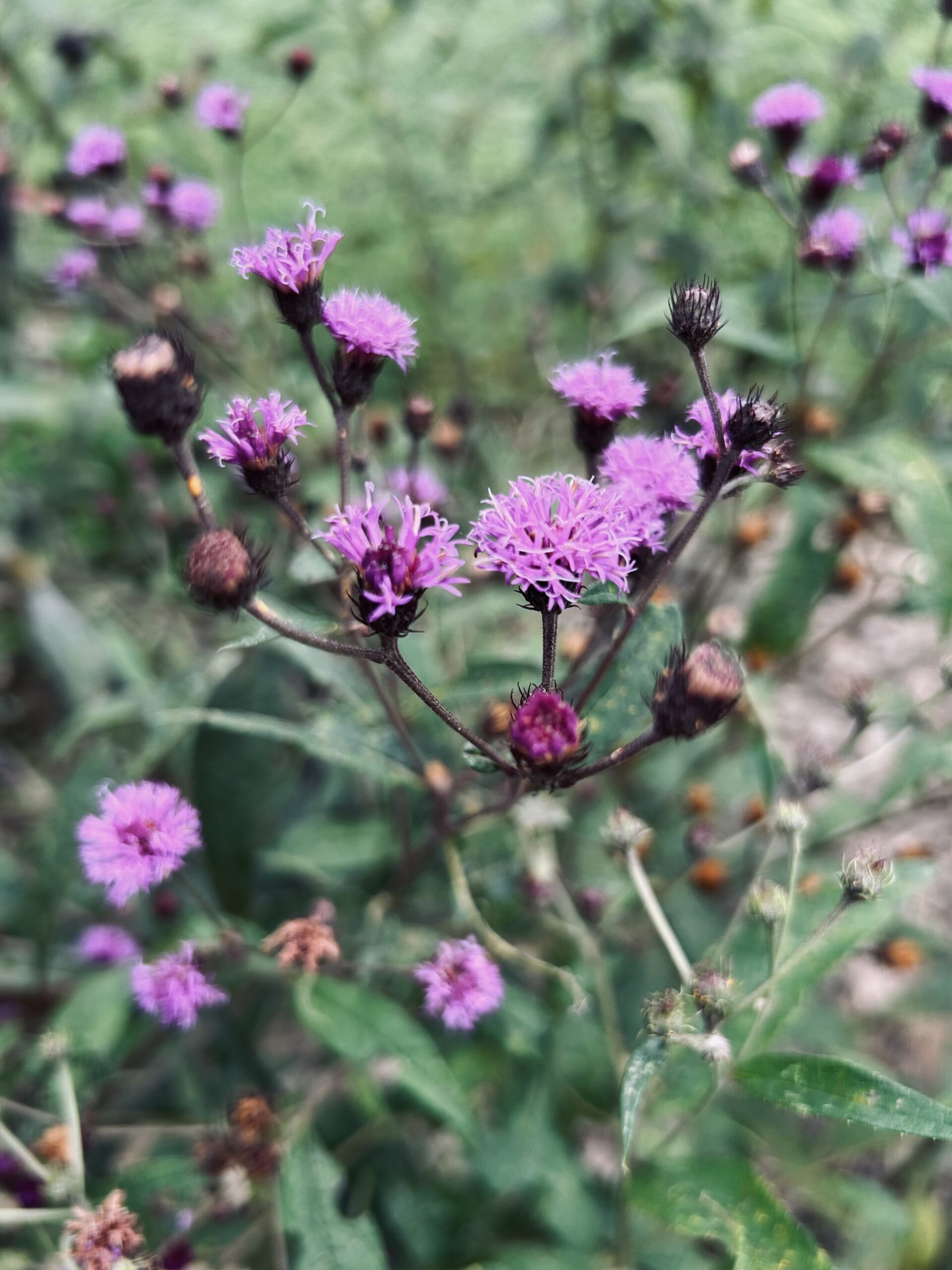
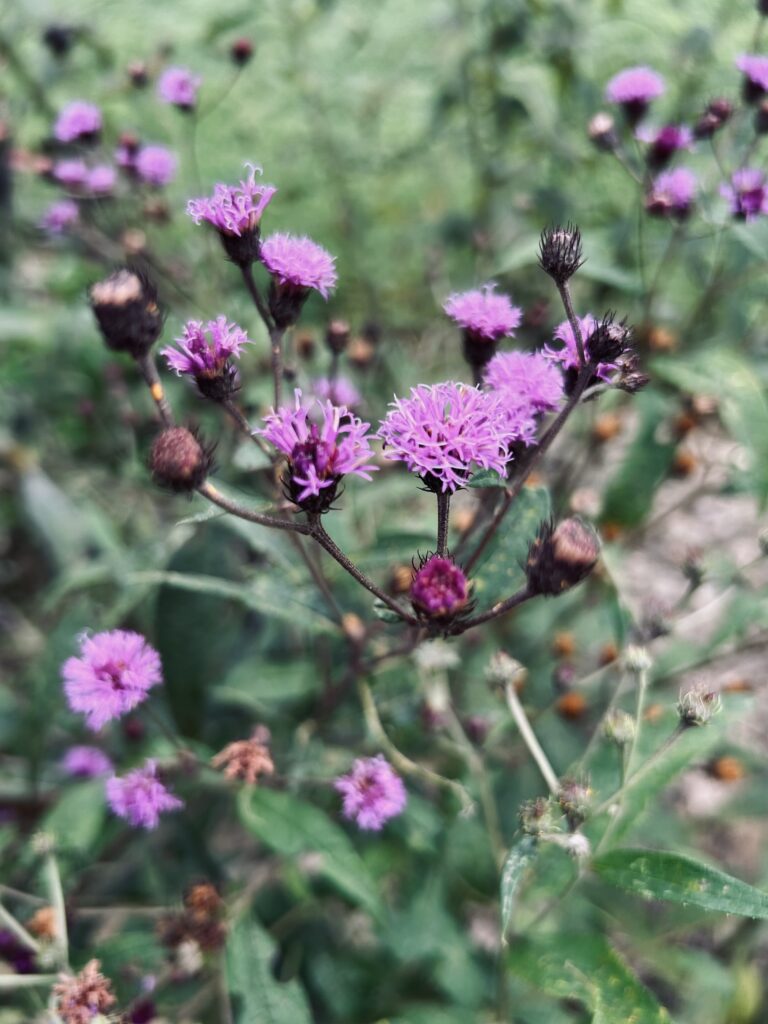
Ironweed lives up to its name.
By 2018, the alarm bells were being sounded about the decline of Monarch butterflies and the Master Gardeners turned their attention to identifying plants that would attract and fortify them. In all, 41 plants were monitored, including some recommended by the Xerces Society. In 2018-19, those monitoring the plants had identified 32 different butterfly varieties were attracted to 41 species of plants and their cultivars.
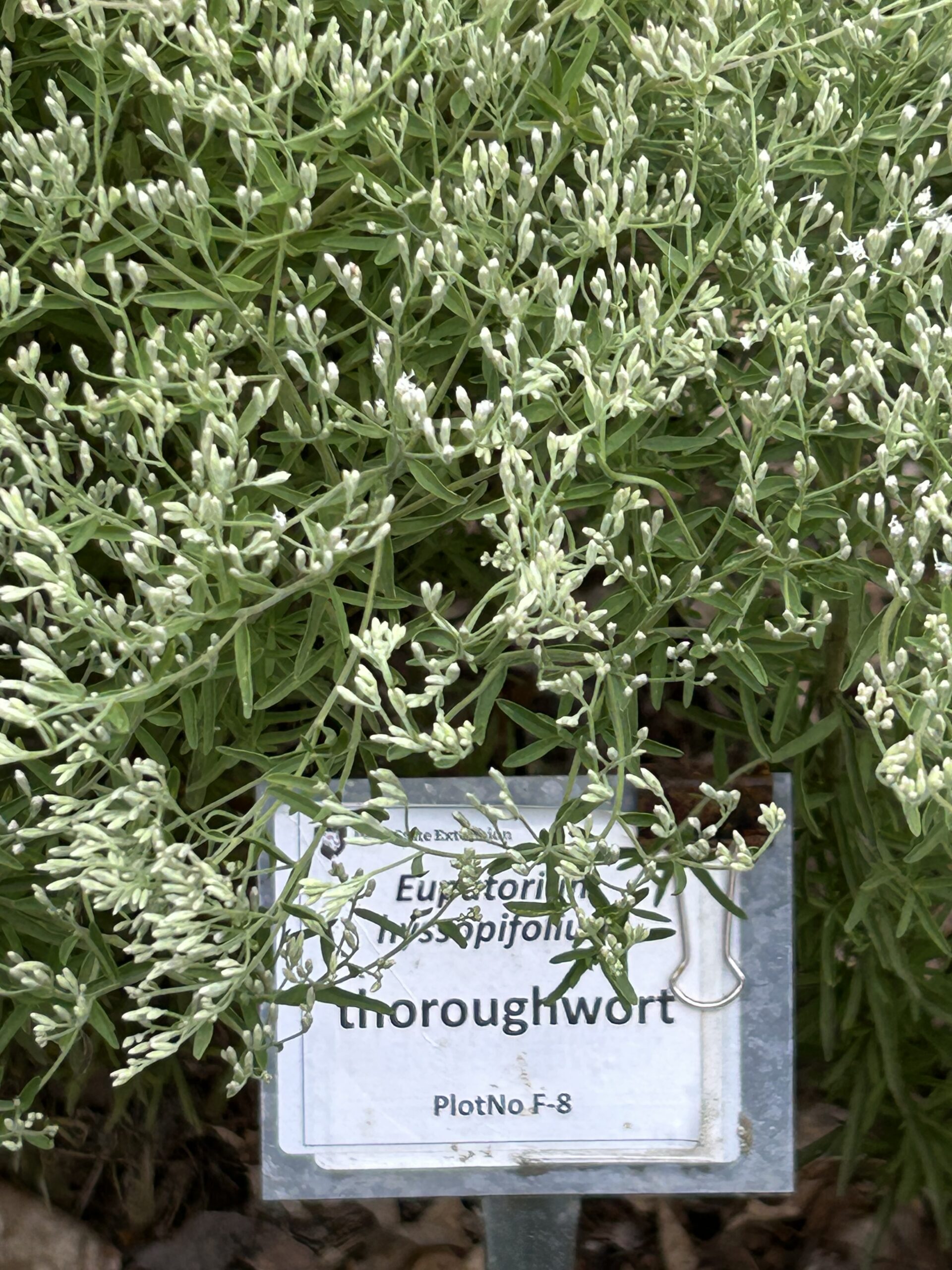
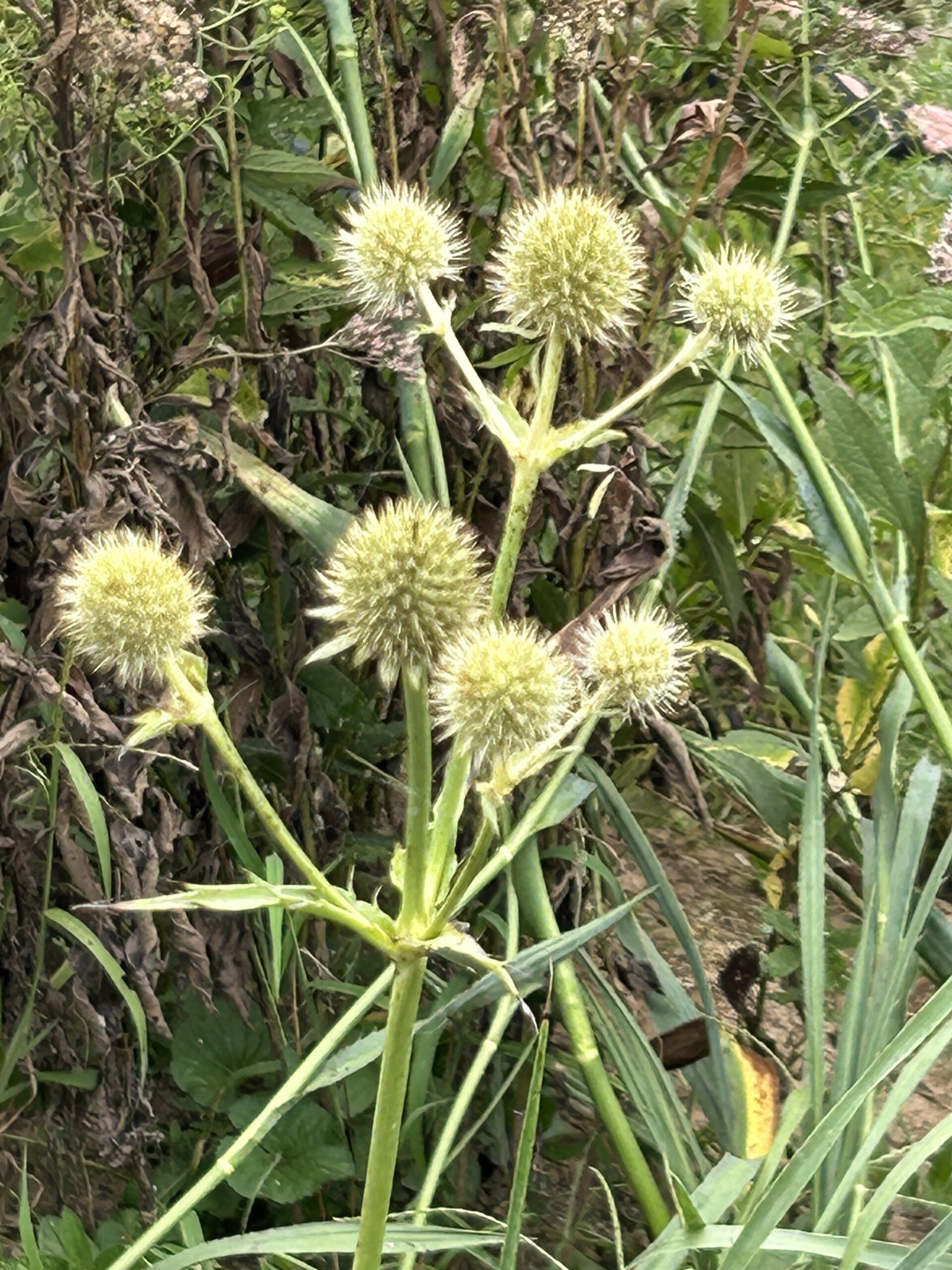
In 2023-24, Master Gardeners undertook a study to learn what had changed over the course of 11 years, thus their attention returned to monitoring the trial plants and taking note of things such as bloom time. They also began to study bumble bees and note their preferred plants.
To learn about the details and results related to the trials, visit agsci.psu.edu
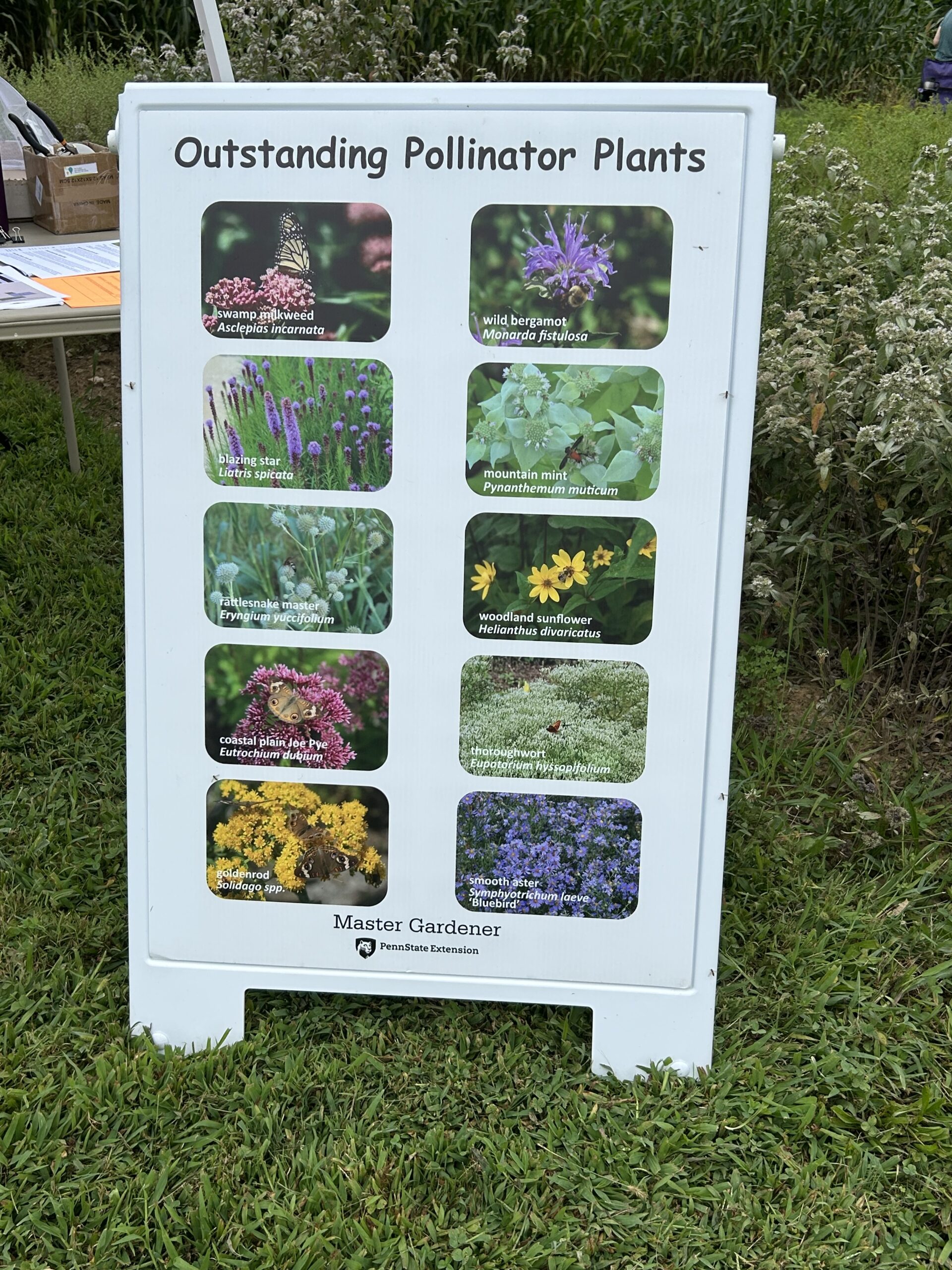
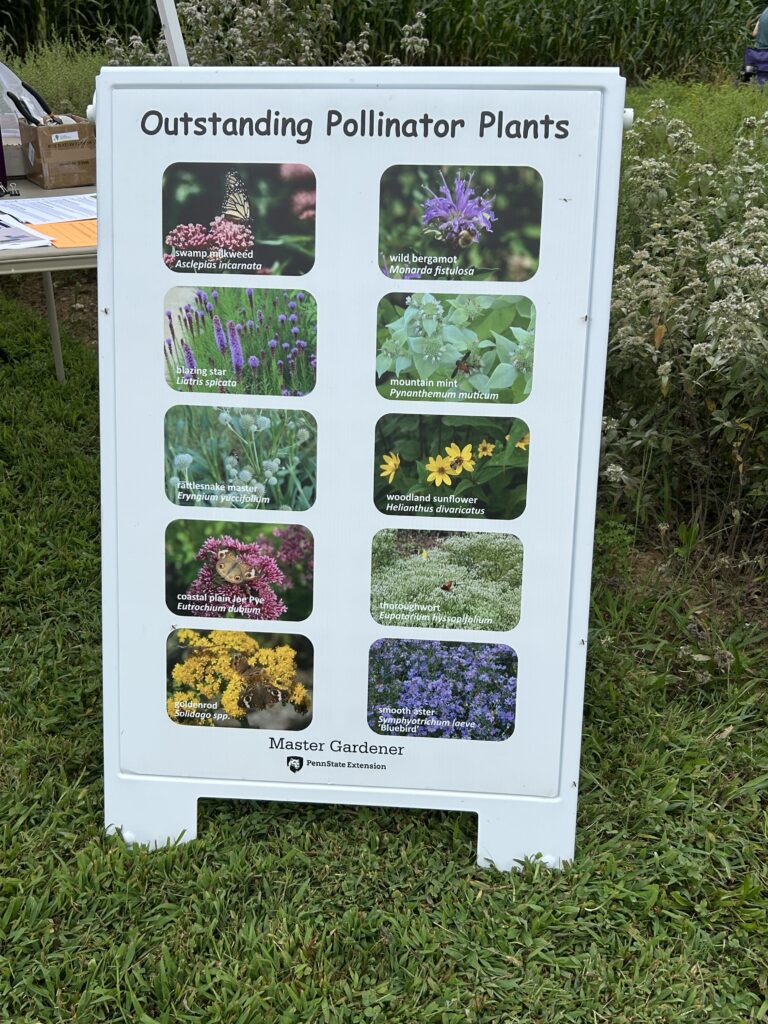
Information about highly rated pollinator plants was available.
One thing visitors at the Open House learned about these hardy plants is that they are fairly low maintenance. They don’t need amended or enriched soil and don’t require mulch. The Master Gardeners simply rely on fallen leaves to provide them with cover during the cold-weather months.
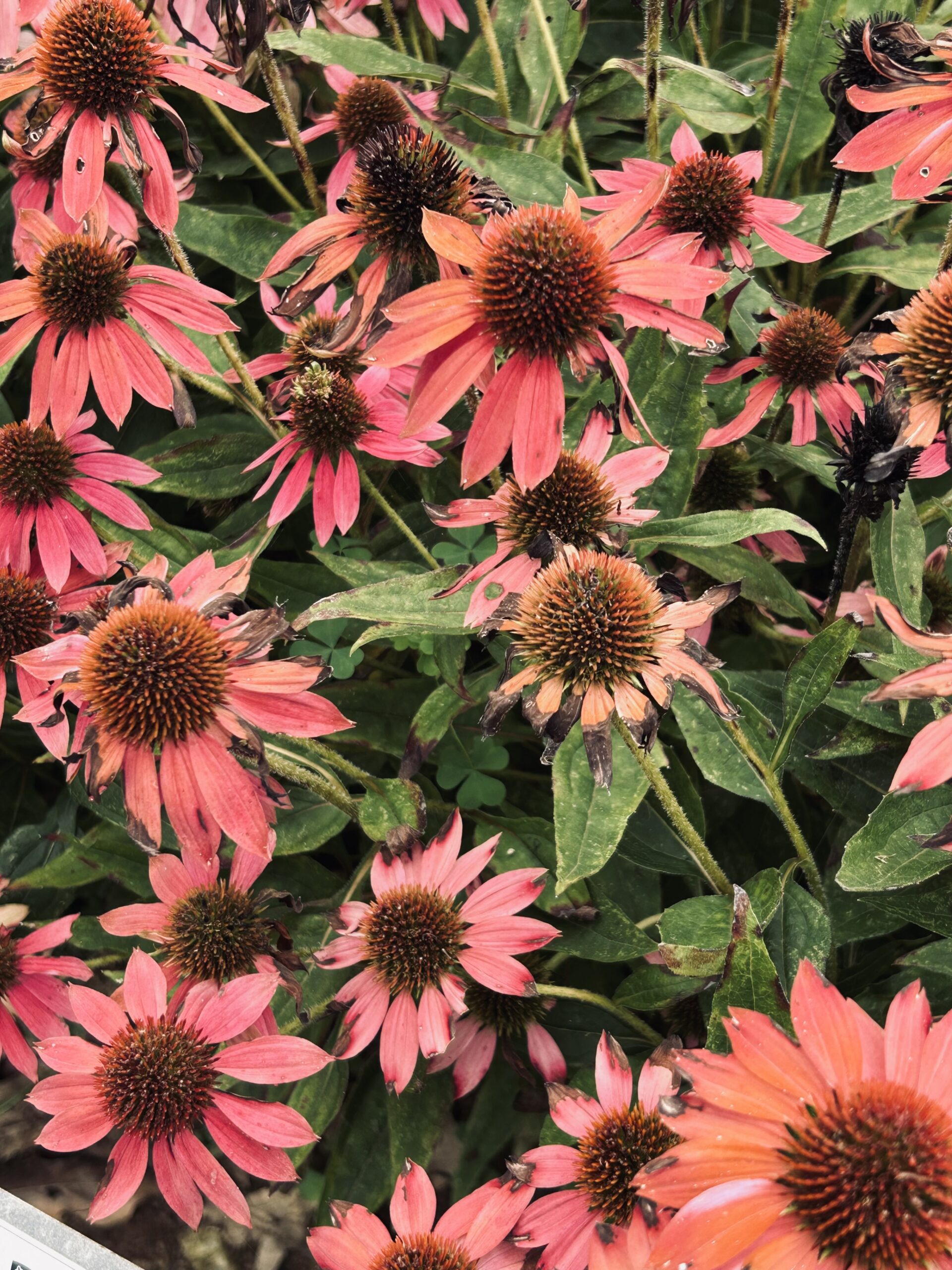
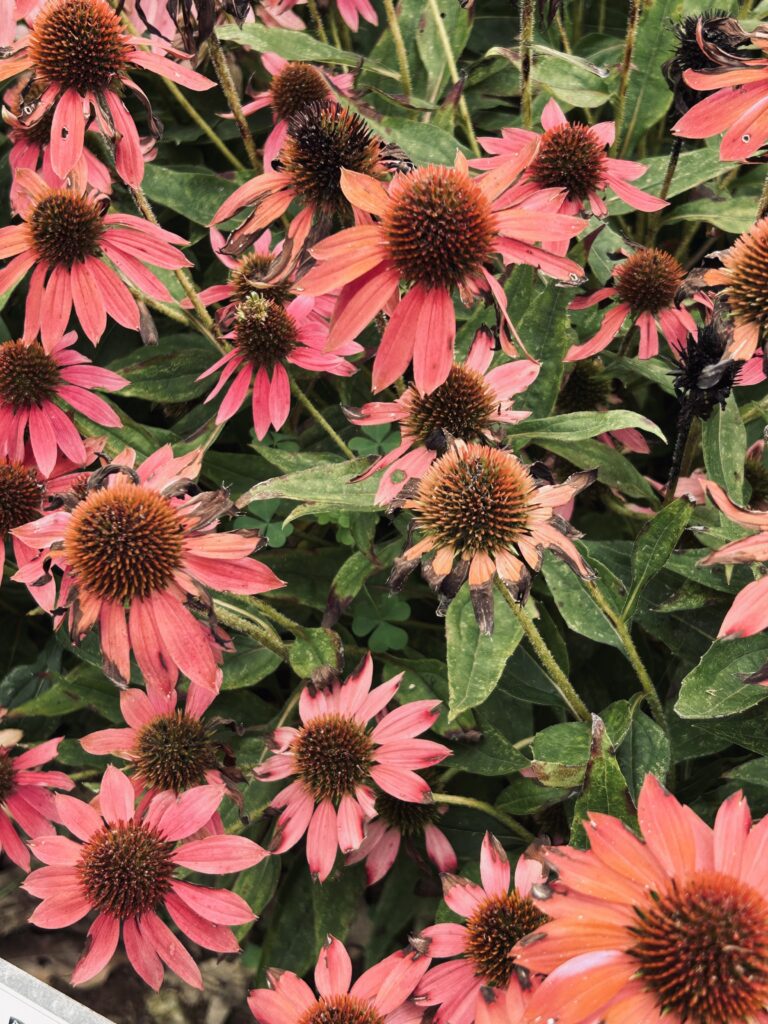
The echinacea was displaying its vivid colorations. Interestingly, its scientific name was taken from the Greek word, “echinos” that refers to hedgehog or sea urchin.
The Penn State Trial Gardens are located at 1446 Auction Road, Manheim. The gardens are open to visitors, free of charge, from June 1 through August 31, from sunrise to sunset (Master Gardeners are typically on-site Tuesdays and Thursdays). One Open House remains in the Bees, Bugs & Blooms garden: Tuesday, September 16, 9 a.m.-12 p.m. with guided tours conducted at 9:30 and 11 a.m.
Leave a Reply