
The Philadelphia Flower Show always provides insight on gardening trends for the coming season. This year’s show, being held February 28-March 8, is paying homage to the USA’s 250th anniversary. What better way is there to salute gardening through the centuries than by heeding the song lyrics, “everything old is new again.” Fear not: There are also plenty of new and innovative products on the market, as well.
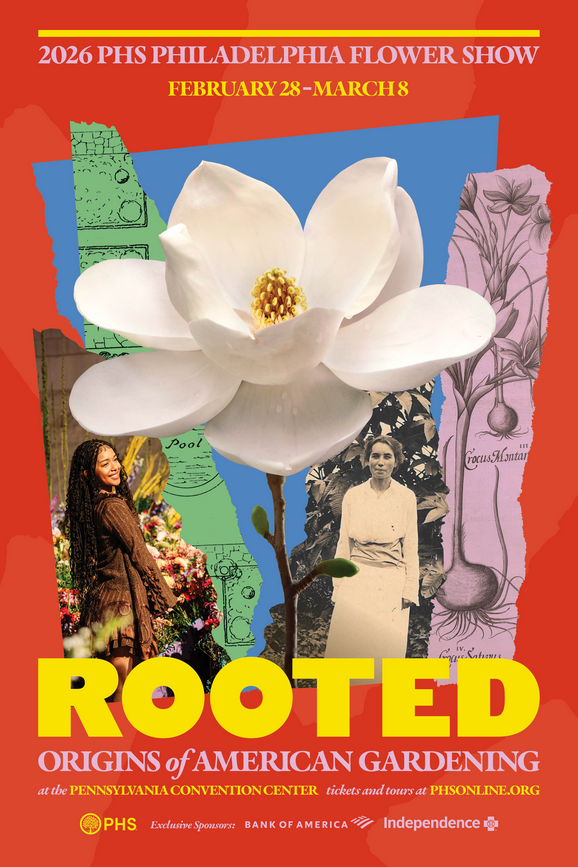
In December, the PHS, an established gardening resource for nearly two centuries, unveiled its Top 10 gardening trends for 2026. Forecasted by horticultural experts at PHS, these trends reflect the ideas, practices and emerging aesthetics poised to influence gardeners across the country in the year ahead. “Gardening continues to evolve as people explore new ways to connect with nature, express creativity, and grow food and beauty in their own spaces,” says Andrew Bunting, vice president of horticulture at PHS. “From innovative houseplant displays and water-wise gravel gardens to cutting-edge AI tools and rewilding practices, the 2026 trends reflect how gardeners are experimenting, learning and finding joy in every corner of their gardens.”
The list of Top 10 trends provides gardeners of all experience levels with practical guidance and new ways to engage with their outdoor and indoor spaces.
Top 10 Gardening Trends of 2026
- GARDENING INNOVATIONS – This year brings a fresh crop of gardening innovations that stand out for their originality and smart design. These new plants and products are not only eye-catching but also reflect a growing focus on sustainability and versatility both indoors and out.
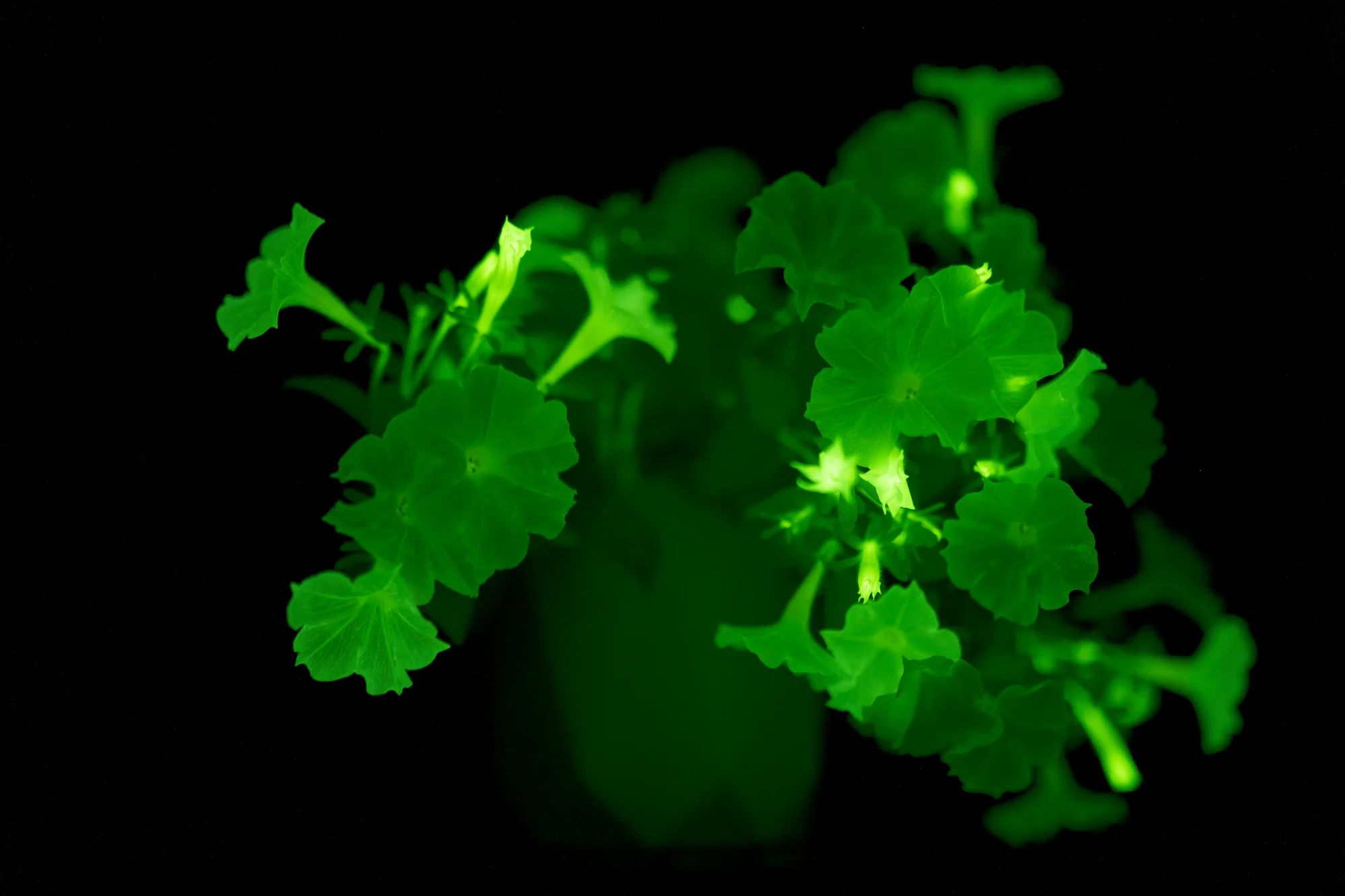
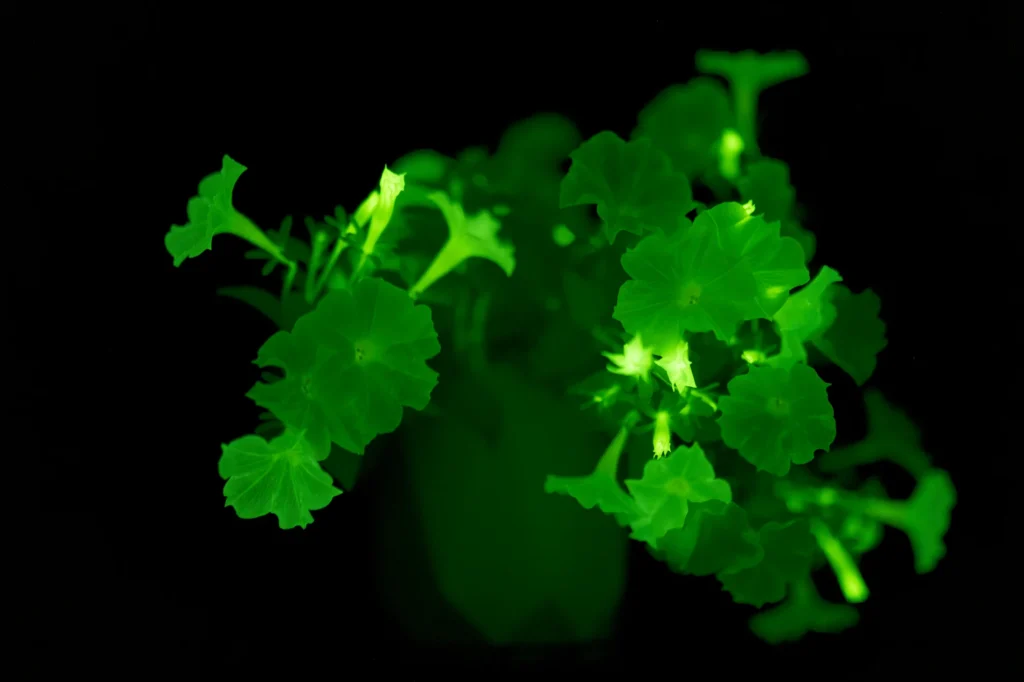
In the world of new plants, Petunia ‘Firefly’ is a striking genetically modified innovation, with petals featuring subtle flecks that glow in the dark. The effect adds an unexpected layer of interest to containers and garden beds, extending visual appeal into the evening hours and offering gardeners a playful new way to experience familiar annuals.
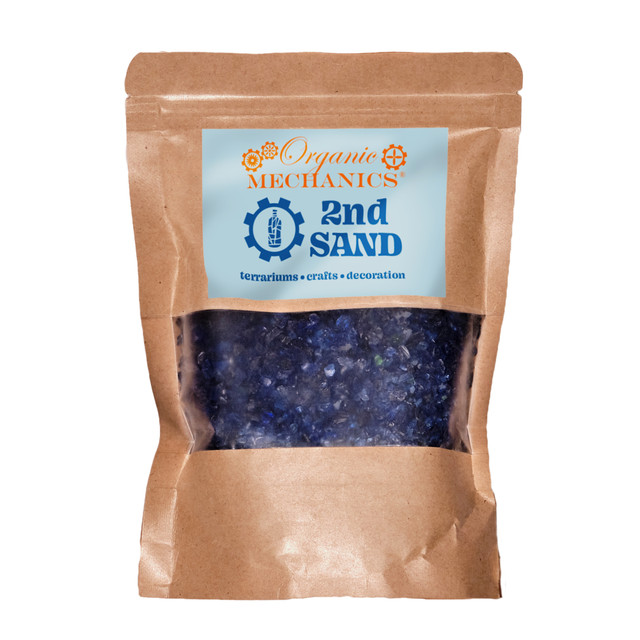
Gardening mediums like 2nd Sand from Organic Mechanics highlights how sustainability is shaping everyday garden materials. Made from recycled glass, this versatile medium can be mixed into soil to improve drainage or used as a decorative top layer, making it especially well-suited for terrariums and other small-scale plant displays.
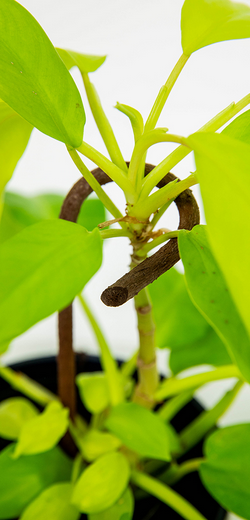
Climb-itt® by Leafjoy® reflects a similar focus on smart, eco-conscious design. These sustainable climbing poles support twining houseplants while replacing traditional materials with a blend made from potato skins and elephant grass, offering a functional, plant-based alternative that fits seamlessly into modern indoor gardens.
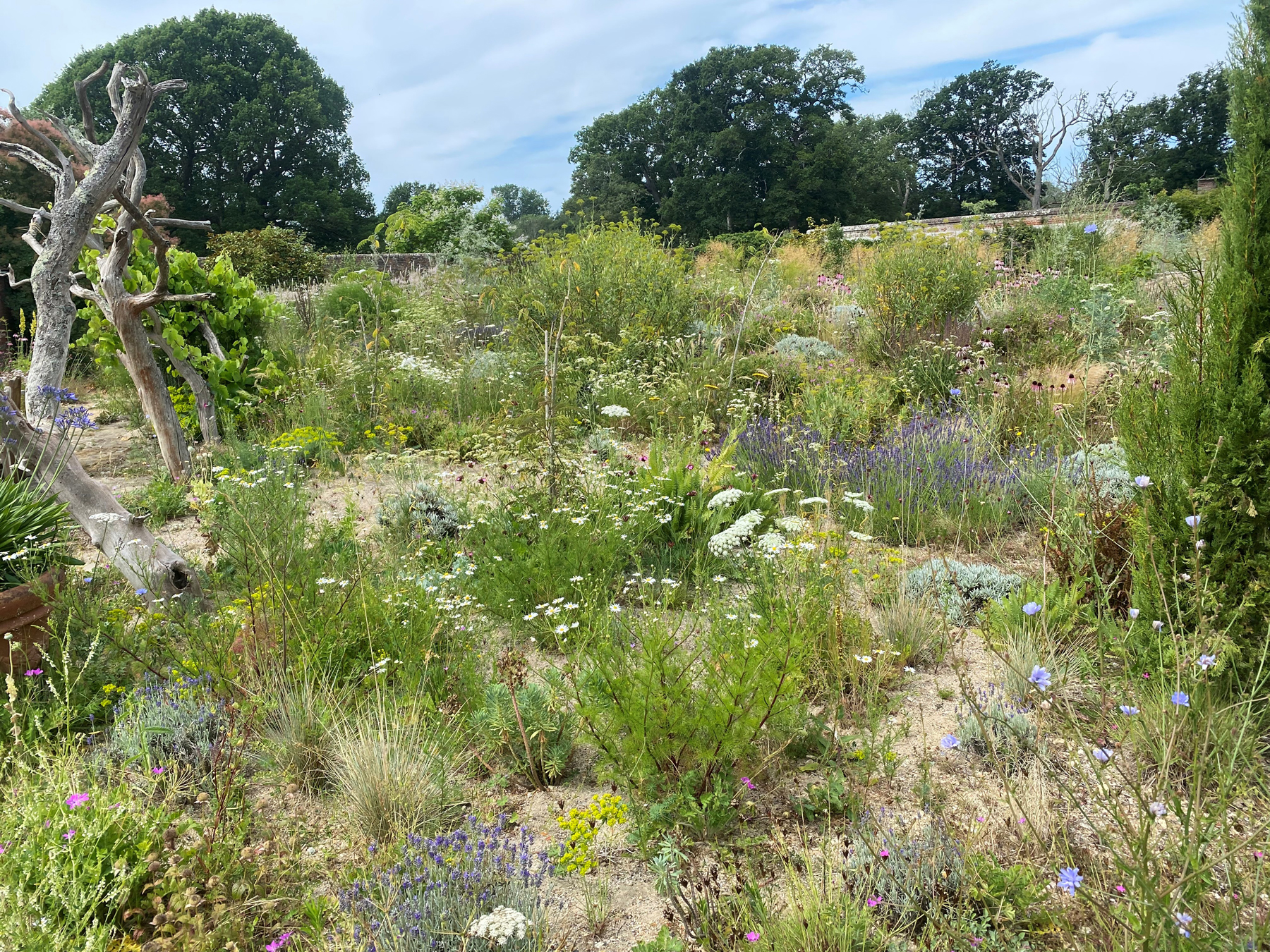
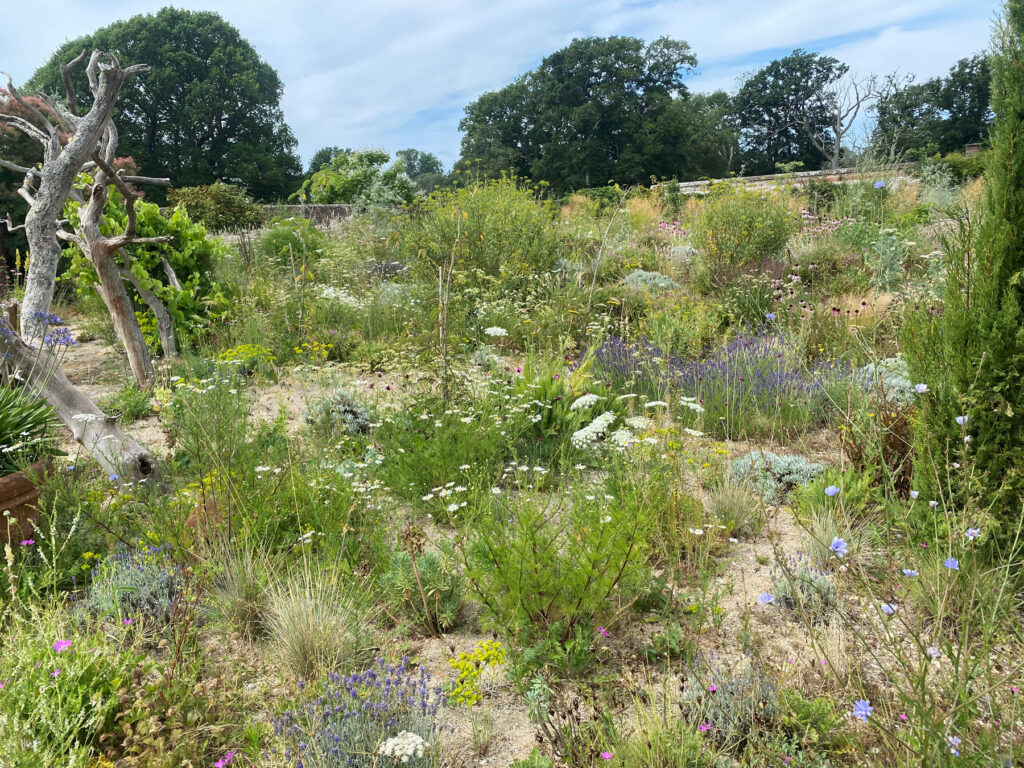
- REWILDING – This is a global trend whereby homeowners and landowners are letting portions of their properties “rewild.” This is not simply a matter of letting the landscape go wild but requires some level of intention. It is important for a rewilding project to allow native species to come back while deterring invasive exotics.
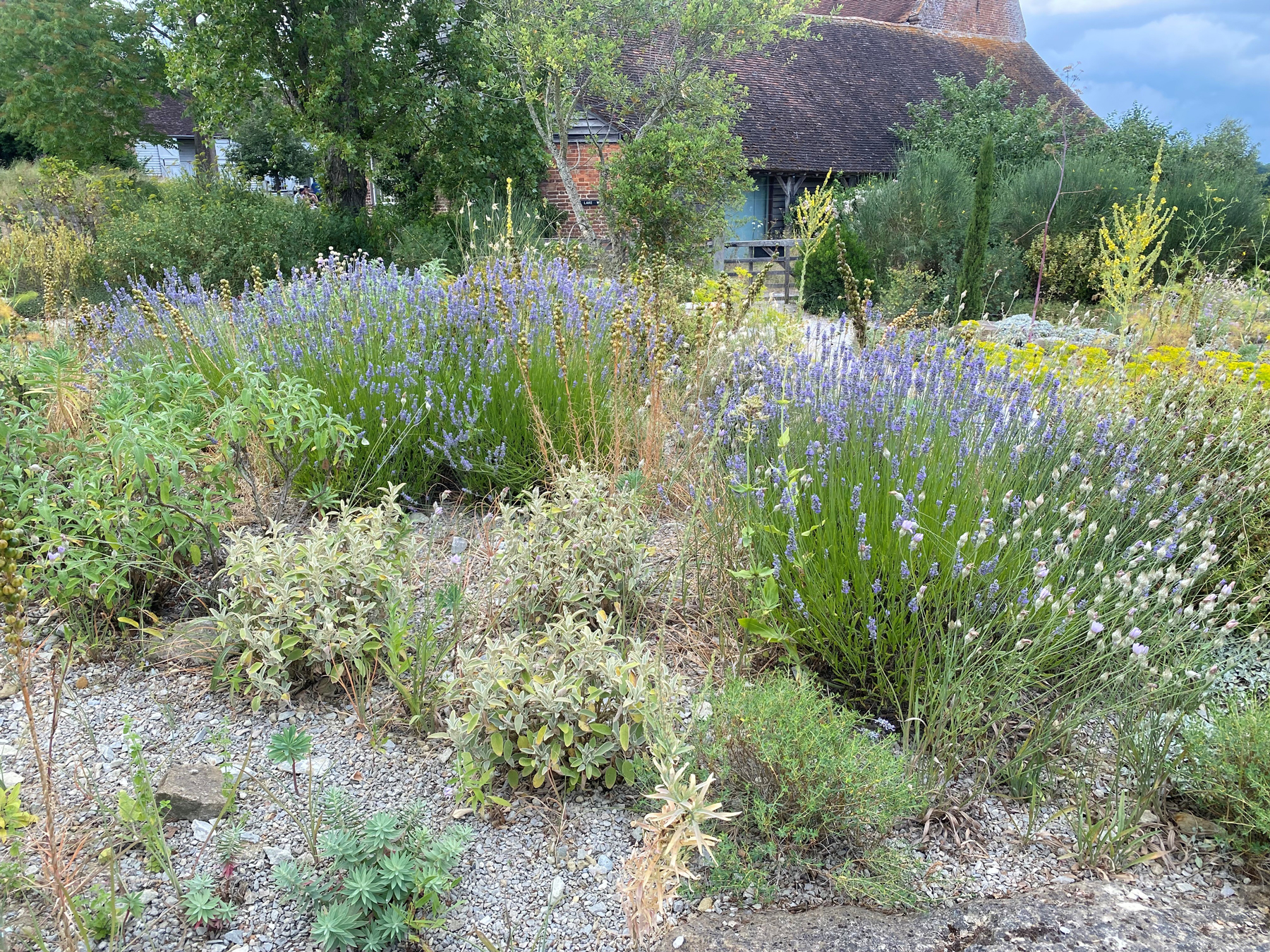
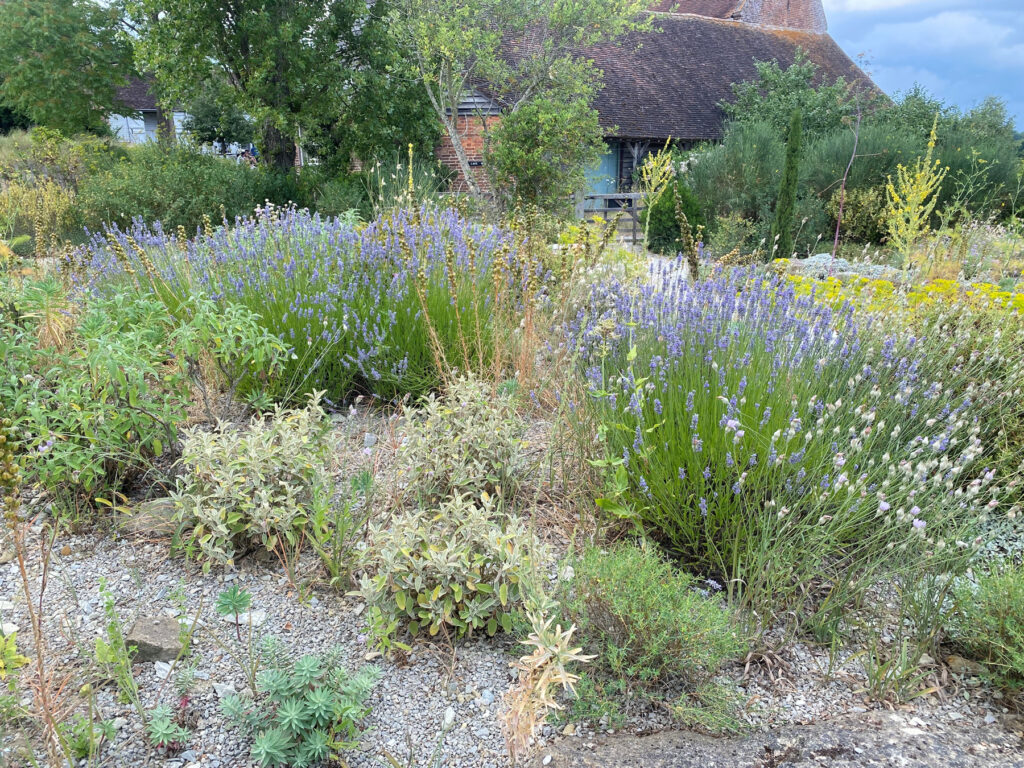
- GRAVEL GARDENING – In the spring of 2026, “Gravel Guru” Jeff Epping will release a new book that covers all aspects of gravel gardening. This xeriscaping approach is gaining popularity with many notable public gardens including The Scott Arboretum and Gardens, Chanticleer, PHS Meadowbrook Farm and Olbrich Botanic Gardens, all of which are showcasing gravel gardens. While this represents an aesthetic approach, it’s also a type of gardening that promotes water-wise gardening with strong visual appeal, a win-win for those looking for beauty while wanting to be more environmentally sound.
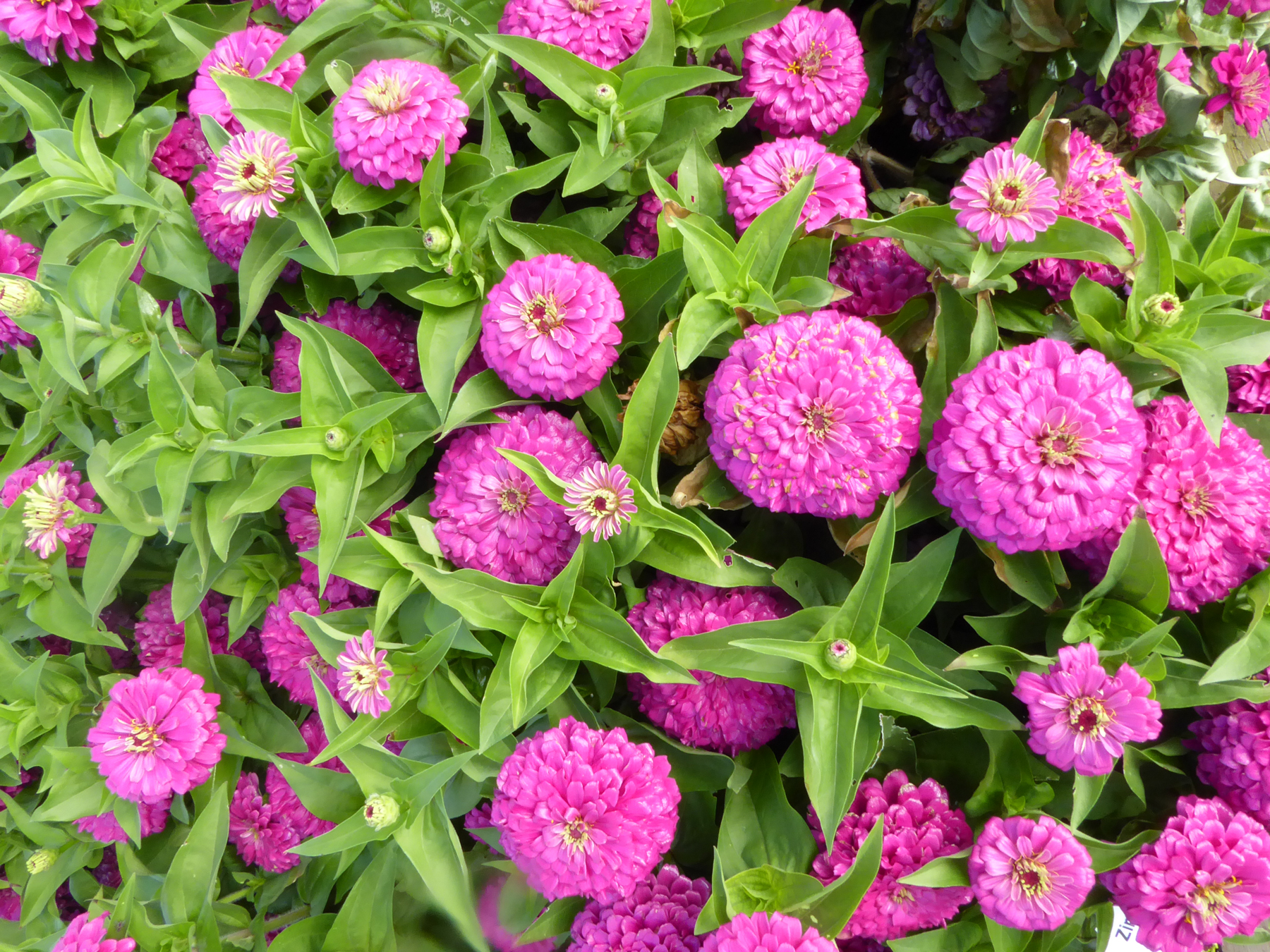
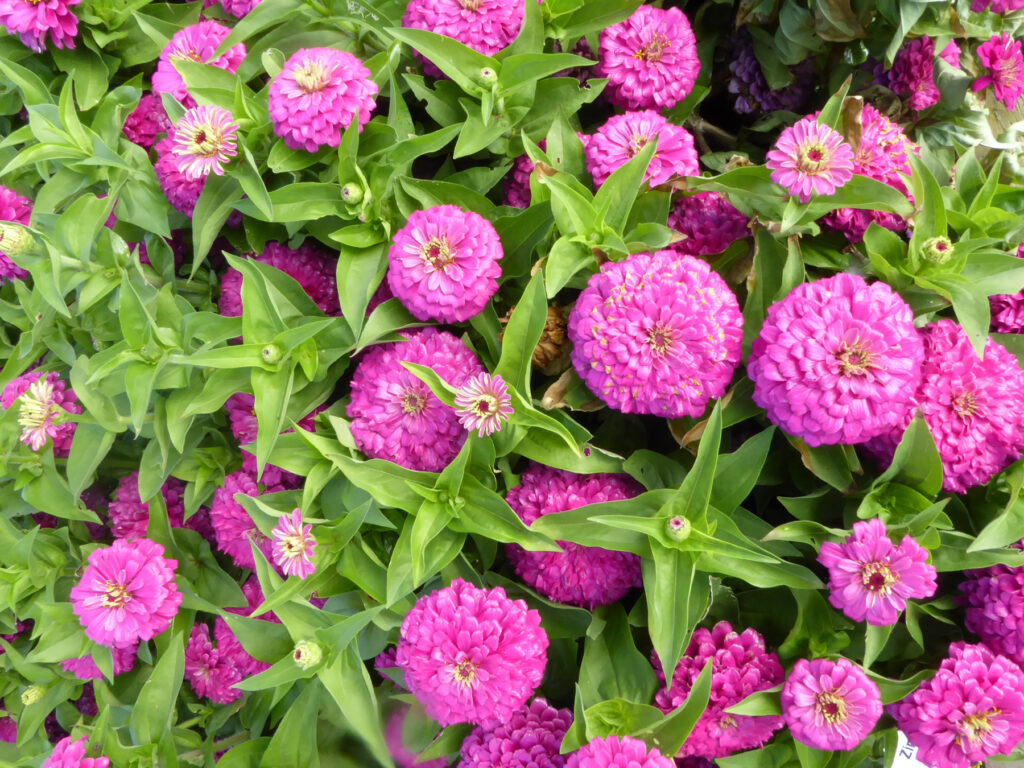
- GROWING CUT FLOWERS – Over the last decade, boutique flower farms have emerged across the country, reshaping how people grow, buy and enjoy cut flowers. This movement reflects a growing interest in locally grown flowers that are fresher, more seasonal and often cultivated using sustainable practices. Popular cut flowers include dahlias, zinnias and heirloom annuals.
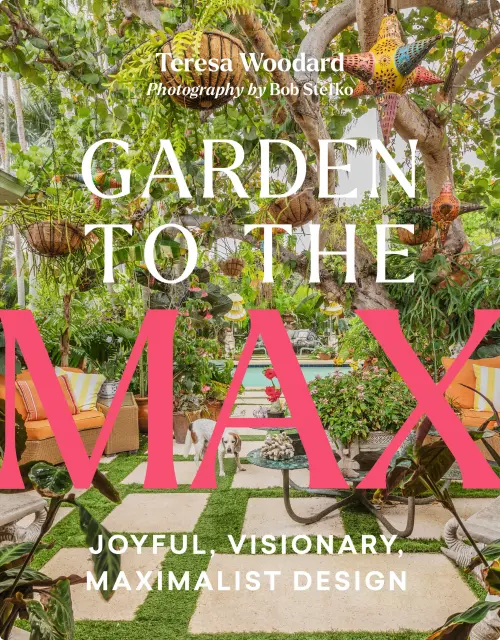
- GARDEN TO THE MAX – Maximalist garden design celebrates the art of bold and unapologetically abundant spaces, whereby creativity and color take center stage. Teresa Woodard’s Garden to the Max: Joyful, Visionary, Maximalist Design promotes bold and abundant garden design and showcases how “more is more” in gardening. This approach to gardening is perfect for gardeners who don’t shy away from using a profusion of color in the garden.
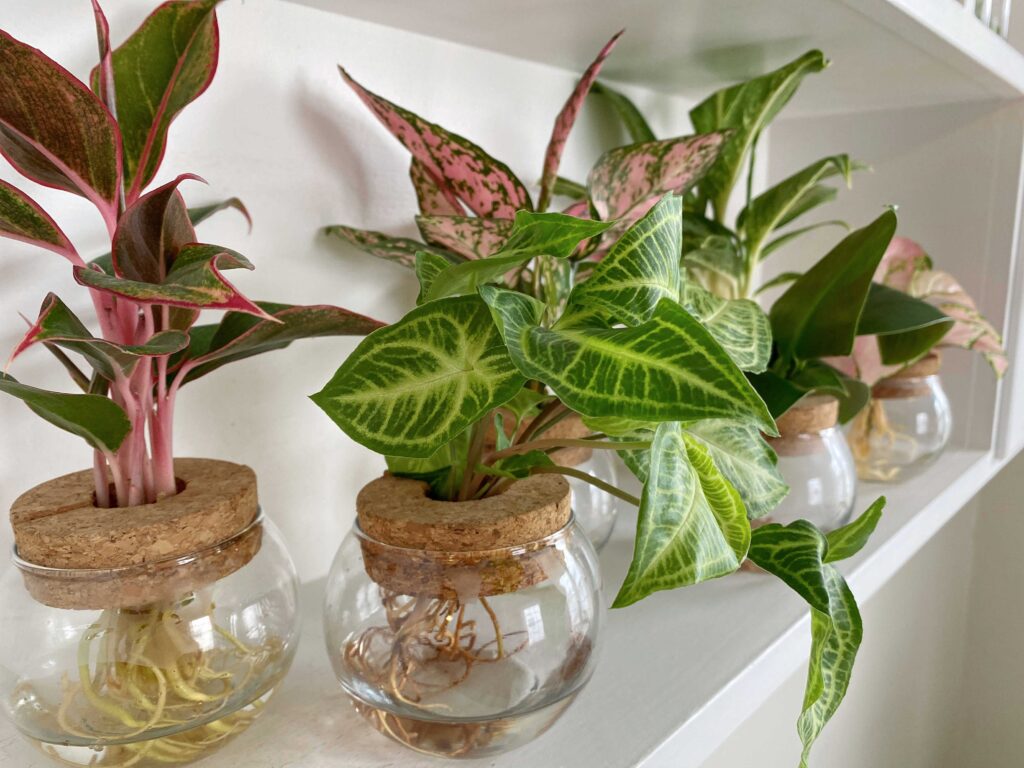
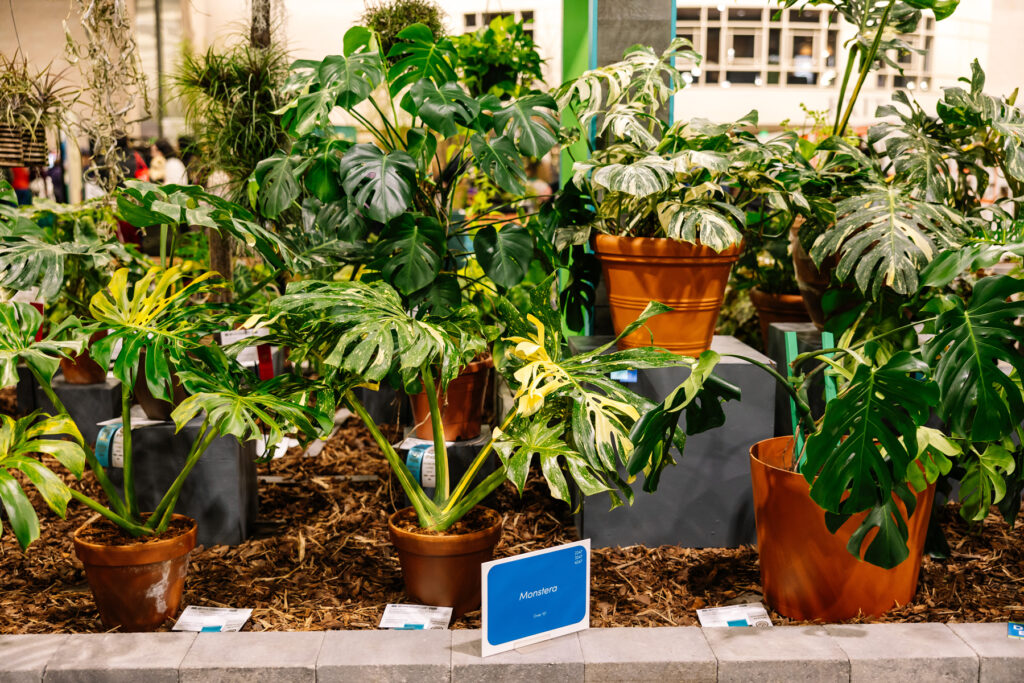
- THE HOUSEPLANT PHENOMENON CONTINUES – Houseplants became a global obsession during the pandemic and the phenomenon continues, making gardening accessible for anyone, regardless of space. From homes to offices, houseplants bring beauty and wellness indoors while also becoming a popular way to cleanse the air. Below is a list of trending houseplants.
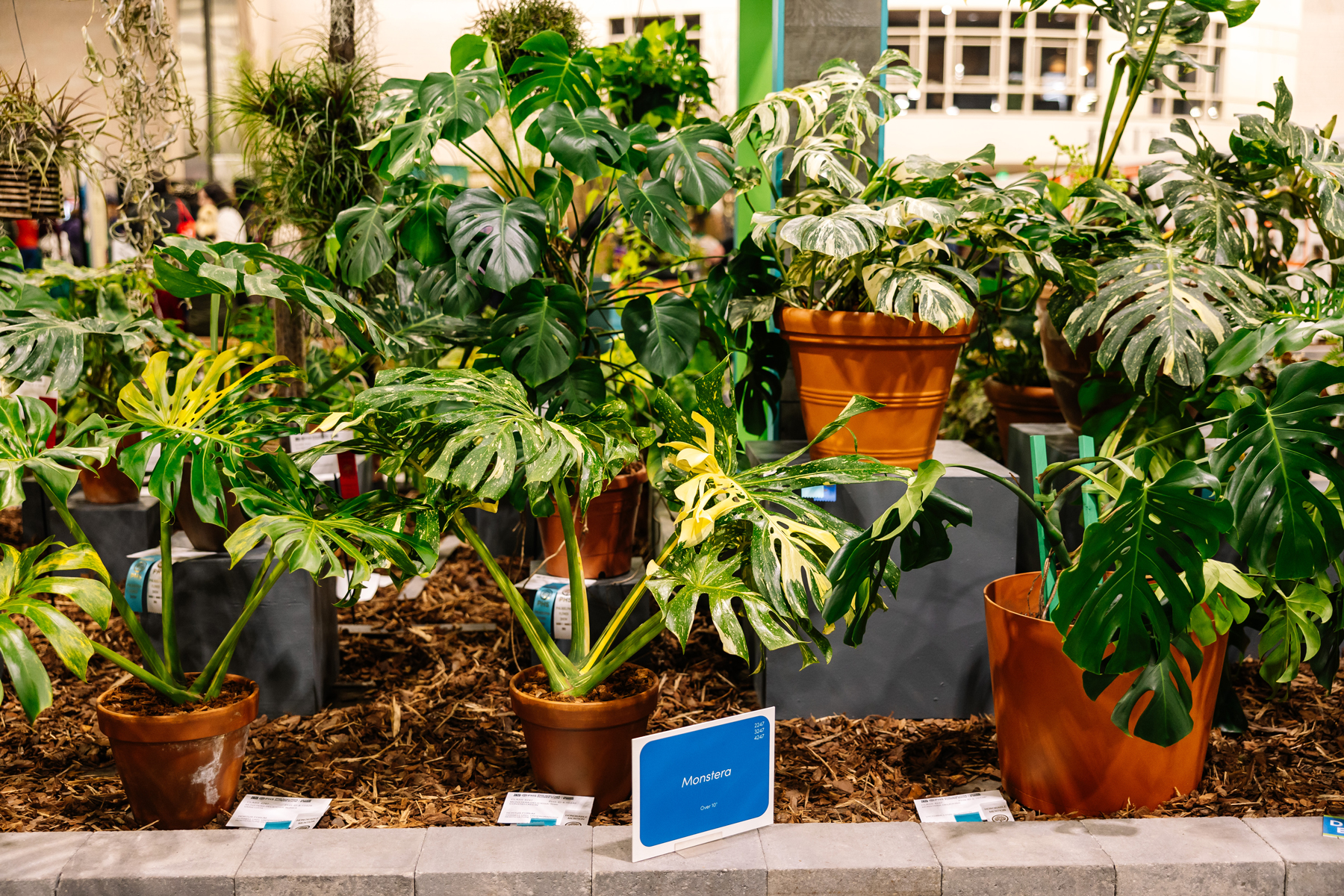
Aroids remain very much in vogue and are very collectible, with some cultivars in high demand for their unique foliage patterns. Popular options this year include Monstera, Philodendron and Pothos.
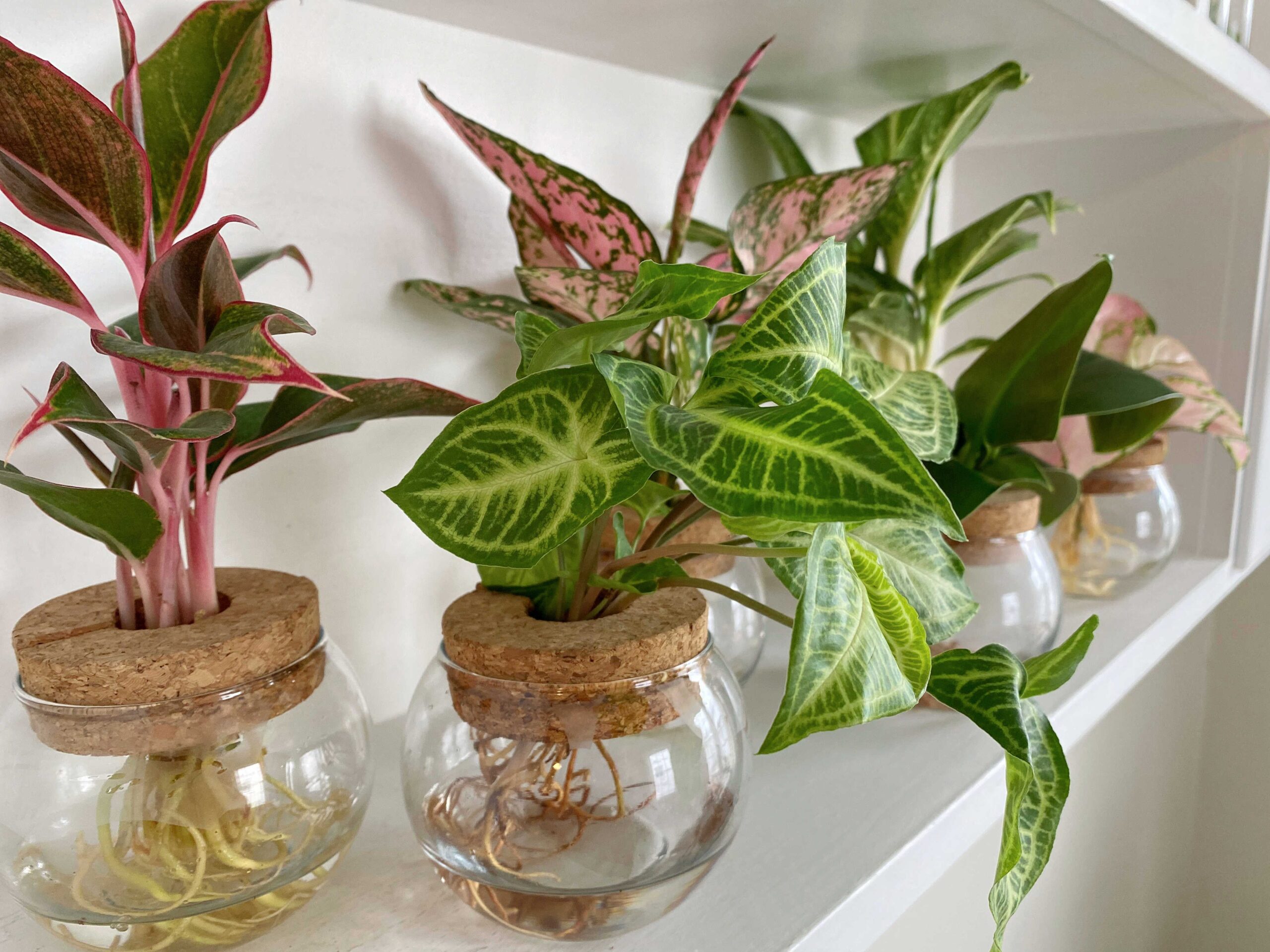
Proven Winners™ has introduced a new line of houseplants and cultivars called leafjoy®.
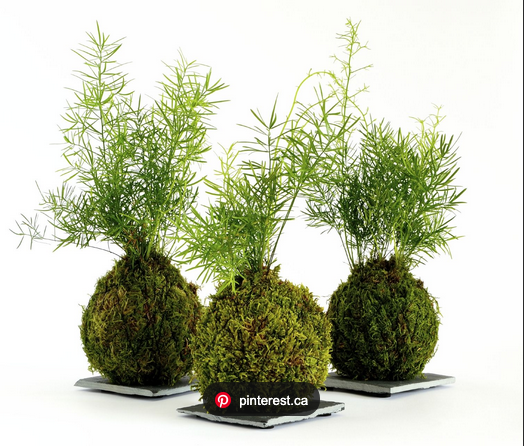
Kokedama is a decorative planting technique in which plants are grown in a compact, soil-filled, ball-wrapped natural fiber (such as coconut coir) and displayed without a traditional pot. The technique provides an artistic way to showcase orchids and other tropicals.
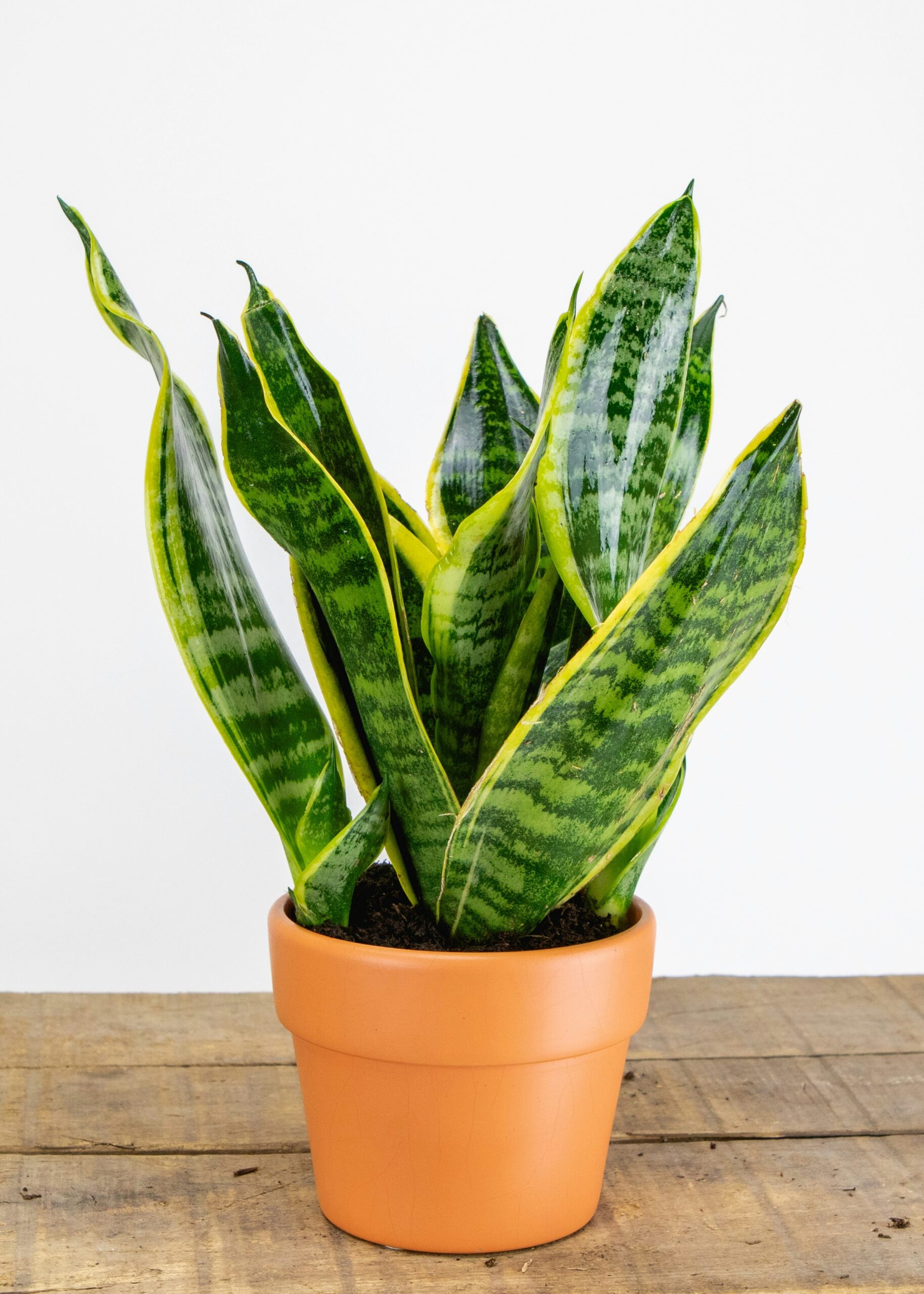
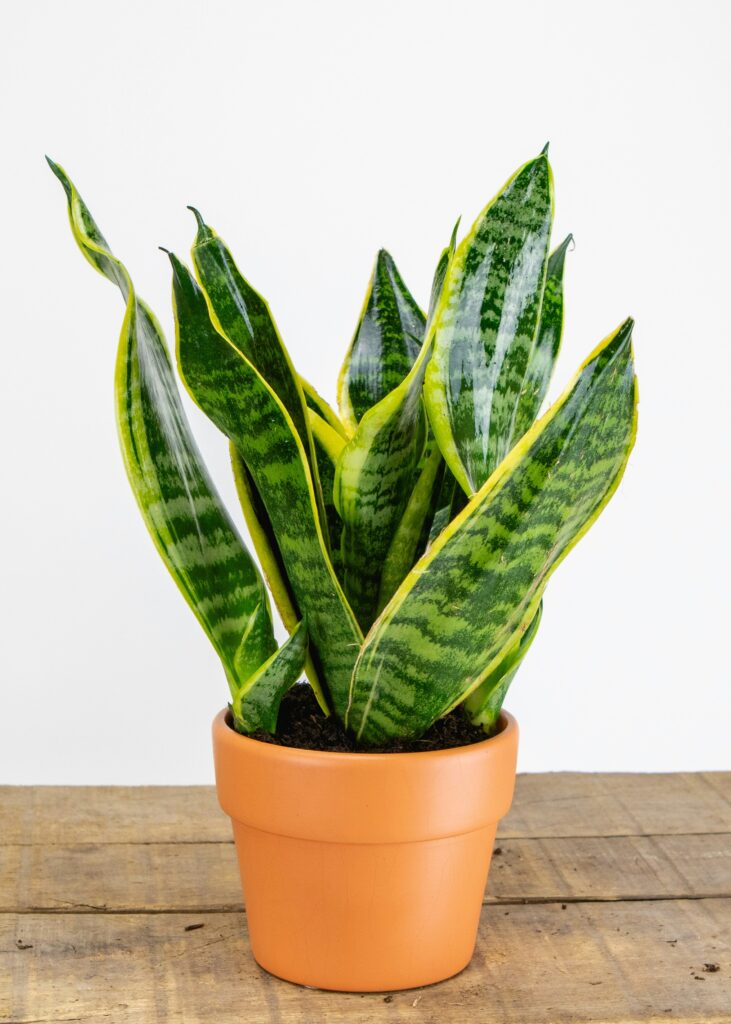
Sanseviera (syn. Draceana) continues to be a stalwart snake plant. New cultivars include ‘Pagoda Tower’, ‘Jewel Crown’, ‘Lili Put’, ‘Tiger Crown’ and ‘Hedgehog’, all of which offer unique foliage and easy maintenance.
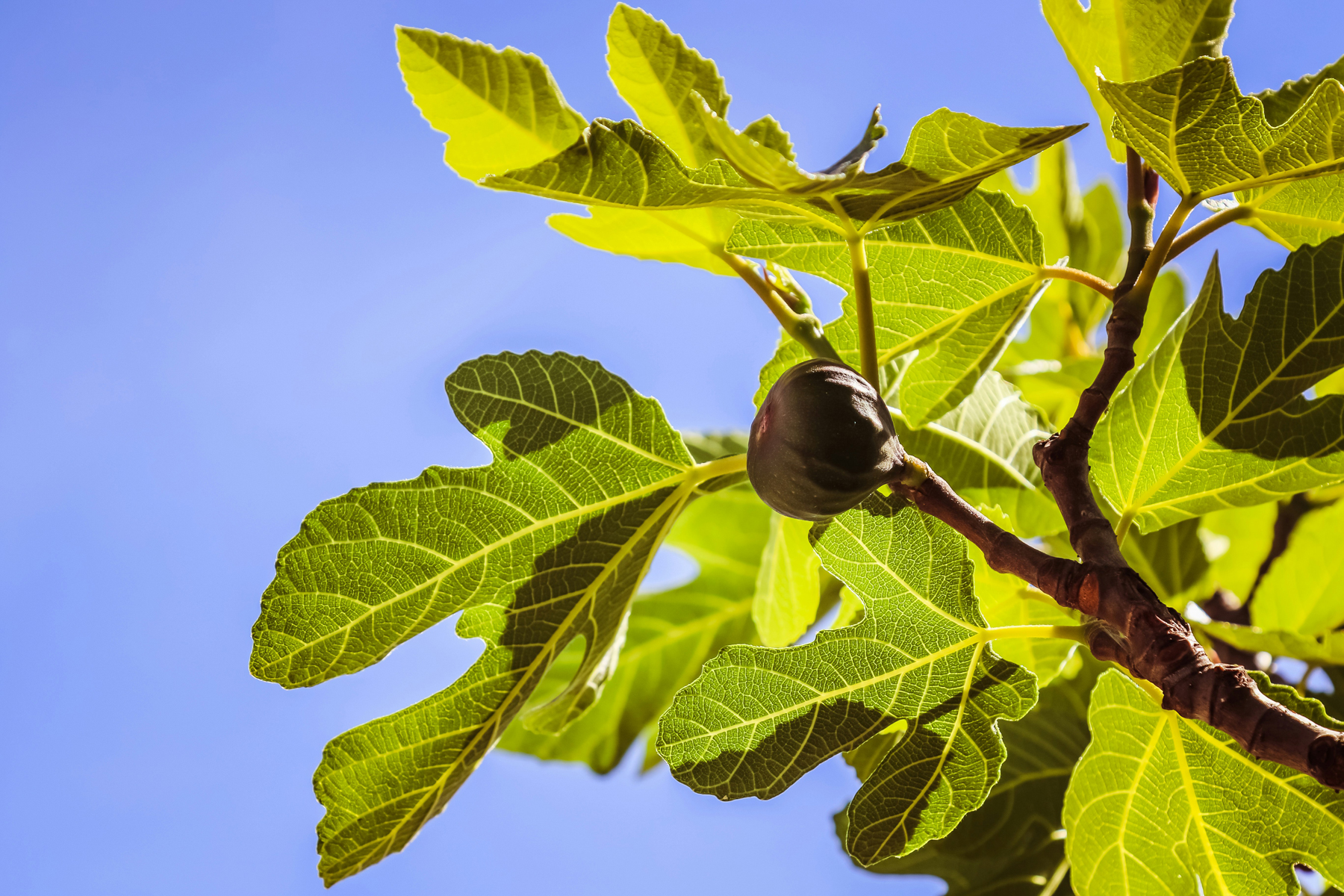
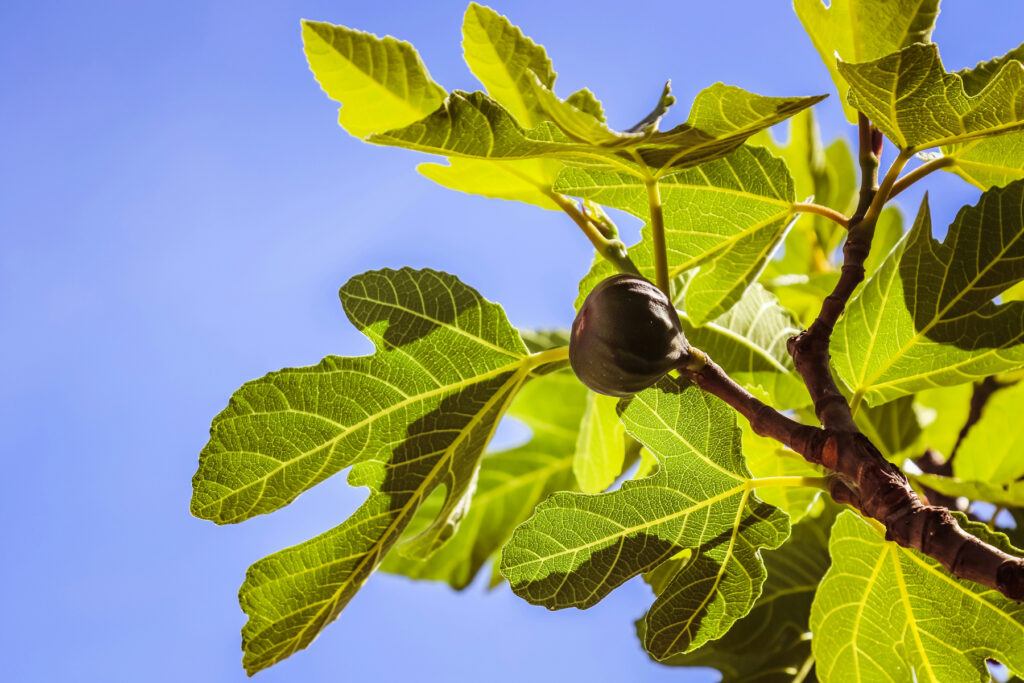
- FRUIT GROWING – Interest in home fruit growing continues to rise with several organizations hosting festivals and dedicated efforts to promote specific fruits. In Pennsylvania, for example, you can find renewed interest in the cultivation of the native paw paw, Asimina triloba. The Horn Farm Center for Agricultural Education in York County hosts an ever-expanding paw paw festival each fall. Heartwood Nursery in Felton hosts the annual Serviceberry Festival and in Philadelphia, the Philadelphia Orchard Project promotes the cultivation of all kinds of fruiting plants throughout the city. Some to consider planting on your property include: Diospyros kaki, Asian persimmon, ‘Saijo’, ‘Great Wall’, ‘Fuyu’
- AI AND GARDENING – Artificial intelligence is now influencing the garden. There are several garden-design applications that utilize AI, and many plant-identification apps also use AI to help people identify and learn about plants that they see in the wild. Undoubtedly, many have also seen fantastical images of hostas, elephant ears and other plants that seem otherworldly, with some sites offering to sell seeds for these plants. Many of these are AI generated, so it is important to do your due diligence and use AI as a tool but be aware of misinformation.
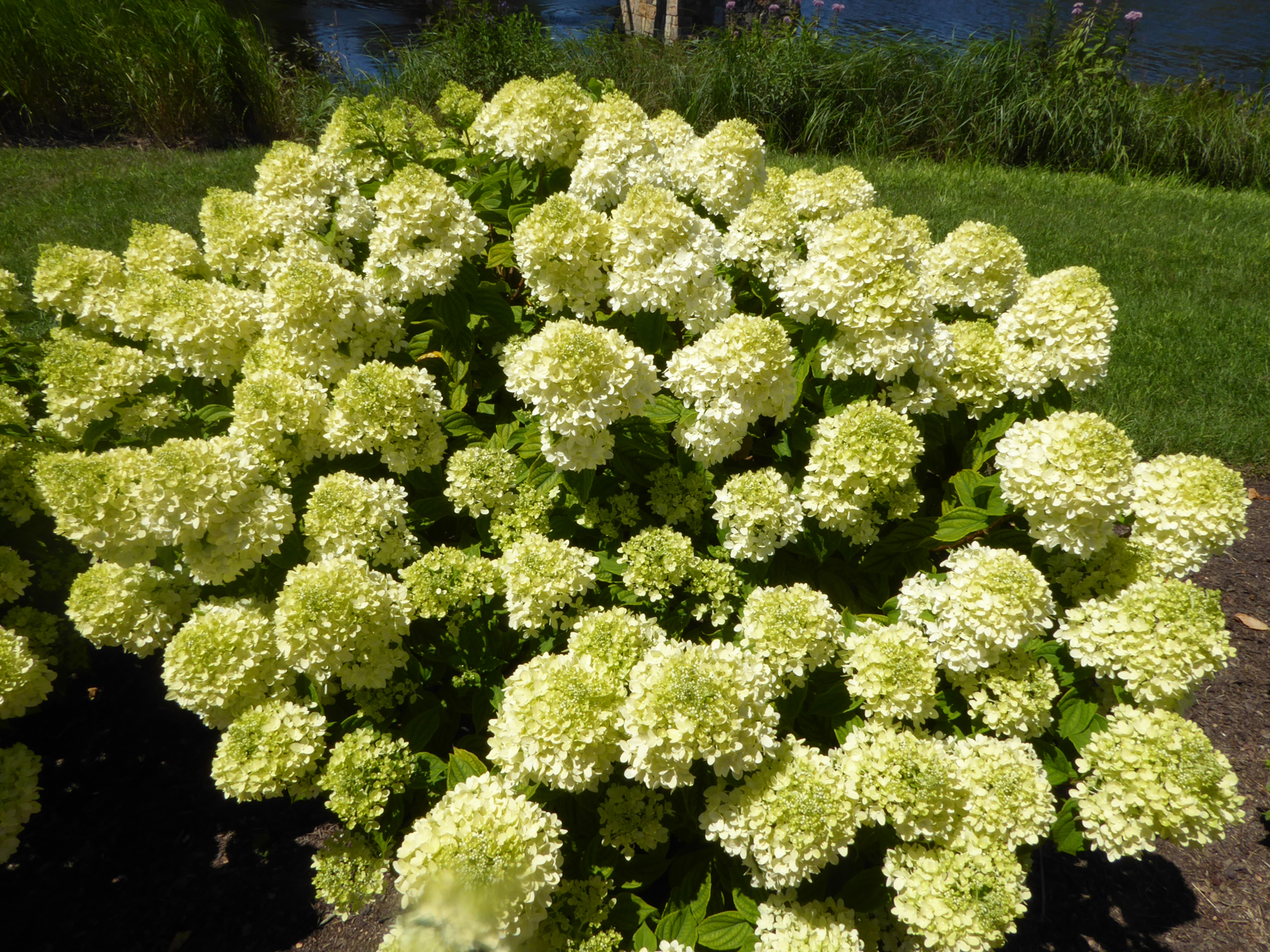
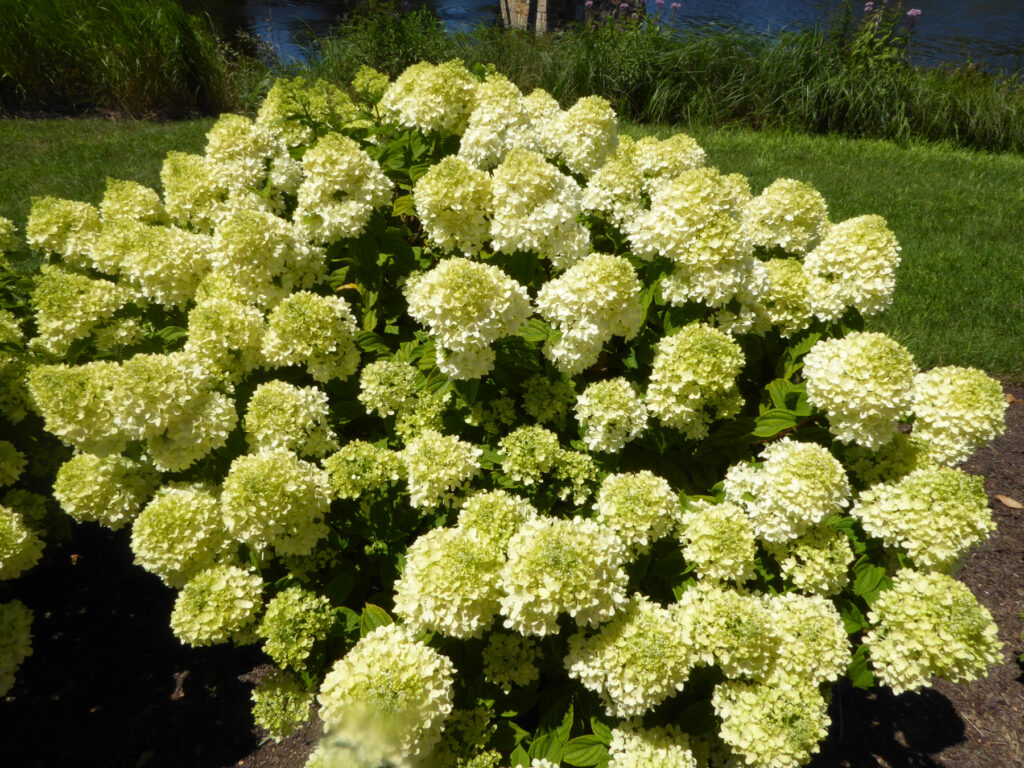
- HYDRANGEAS! – Over the past 20 years there has been a global resurgence in popularity of the once old-fashioned hydrangea. As a result, many of the world’s largest plant-breeding companies have had new hydrangea introductions each year. At CULTIVATE, a yearly global tradeshow held in Columbus, Ohio, many new hydrangeas are showcased for the first time. The 2025 new plants included First® Editions Hydrangea paniculata Spring Sizzle® and from Bloomin’ Easy, Hydrangea paniculata Bubble Bath™. Native hydrangeas, including selections of the smooth hydrangea, Hydrangea arborescens and oakleaf hydrangea, Hydrangea quercifolia, remain popular.
- GARDENS THAT SUPPORT ECOLOGY – There are many trends that support creating gardens that benefit the environment and support a host of ecological functions.
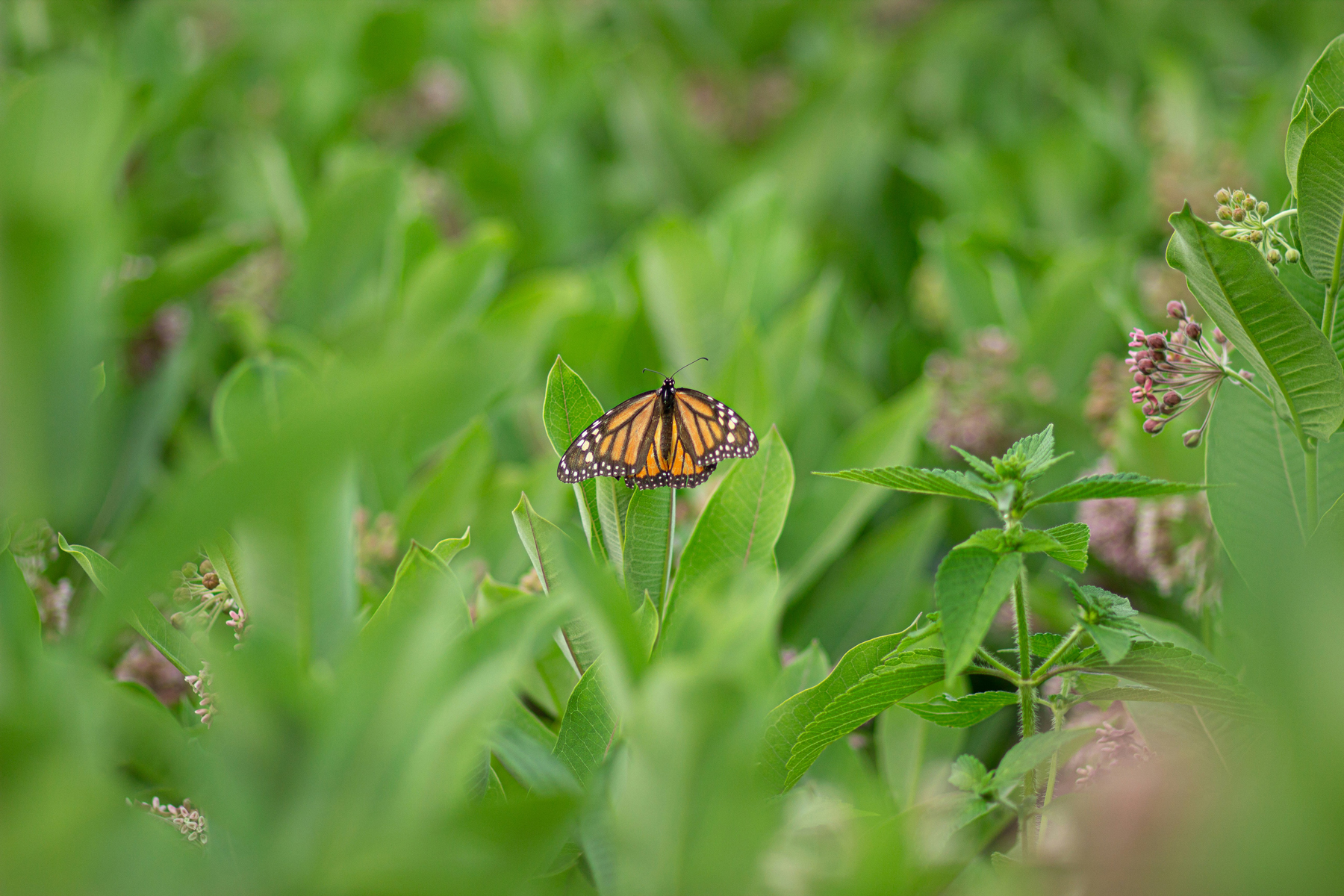
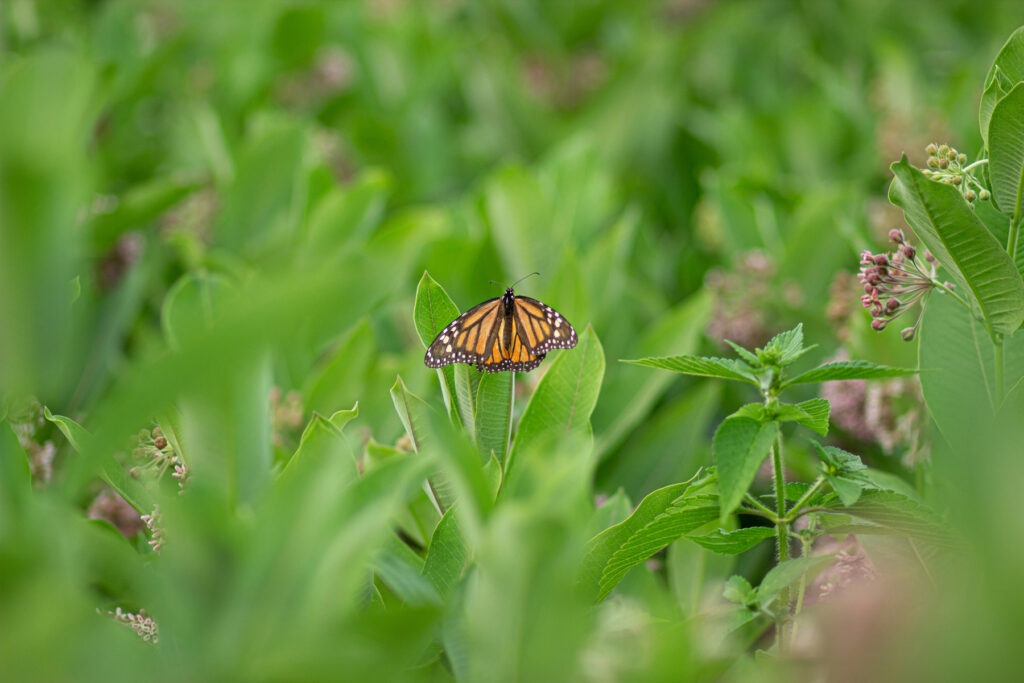
Native plants remain essential, especially pollinator-friendly species like butterfly milkweed, Asclepias tuberosa, which attracts the threatened Monarch butterfly. Gardeners are also reducing lawn areas and adopting practices like “leaving the leaves” to create habitat for overwintering insects.
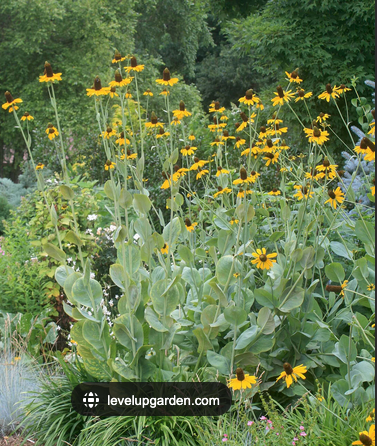
The PHS Gold Medal Program highlights exceptional trees, shrubs and perennials that support ecological health. The program has awarded plants such as Aronia arbutifolia ‘Brilliantissima’ (chokeberry) and Rudbeckia maxima (giant coneflower), both of which provide important food sources for birds.
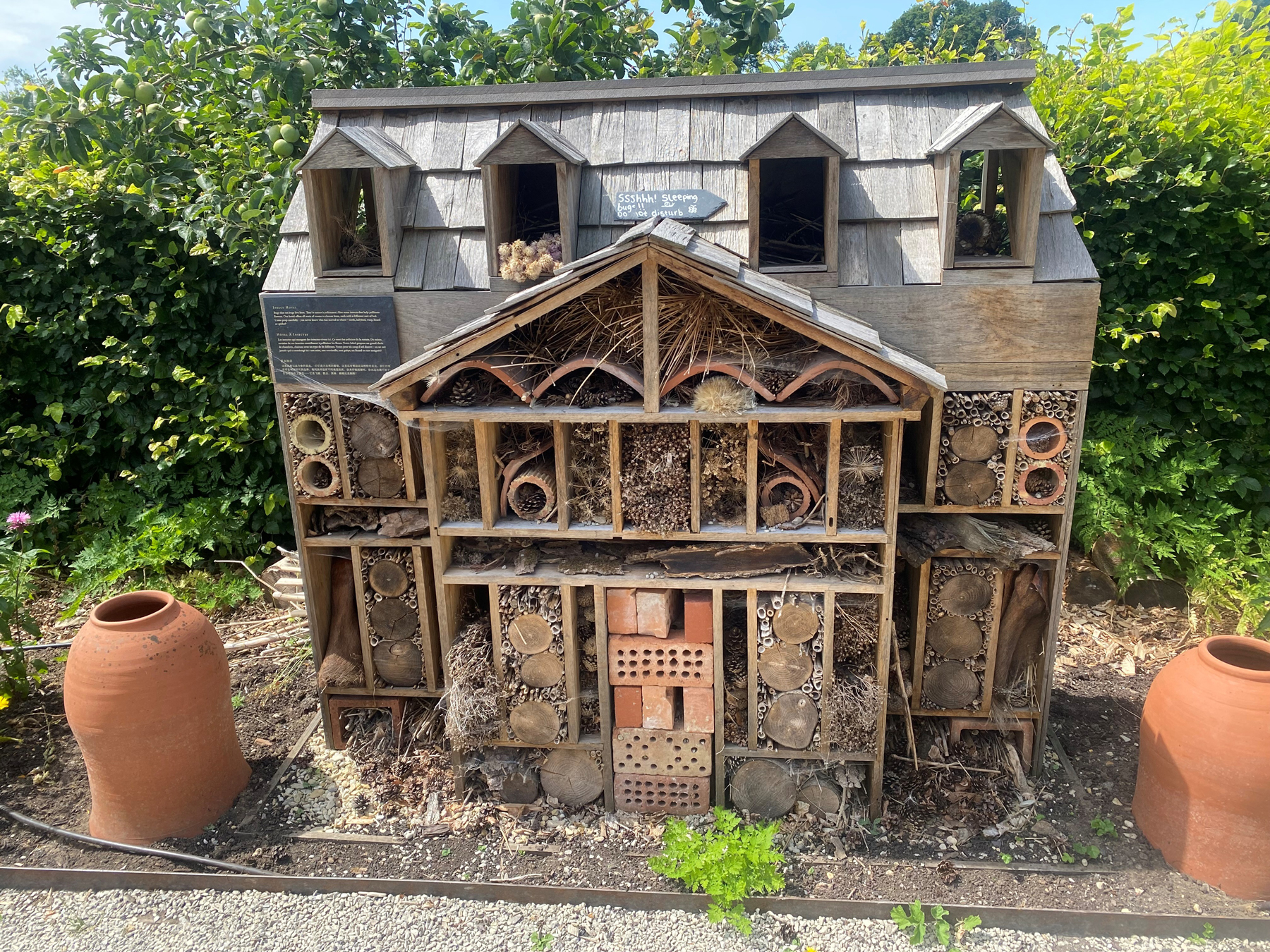
Habitat piles are aesthetically arranged piles of decaying twigs, branches and perennial stems that offer shelter for insects, mammals and birds. Many gardeners are also adding creative “bee hotels” to support solitary bees.
Rooted: Origins of American Gardening will be held at the Pennsylvania Convention Center in Philadelphia, February 28-March 8. The show will offer it all: exhibits, competitions, tours, educational programs, special events and shopping. Hours are 10 a.m.-8 p.m. each day, closing at 6 p.m. on March 8. 1101 Arch St., Philadelphia. Information: Phsonline.org
Leave a Reply