Head for Charm City and explore Rachel Lee Hovnanian: Nature Deficit Disorder, an immersive installation being held at the Baltimore Museum of Art (BMA) that invites visitors to disconnect from digital life and reconnect with nature.
BMA copy per a press release. Photos: BMA and Social Media
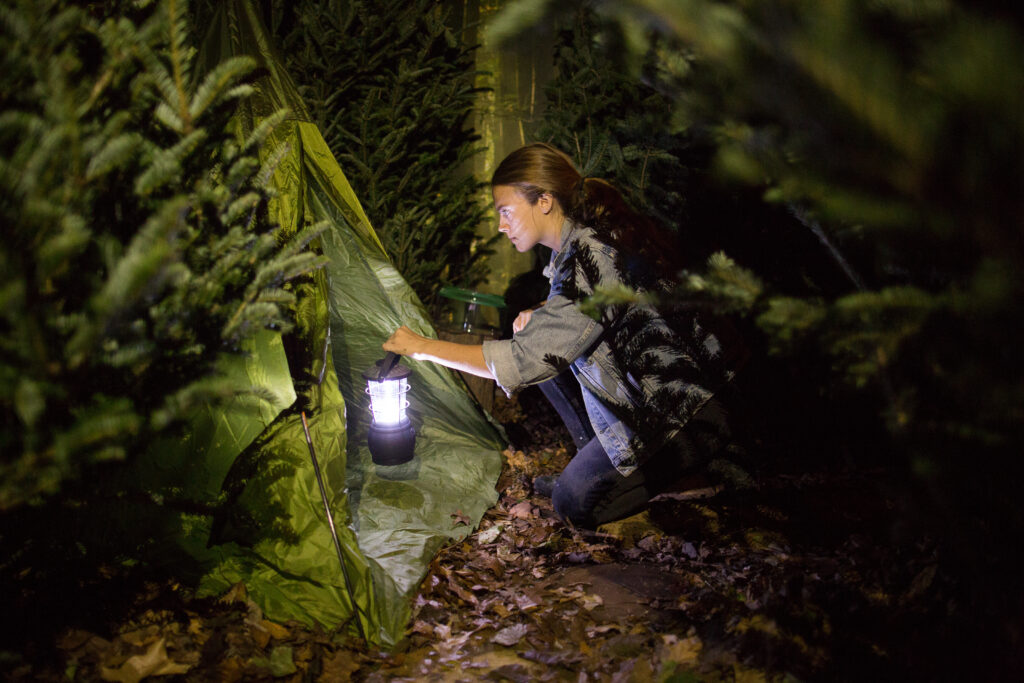
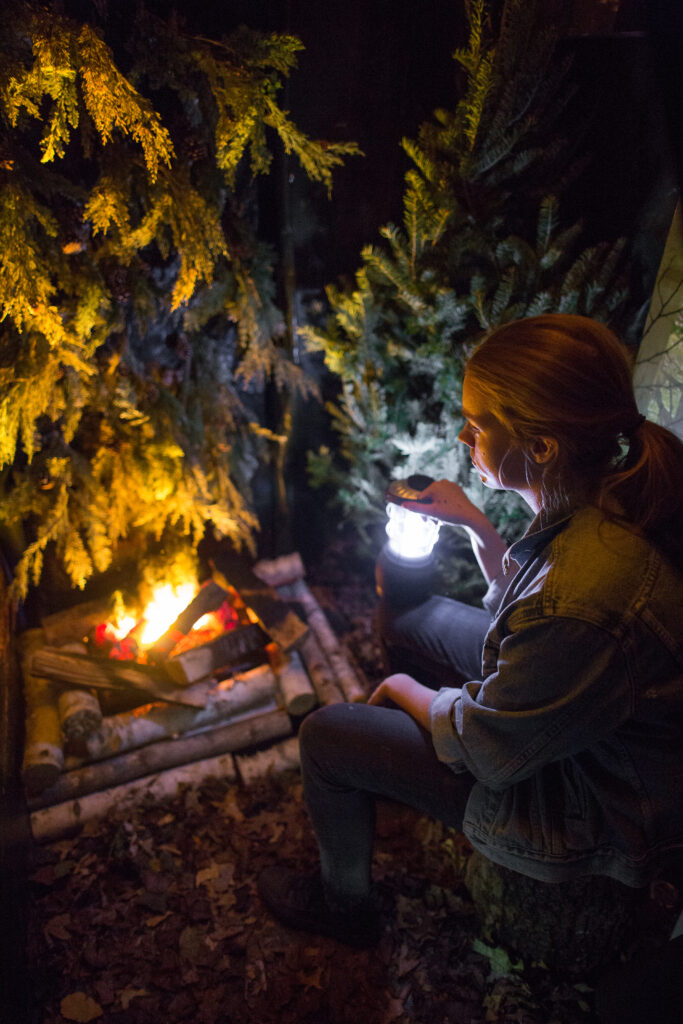
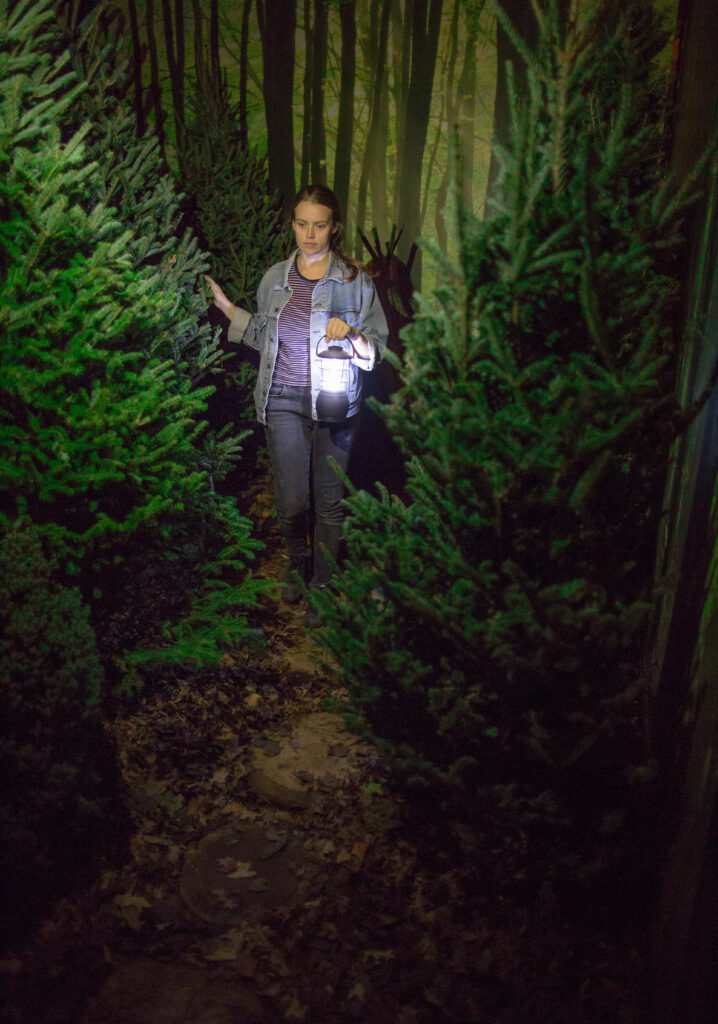
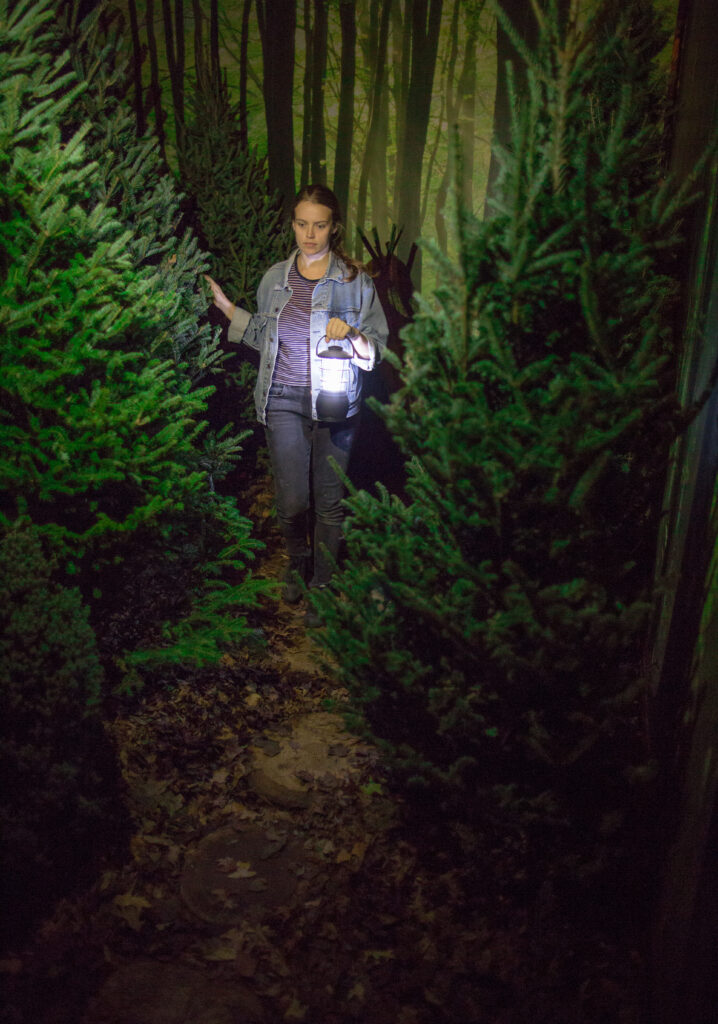
The Baltimore Museum of Art (BMA) announces the presentation of conceptual artist Rachel Lee Hovnanian’s immersive installation, Nature Deficit Disorder, on view in the museum’s historic Spring House from April 1 through May 31. This evocative work invites visitors to pause, surrender their phones, and step into a simulated nighttime forest — a space designed to encourage mindfulness and reconnection with the natural world.
The presentation at the BMA marks Hovnanian’s first solo museum installation and continues her decades-long engagement with the effects of technology on our lives. The installation draws its title from a term coined by journalist Richard Louv to describe the growing disconnection from nature and its impact on mental health and attention spans — a conversation that is growing in urgency as digital overstimulation is increasingly recognized as detrimental to human wellbeing.
The visitor’s experience begins prior to entering the Spring House when staff dressed in lab coats collect and lock away each visitor’s surrendered phone. By requiring visitors to temporarily give up their phones, the work creates an intentional break from technology, offering a contemplative experience that invites visitors to be present in the moment and connect with the environment. This is a nod to Hovnanian’s investigation of a broader culture that often seeks quick, synthetic fixes over the benefits of more natural approaches.
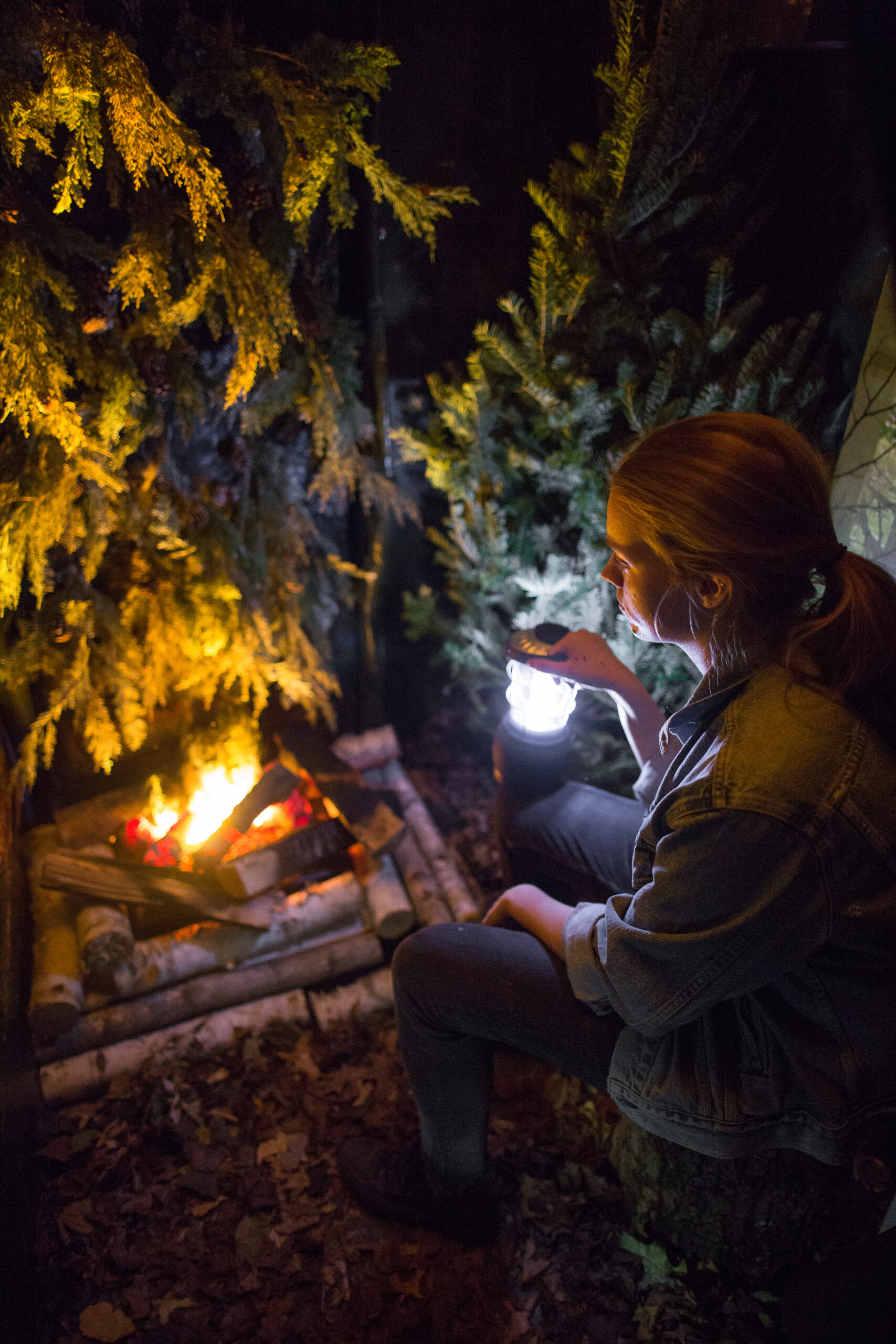
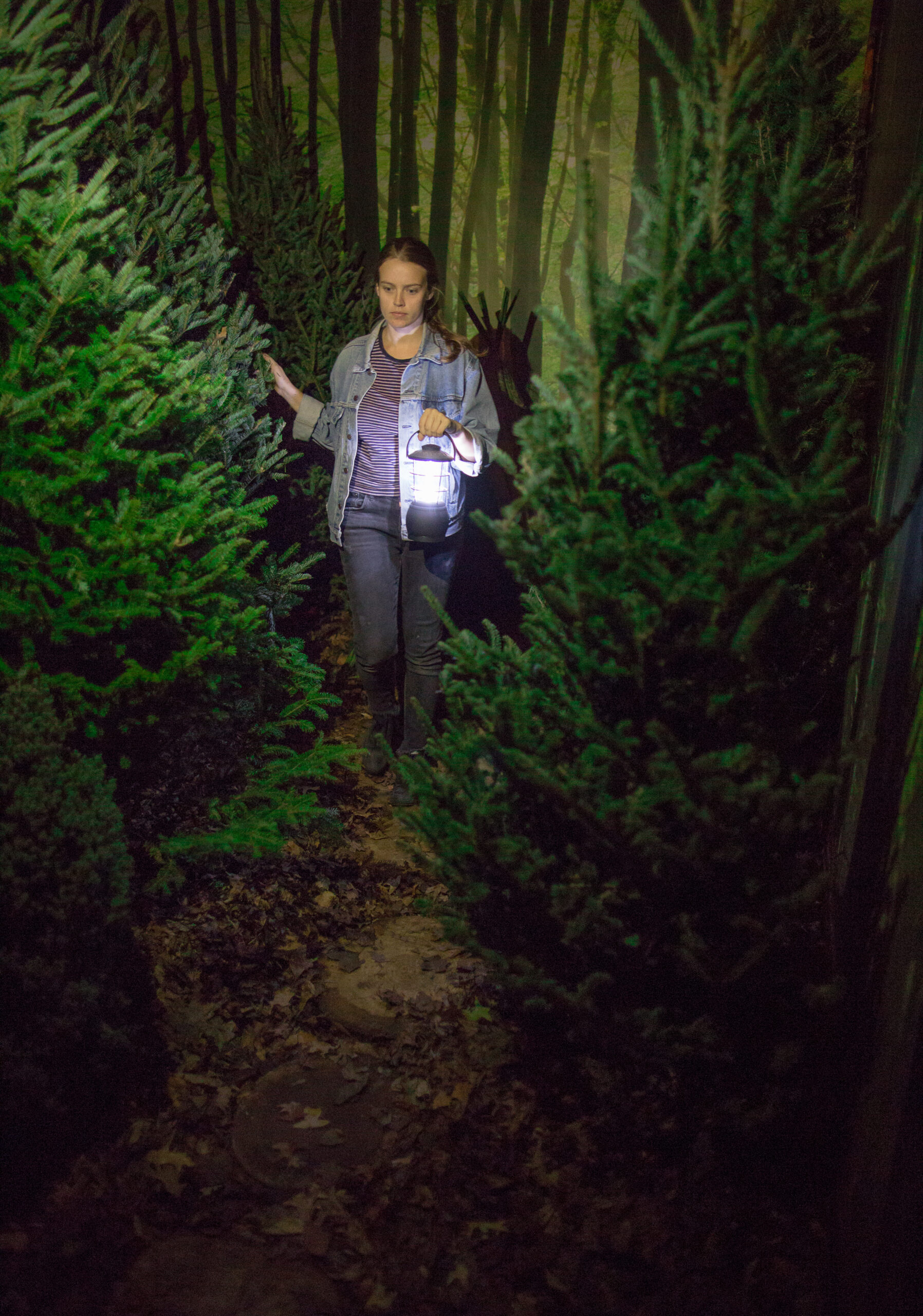
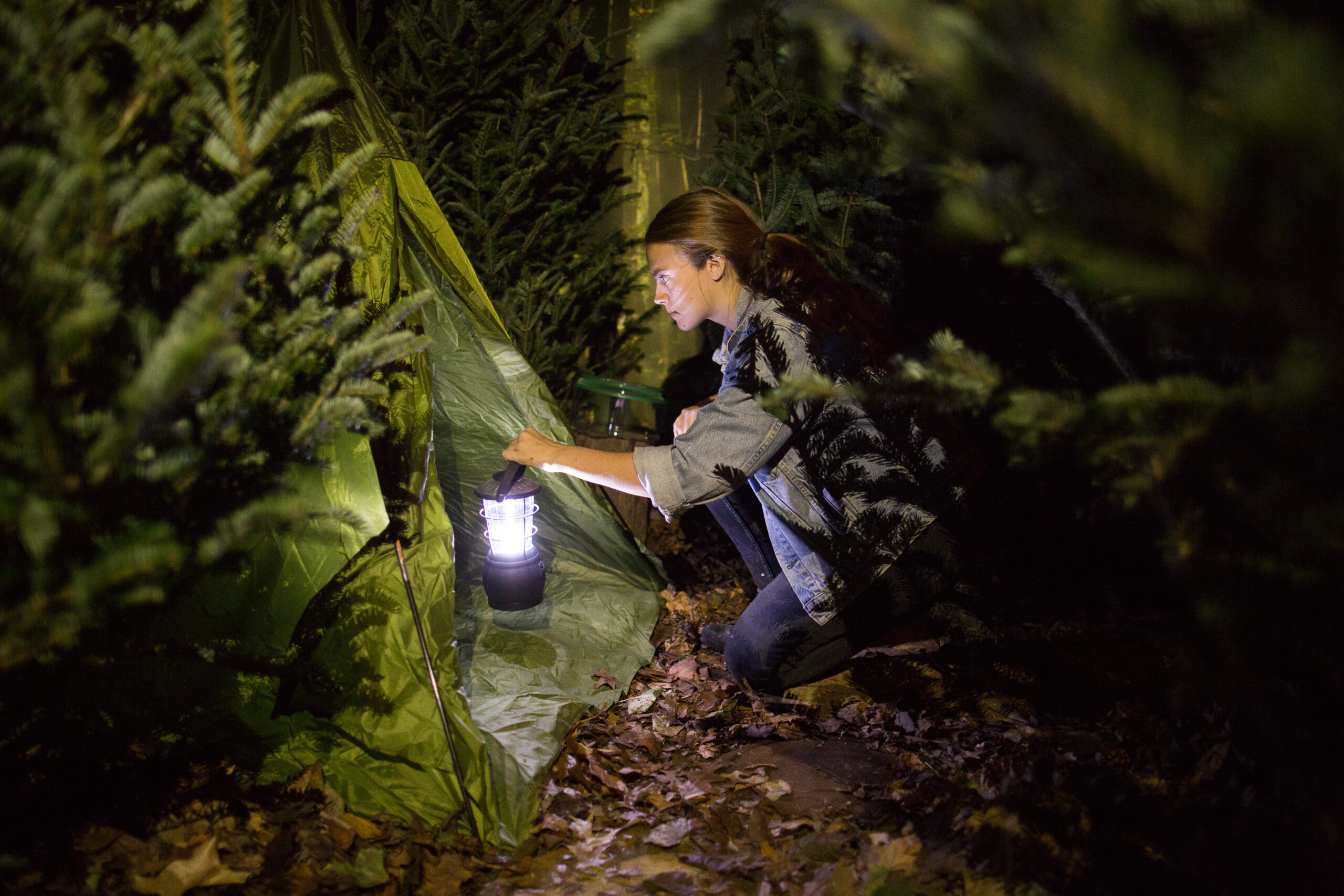
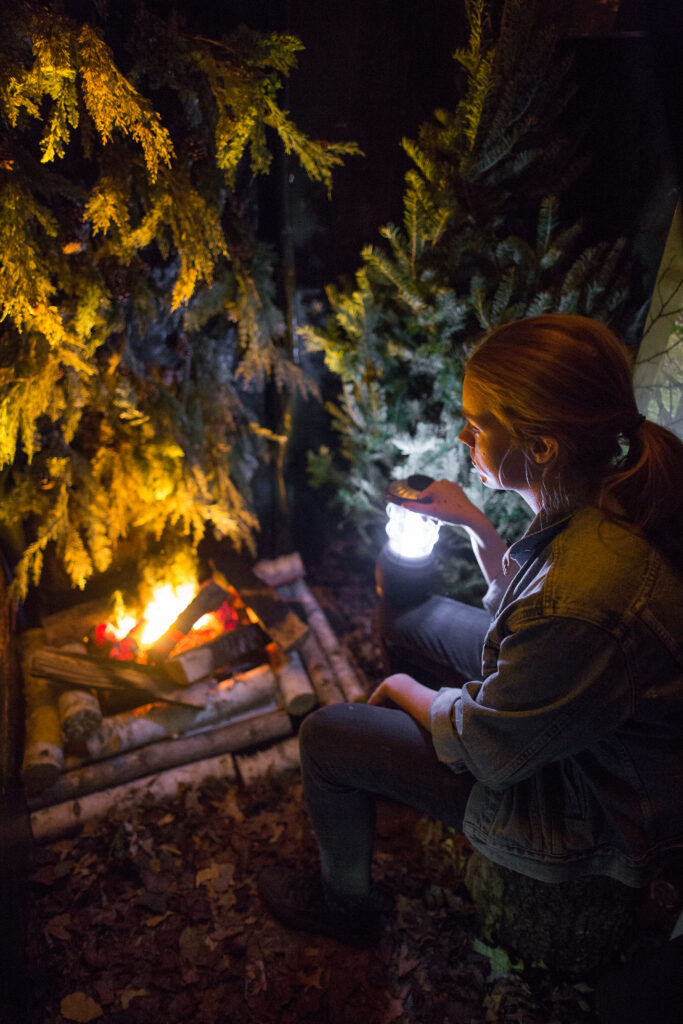
Inside the immersion room, visitors will encounter fir trees, live insects, crunching leaves and a faux campfire, illuminated only by lantern light.
As visitors exit the space, they will be given soil and seeds to take home with them, transforming the immersive encounter into an ongoing, embodied act of care. This final gesture reinforces the work’s central themes by inviting participants to cultivate a living connection to the natural world long after they leave the Spring House.
“My work has long explored how technology shapes attention, mental health, and human connection. This installation emerged from my observations of society’s growing digital dependence, alongside my own experience of it,” says Hovnanian. “What do we lose when our lives are constantly mediated by screens? I hope to offer a pause — an invitation to rediscover how it feels to be fully present.”
Hovnanian’s installation is the final exhibition presented as part of the BMA’s Turn Again to the Earth initiative, a multi-year effort that models commitments to sustainability and fosters dialogue on climate change. Through exhibitions, programs and a citywide eco-challenge, the initiative explores the intersections of art and ecology, as well as approaches to a more sustainable future. Nature Deficit Disorder amplifies these goals by inviting audiences to consider the psychological and cultural consequences of estrangement from nature and the urgent need to restore balance in an increasingly digitized world. “For more than a year, the BMA has served as a site of active dialogue about the environment, sustainability, and the important role that art can play in spurring engagement and action. Hovnanian’s installation beautifully embodies the vision that has guided our work for Turn Again to the Earth as it offers a powerful and intimate experience for visitors,” notes Asma Naeem, Dorothy Wagner Wallis Director of the BMA. “It reminds us that sustainability is not only about systems and structures — it begins with our own relationship to the natural environment.”
Rachel Lee Hovnanian: Nature Deficit Disorder is curated by Katie Cooke, BMA Manager of Curatorial Affairs. The exhibition is supported by the Ford Foundation.
About Rachel Lee Hovnanian
The BMA writes in a press release: Rachel Lee Hovnanian is a conceptual artist working across sculpture, installation, painting and performance. Her work engages with universal issues of our time, namely the disconnection and isolation caused by digital addictions and our relentless pursuit of beauty and perfection. Hovnanian explores the inauthentic veneer of contemporary life, with her work consistently exposing the tension between the real and the unreal. Hovnanian received her Bachelor of Fine Arts from the University of Texas at Austin and completed postgraduate studies at Parsons School of Design in New York. Her work is held in numerous private collections and has been exhibited in galleries and institutions internationally across the United States, Asia, Europe, and the Middle East. Select venues include the 59th Biennale di Venezia (Venice); Chiesa e Chiostro Di Sant’Agostino (Pietrasanta); The Medici Palace (Seravezza); and the Ann Norton Museum and Sculpture Gardens (West Palm Beach), among others. In February 2026, Hovnanian’s work was included in the group exhibition, The Painted Word: Text, Gesture, and Expression in Contemporary Art at Lehman Art Gallery in New York. Born in Parkersburg, West Virginia, and raised in Houston, Texas, Hovnanian divides her time among Miami, New York and Italy.
Baltimore Museum of Art
Founded in 1914, the Baltimore Museum of Art (BMA) inspires people of all ages and backgrounds through exhibitions, programs, and collections that tell an expansive story of art — challenging long-held narratives and embracing new voices. BMA’s outstanding collection of more than 97,000 objects spans many eras and cultures and includes the world’s largest public holding of works by Henri Matisse; one of the nation’s finest collections of prints, drawings and photographs; and a rapidly growing number of works by contemporary artists of diverse backgrounds. The museum is also distinguished by a neoclassical building designed by American architect John Russell Pope and two beautifully landscaped gardens featuring an array of modern and contemporary sculpture.
Gertrude’s Chesapeake Kitchen
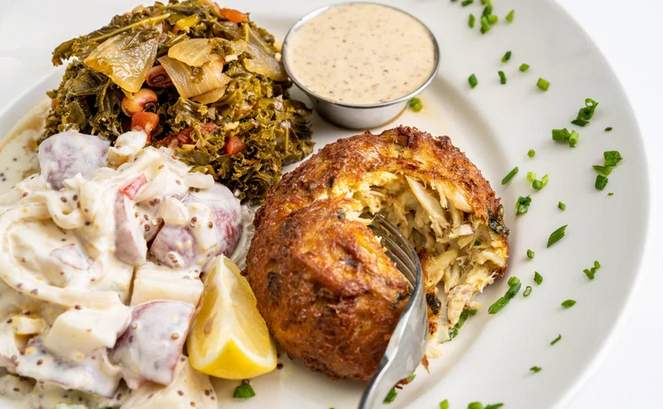
Yes, the museum is home to a restaurant: Gertrude’s Chesapeake Kitchen. Lauded by Food & Wine, Travel & Leisure, The Washington Post, Edible DC, The Baltimore Sun, and a multi-year winner of Baltimore Magazine’s “Best of Baltimore”, Gertrude’s serves locally sourced farm-fresh food that preserves Chesapeake culinary traditions. The main dining room overlooks a sculpture garden featuring works by Alexander Calder, Isamu Noguchi and Auguste Rodin. Founded by John Shields and John Gilligan in 1998, the restaurant was on the vanguard of the farm-to-table movement and continues to maintain decades-long relationships with Maryland farms and fisheries. Serving lunch, brunch and dinner (including a special Thursday-night menu).
For more information, visit gertrudesbaltimore.com.
BMA Visitor Information
Located a 10 Art Museum Drive in Baltimore (three miles north of Inner Harbor), general admission to the BMA is free. The BMA is open Wednesday-Sunday, 10 a.m.-5 p.m., with extended hours on Thursdays (9 p.m.). The Sculpture Gardens are open Wednesday-Sunday, 10 a.m.-dusk. (The museum is closed major holidays.)
For more information, visit artbma.org.
Need More Nature?
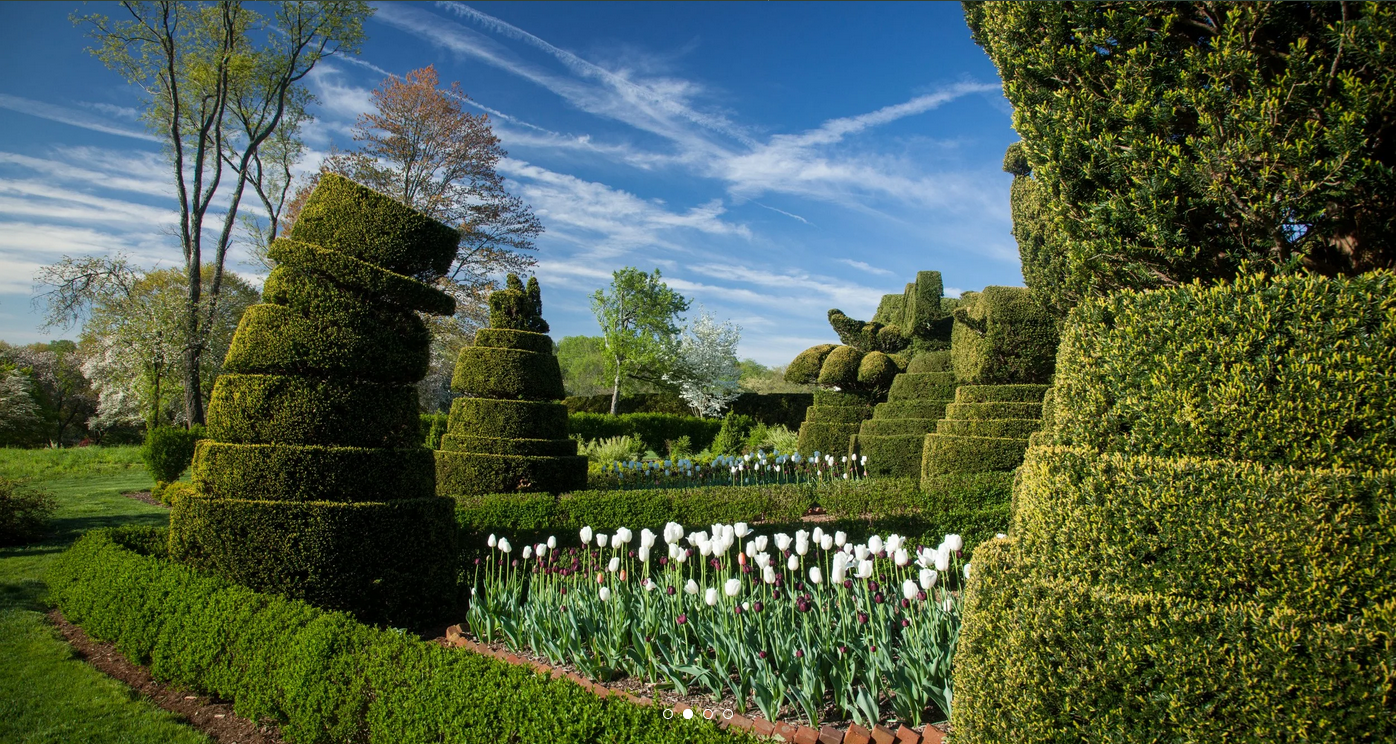
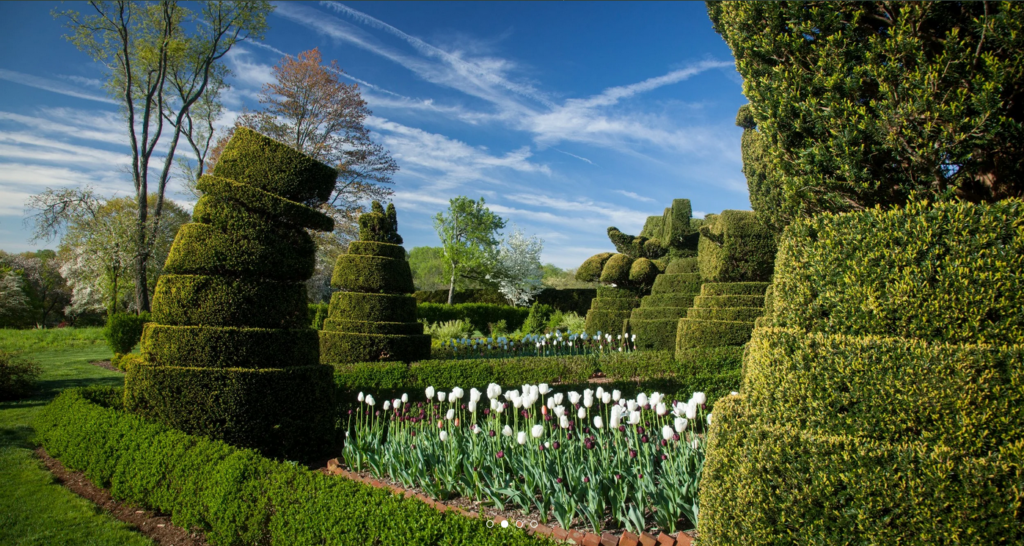
Not far from Baltimore, in Monkton, is the historic estate, Ladew Gardens. Purchased in 1929 by Harvey S. Ladew, the farm allowed him to pursue his love of gardening, art and architecture. Now considered a “historical sanctuary,” Ladew is home to the Manor House, a mile-long Nature Walk trail, a butterfly house, acres of gardens and the main draw, 100-plus topiaries that dot the acreage.
Ladew is open daily (with the exception of Wednesdays), April 2 through October 31. A major fundraiser, the annual Garden Festival, will take place May 2. Vendors from the region will be on hand to offer a wide range of plants, garden ornaments, antiques and other garden-related items.
For more information, visit ladewgardens.com.
Leave a Reply