
Small Towns and Adventures Along the Susquehanna River
Maps intrigue me. I trace the lines representing roads and waterways, finding questions about life and topography, and dreaming about how I might get there myself. One afternoon, I followed the Susquehanna River on Google Maps as it ran through New York and Pennsylvania, and I decided tracing the online map with my cursor was not enough. I set out to find the Susquehanna’s source and, over several years, visit a few small river towns.
From its headwaters in Otsego Lake in Cooperstown, New York, to our own stretch separating Lancaster and York counties, this is the river’s journey south. Along my segmented road trip, I found the echoes of baseball legends and brewing magnates, forgotten landscapes and thriving hamlets, and a renewed respect for the river. It flows through the spirit of every Lancastrian. Whether Susquehanna appears in a local business name or serves as recreation, a landmark or pastime, we all share a fundamental connection to this waterway.
The Headwaters
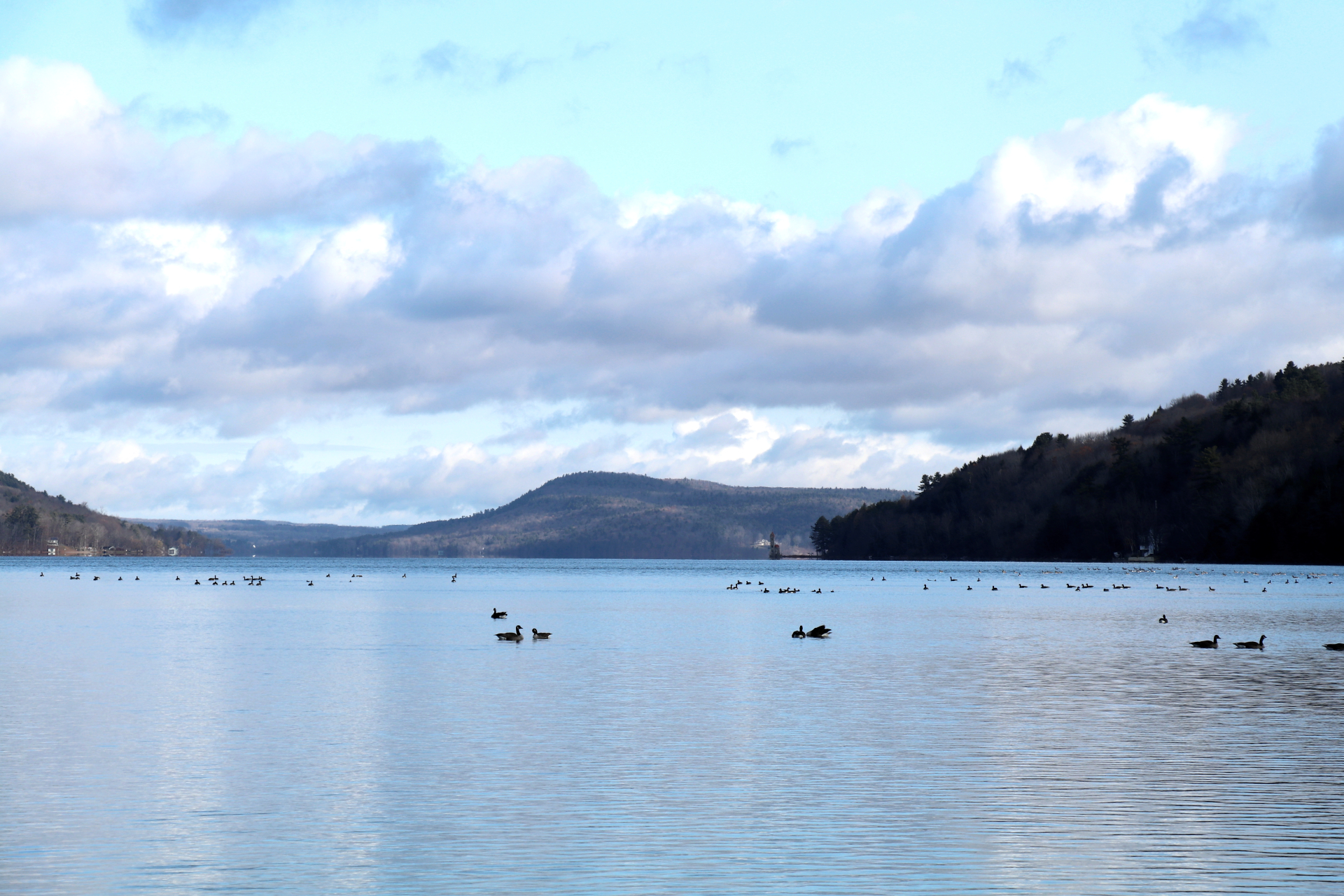
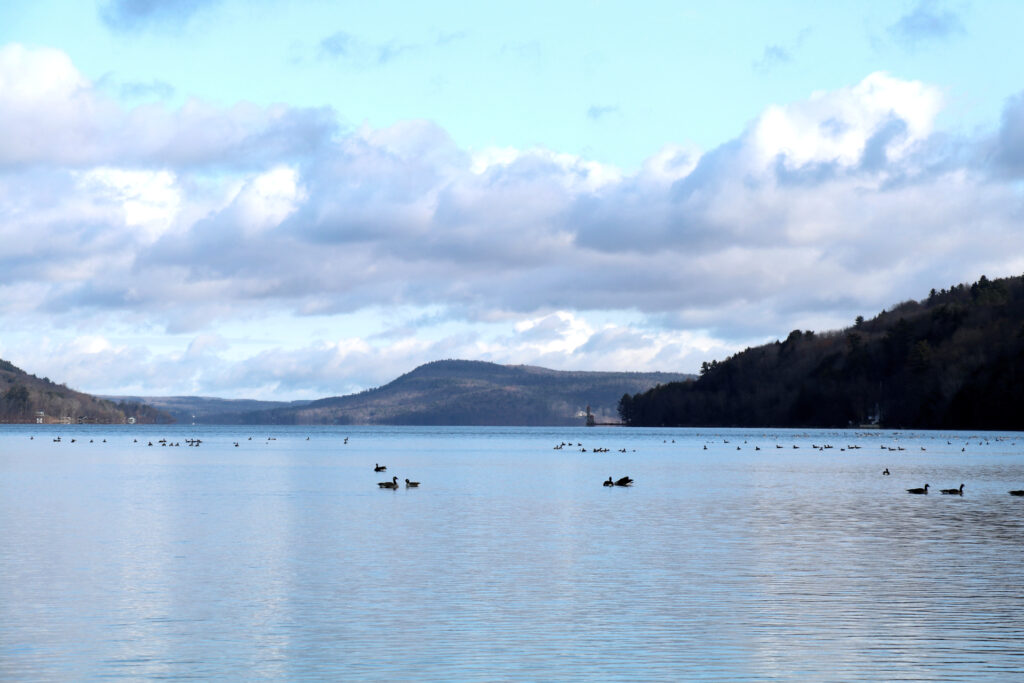
The lobby of the Otesaga Resort Hotel in Cooperstown, New York, offers an overlook of Otsego Lake, its pristine shoreline preserved by the Cooperstown Historic District. Listed on the National Register of Historic Places in 1980, the district protects the area made famous by The Last of the Mohicans author James Fenimore Cooper. In novels like The Deerslayer, Cooper fictionalized the names of families (including his own) and landmarks; he called the lake Glimmerglass (now the name of the area’s premiere theatre festival). As far as I know, Otsego is the only lake, in its entirety, protected as an historic place.
“This area has a strong tradition of conservation,” says Dr. Florian Reyda, director of SUNY Oneonta’s Biological Field Station, when we met at the resort under the vaulted ceilings and among appointments harkening back to the opulence of yesteryear. Massive windows and doors lead to a spacious porch where couples sit on white wooden rockers enjoying the still morning and sprawling lakeside view. “Our greatest asset in this region is access to nature … and the lake is constantly changing.”
Florian’s research at SUNY explores aquatic biodiversity and evolution, with fieldwork spanning from New York to South America. He works closely with undergraduate researchers at the nearby field station to gather deeper insights into the lake’s ecosystem. Joining us is Ellen Pope, executive director of Otsego 2000, an environmental preservation nonprofit established in 1981 by a descendant of Cooper to safeguard the lake’s – and Cooperstown’s – landscape.
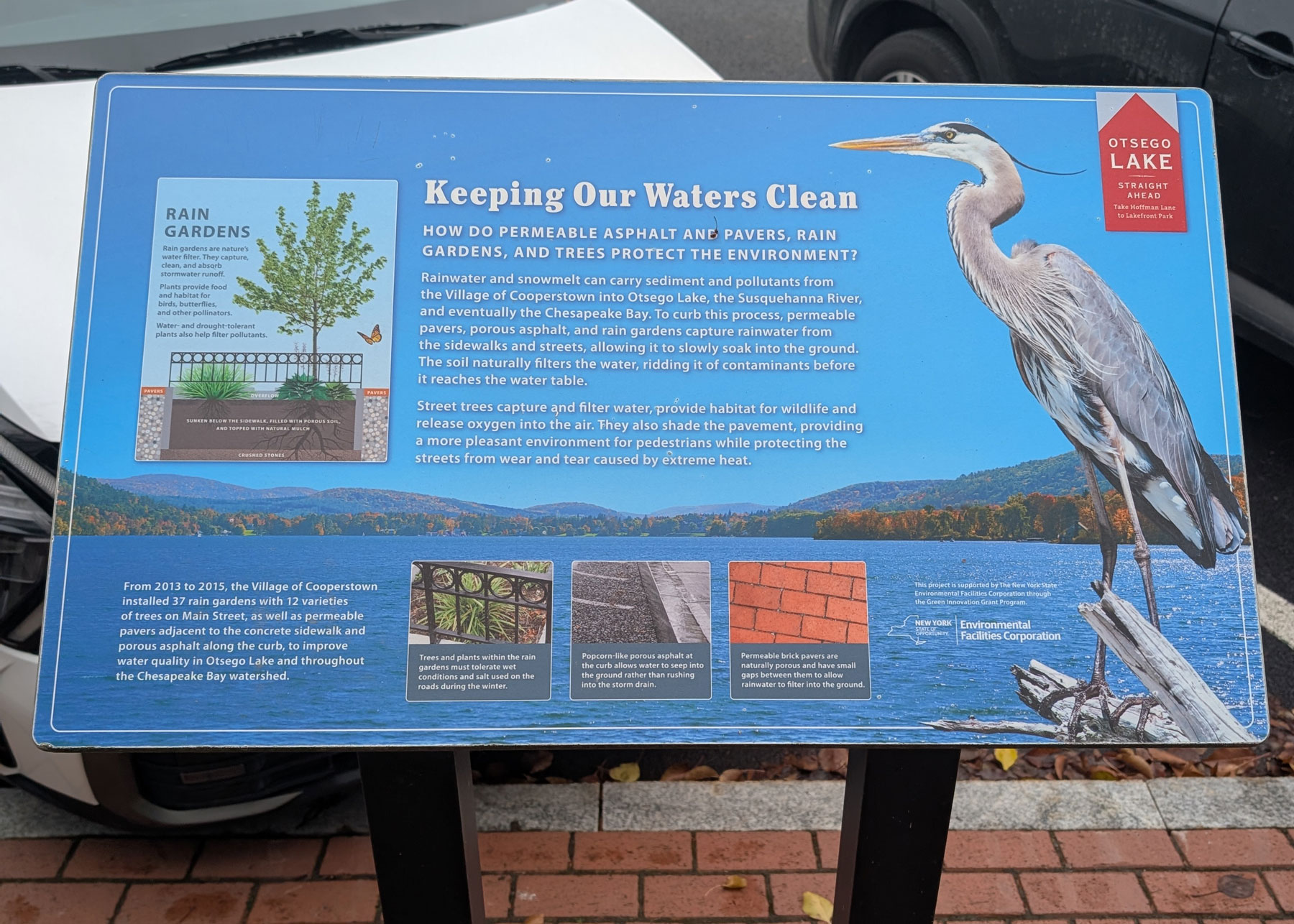
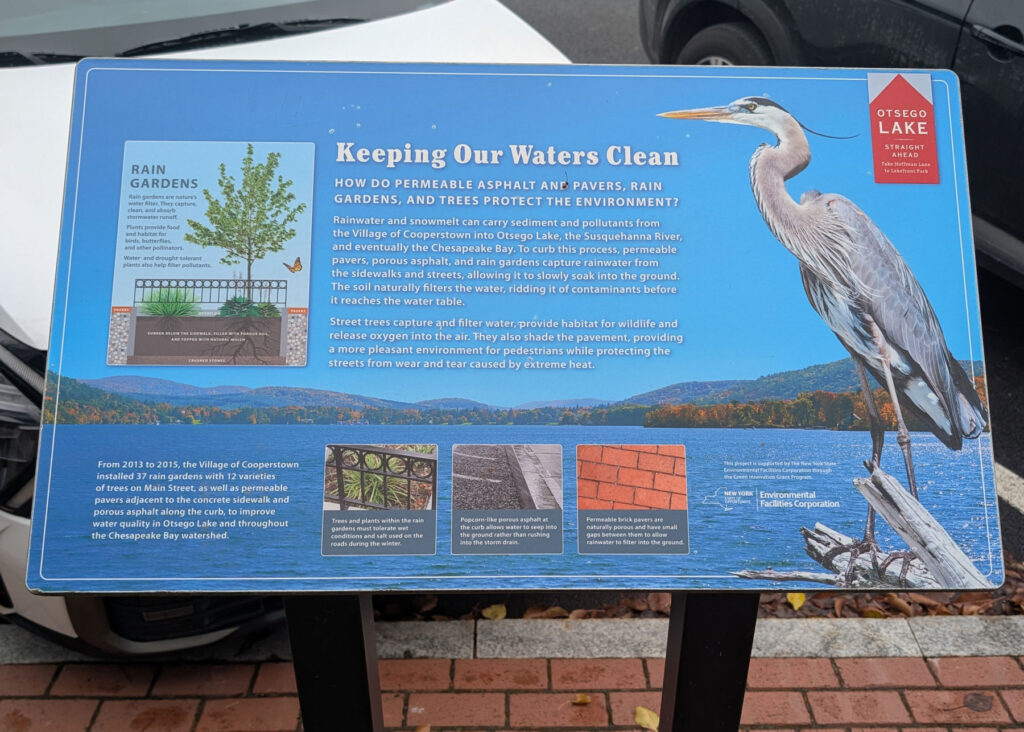
“We are about the whole of the environment, including our forests, farms, buildings … which surround the lake,” says Ellen, unfolding a hand-drawn map of the historic district from a massive binder. The area surrounding the lake – from the lawn of this Historic Hotel of America to the ridgeline dotted with sugar maples and American beech trees – is protected by Otsego 2000. The National Registry designation cites Cooper’s literary connection with the lake and gives the nonprofit teeth to fight encroachment by the state or private developers. “The lake and the village are connected. And everything is connected to the water.… Our citizenry is very much aware of the area’s connection to the Chesapeake Bay watershed.”
Florian nods and adds, “My kids grew up in the Unatego Central School District (25 miles south of Cooperstown), and their school song is about the Susquehanna. There are a lot of human changes as you go down the river, and we take pride in the headwaters and the quality of our water.”
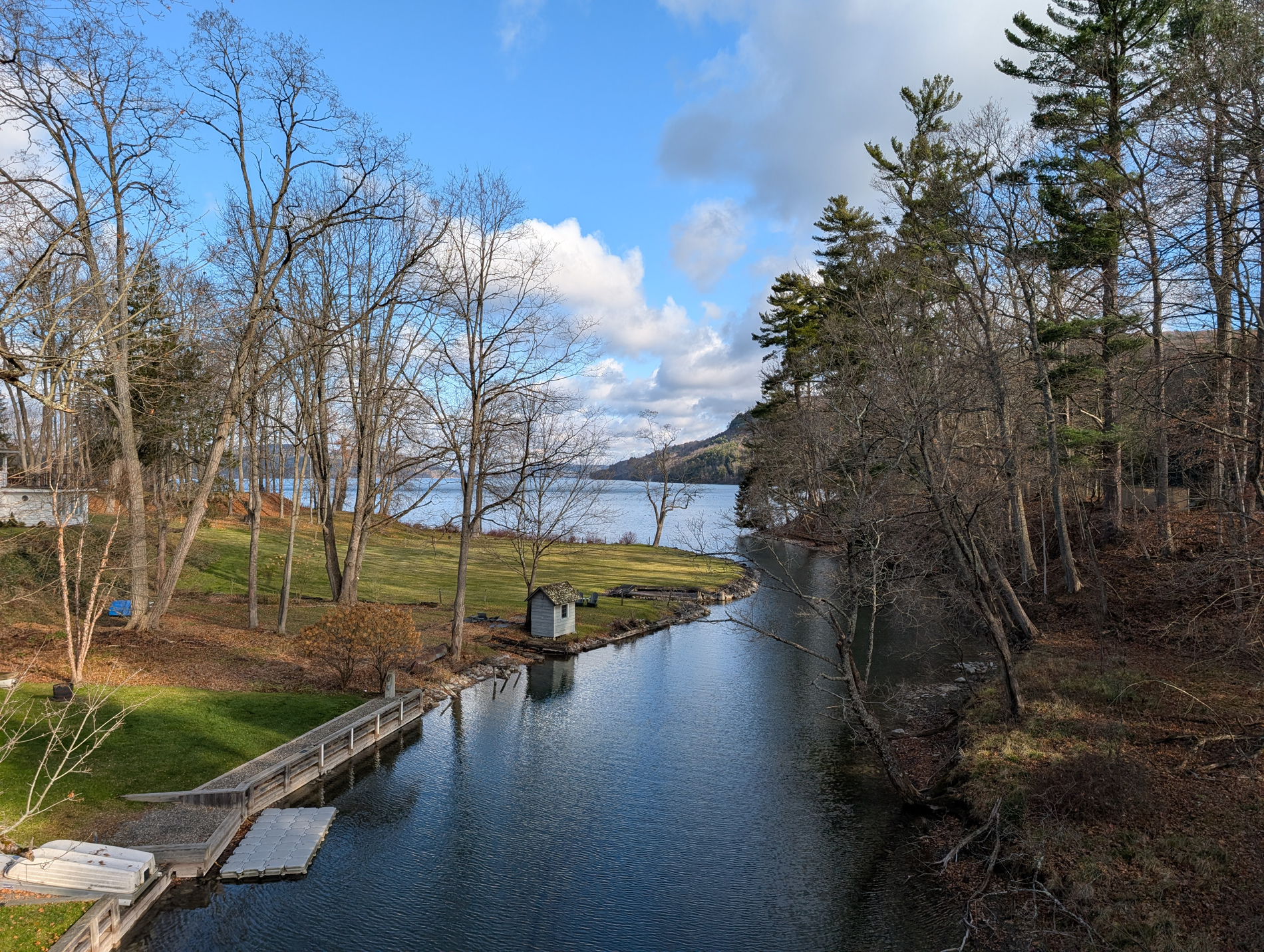
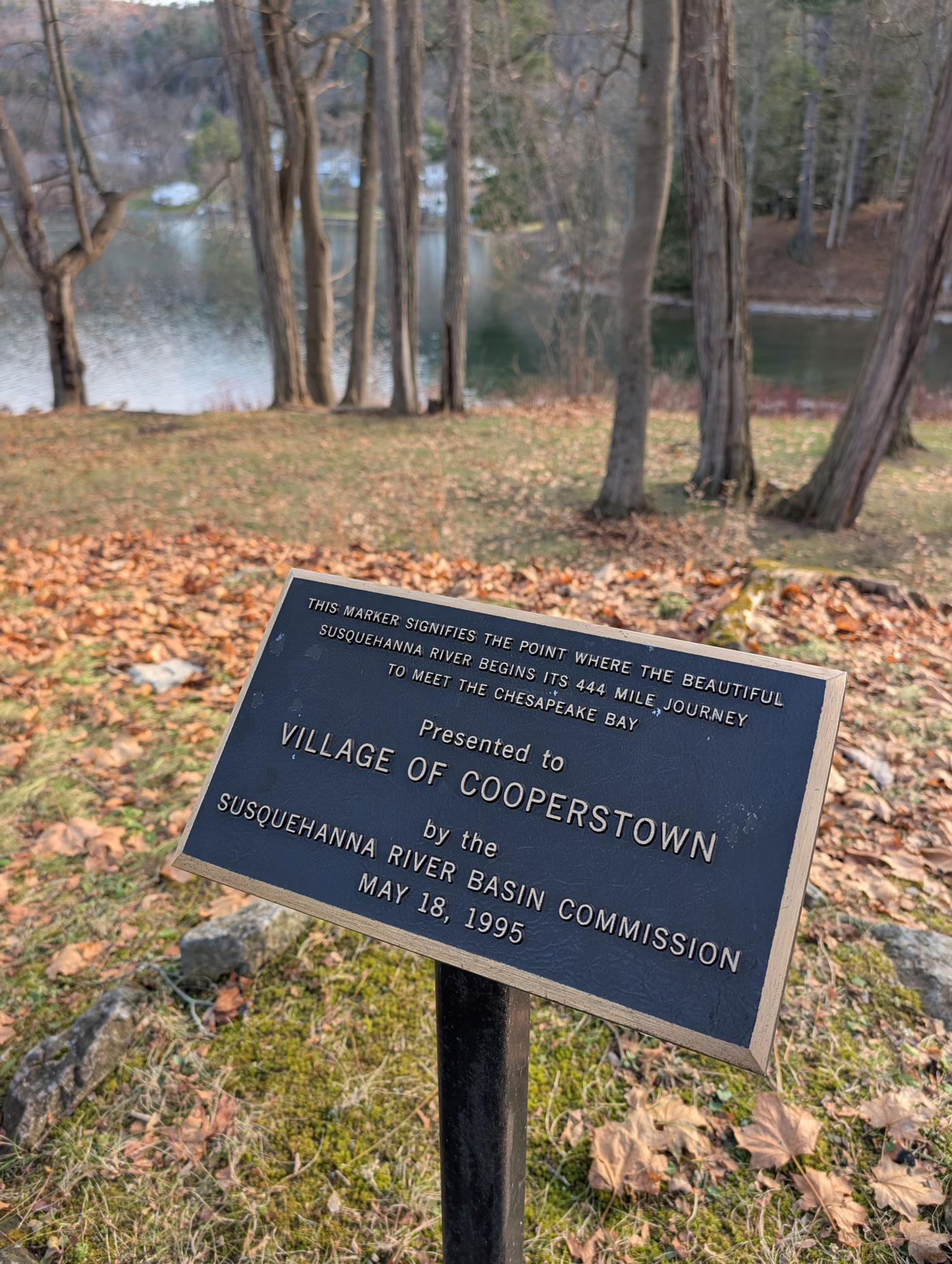
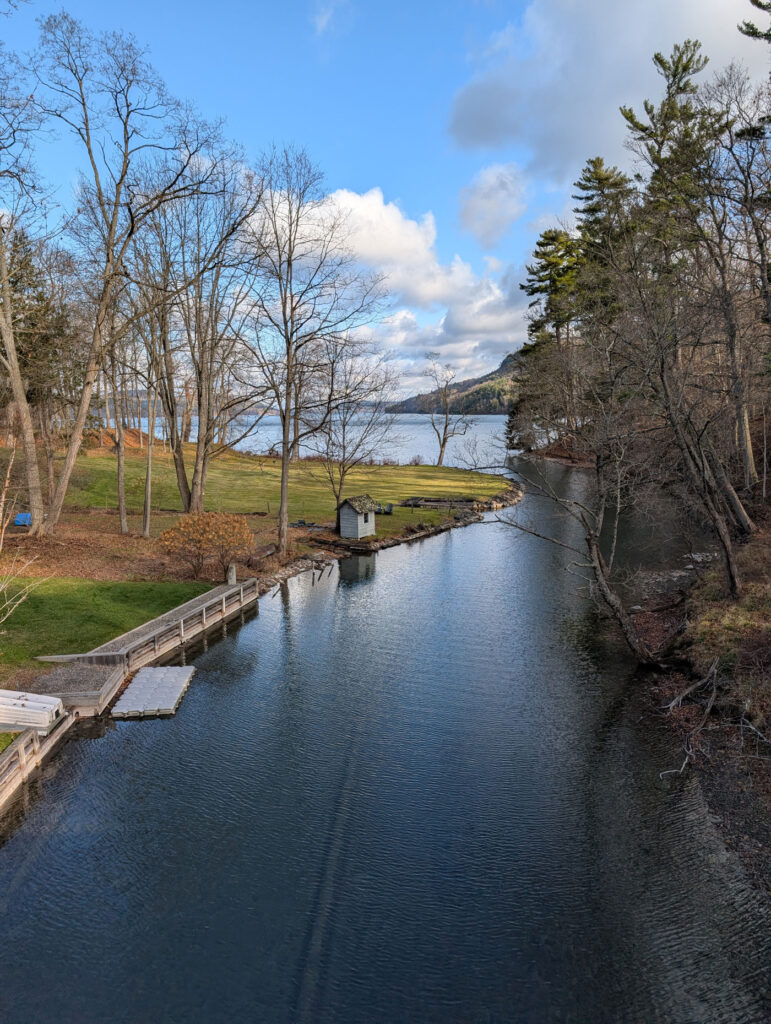
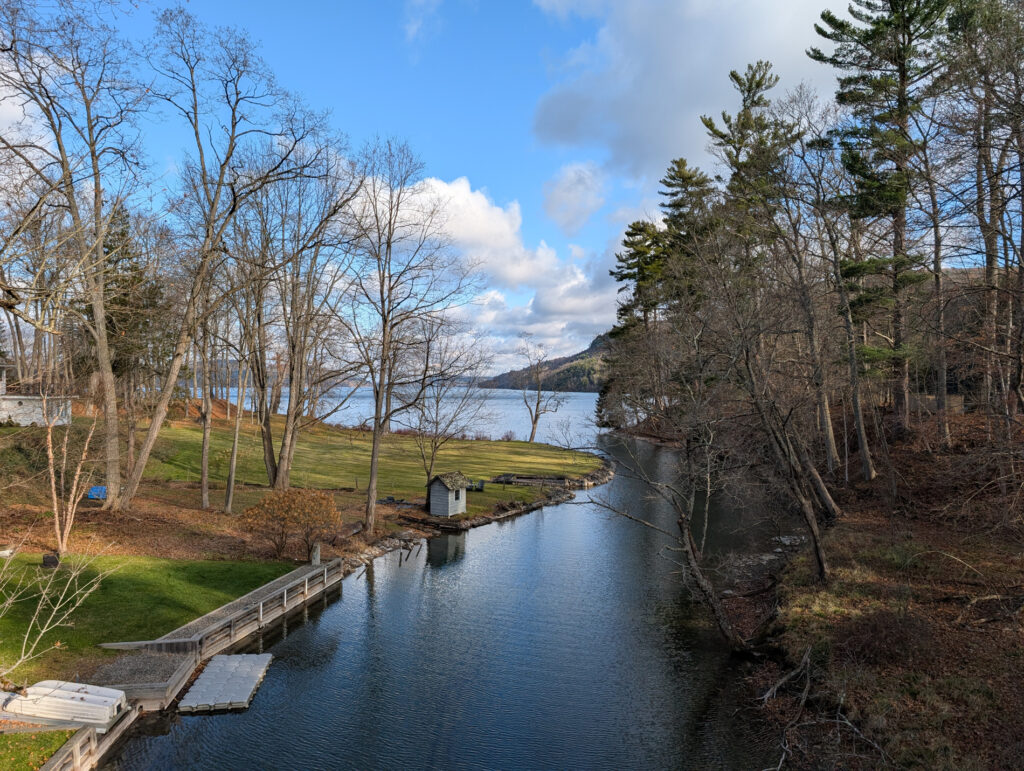
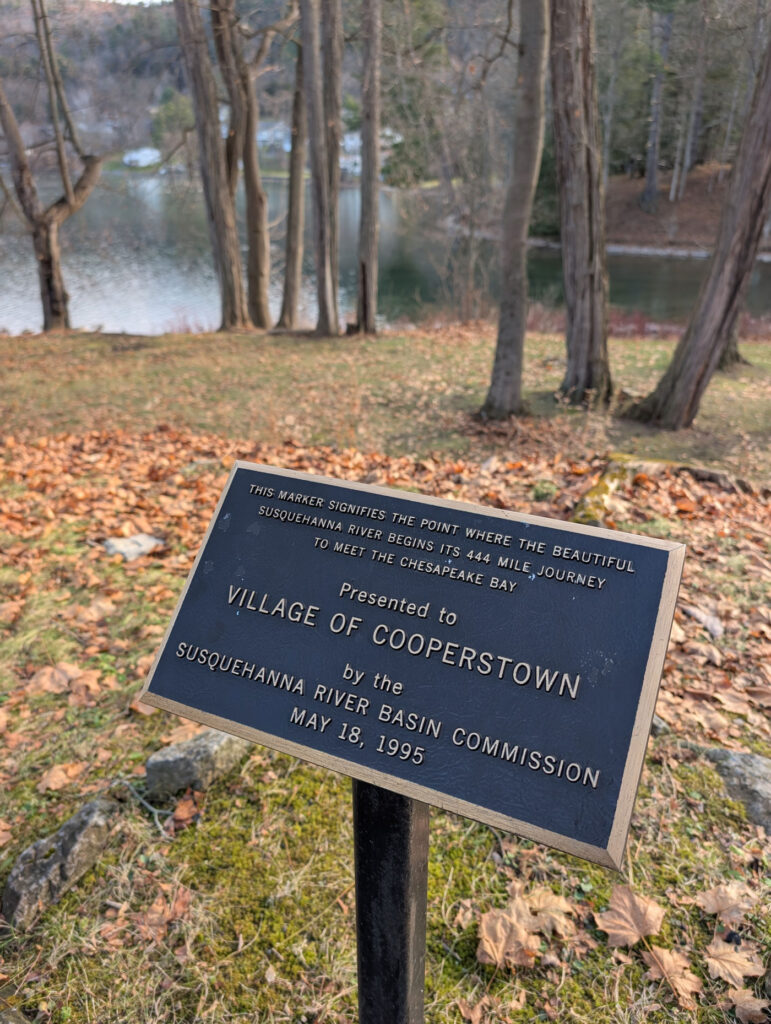
After our meeting, I gathered the family, and we walked the half mile to where the lake forms the Susquehanna. Surrounded by a small park, the spot provides a couple of relaxing benches, some historic plaques and a marker established by the Susquehanna River Basin Commission on May 18, 1995. It reads:
“This marker signifies the point where the beautiful Susquehanna River begins its 444-mile journey to meet the Chesapeake Bay“
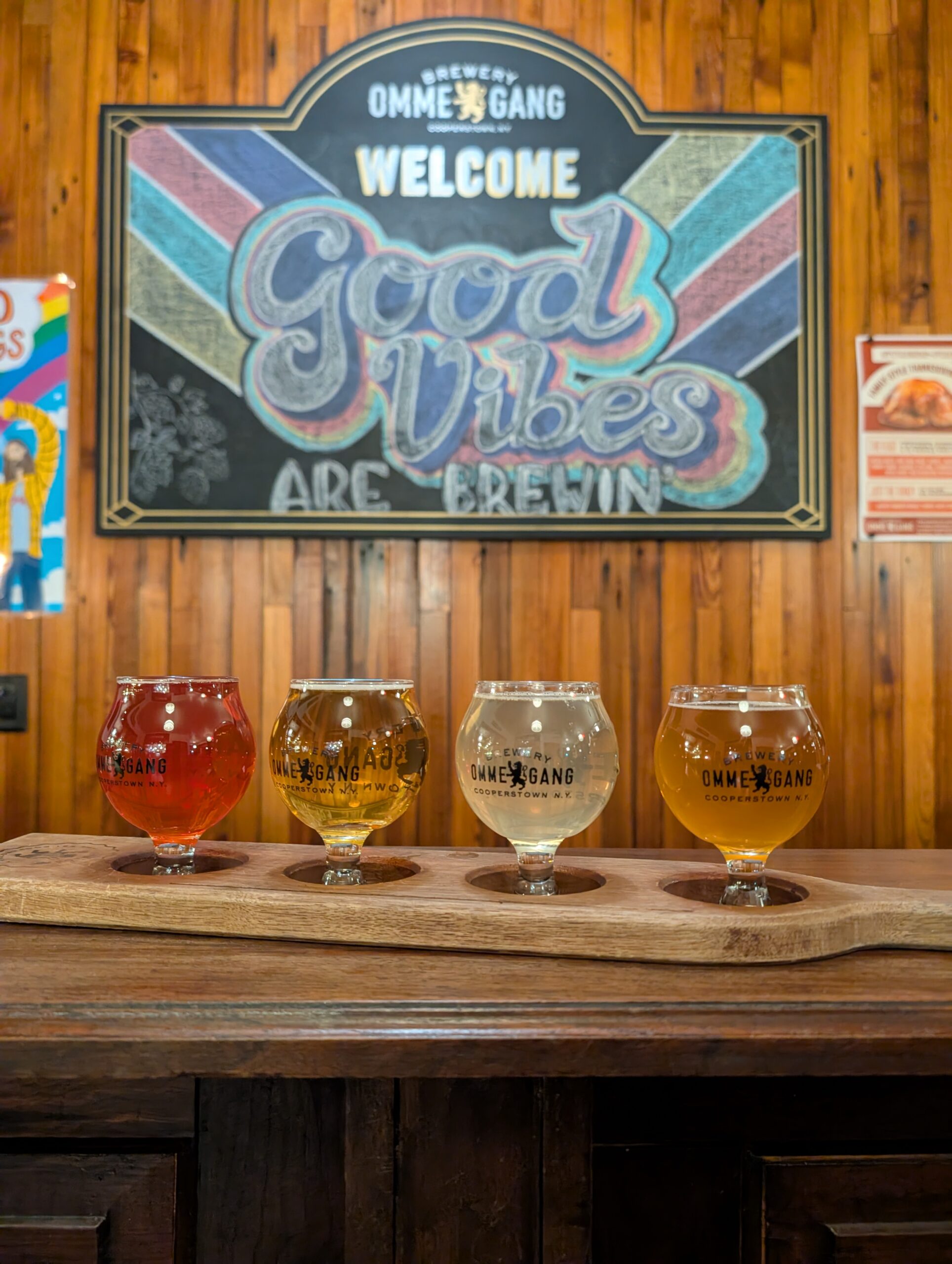
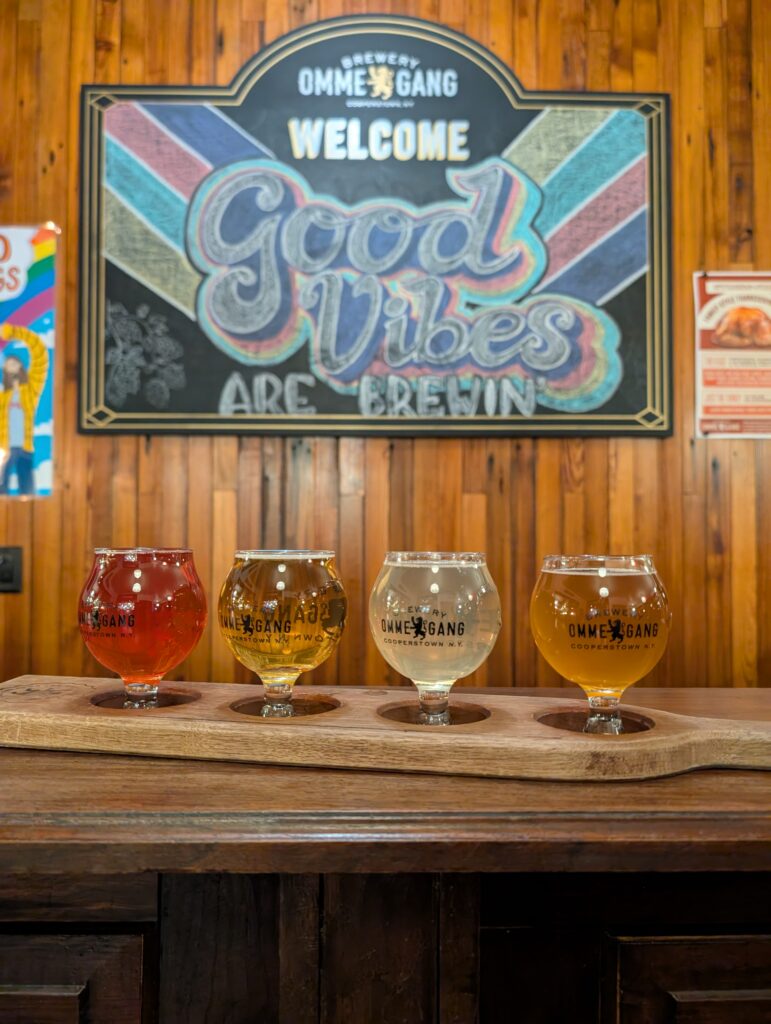
Six miles south of the headwater marker, the river – still only a narrow spat – makes its first windings through fertile farmland and skirts Brewery Ommegang. Every beer aficionado knows of this spot “where Heaven met Earth and stayed a while.” When it opened in 1996, the Belgian-inspired brewery became synonymous with quality and a destination for beer pilgrimages. “We brew good beer here, and I think it has a lot to do with the quality of our water,” I remember Florian saying earlier. After stopping in for a flight and dinner during my stay in Cooperstown (Baseball Hall of Fame), I completely agree.
Farther south down the river, the first industrial dam of the waterway forms Goodyear Lake in Milford, New York. Leaving the lake, the river crosses under and follows busy I-88 as it runs from Schenectady southwest to Binghamton, eventually turning along I-86 and into the town of Owego.
Susquehanna, PA
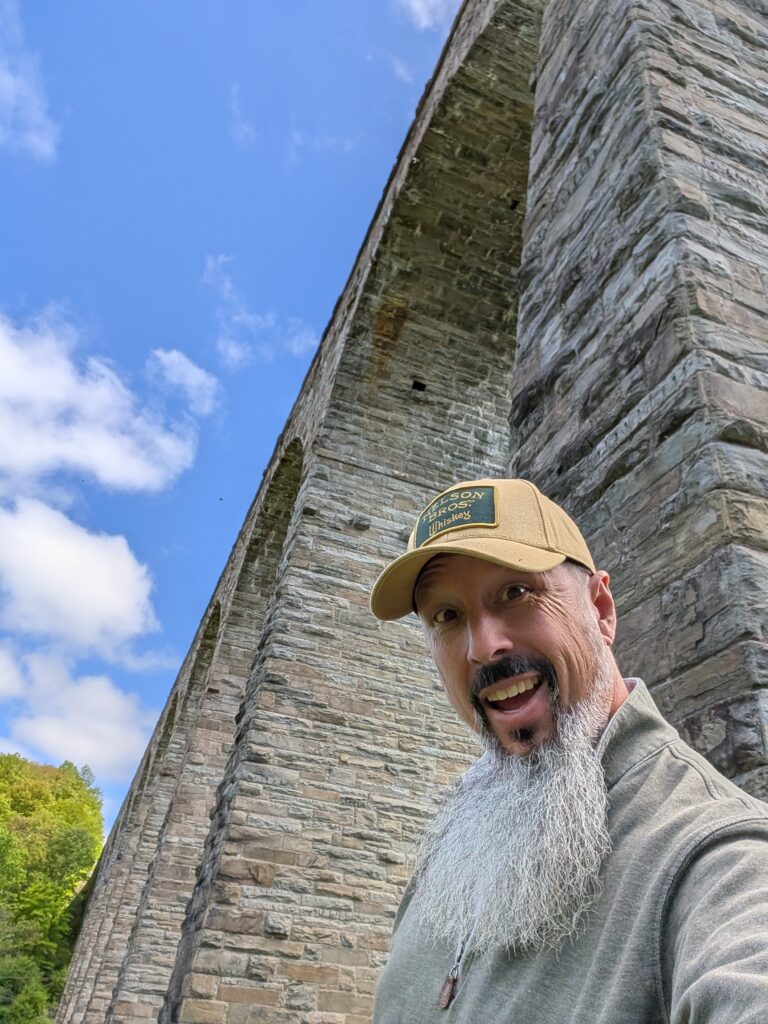
But before reaching Binghamton, the river quickly dips into Pennsylvania for 15 miles, cutting through State Game Lands and the towns of Lanesboro, Susquehanna and Hallstead in Susquehanna County. Last year, while driving north toward the Thousand Islands, I detoured to see the Starrucca Viaduct.
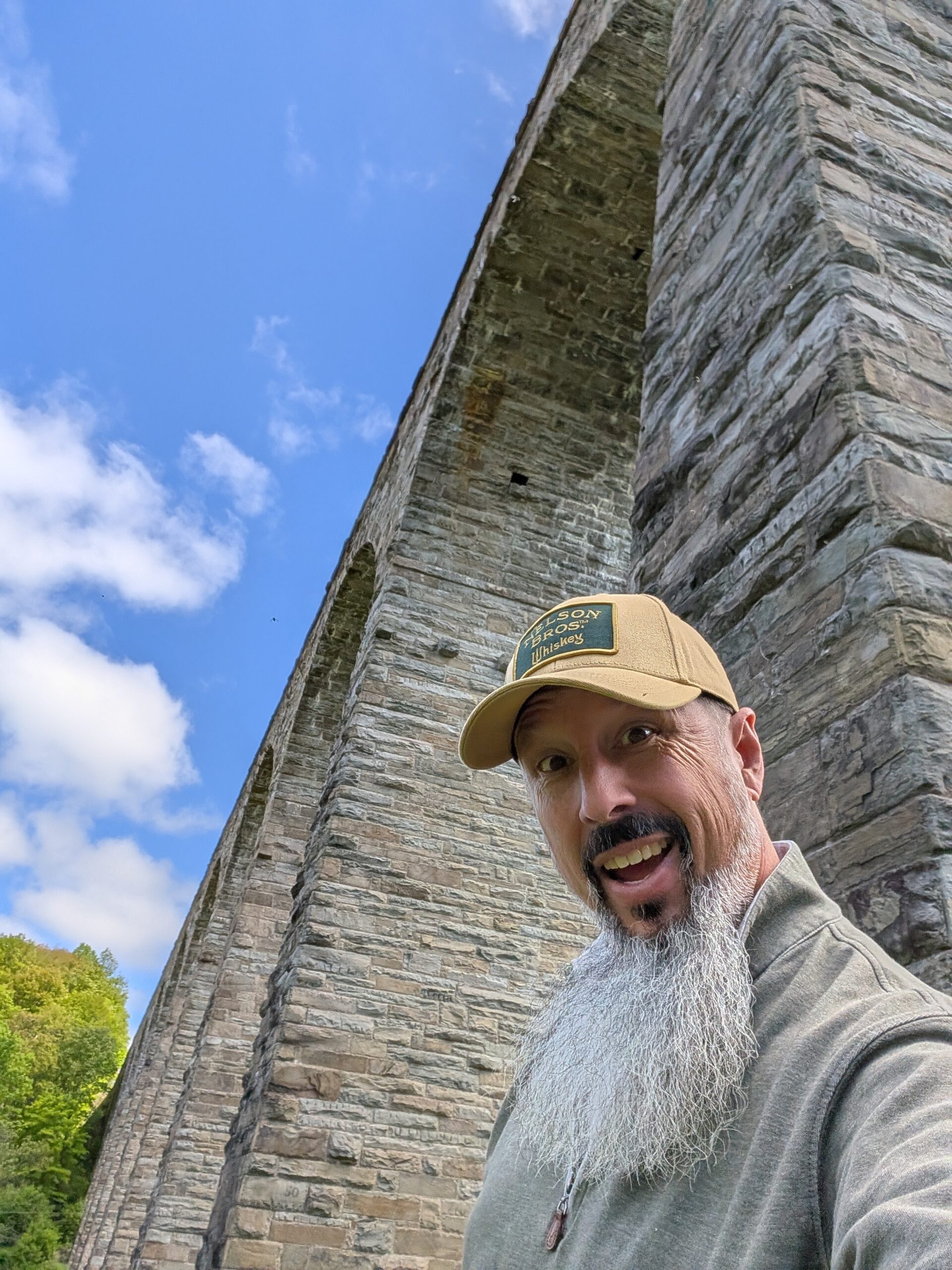
The modern megalith serves as a railroad bridge and stretches 1,040 feet across Starrucca Creek near Lanesboro. Its 17 bluestone arches have carried trains since 1848 (making it one of the oldest railroad bridges still in active use in the United States). The arches make a monumental rise from the neighborhood while kids play, and folks work on old cars in the towering shadows created by the 100-foot columns. The formation is one of America’s earliest uses of structural concrete, which is dressed in a stone exterior and took 800 laborers one year to construct. When a train rumbles overhead, the site is part thunder, part poetry and entirely Pennsylvanian.
Owego, NY
In 2023, I took the family on a ski trip to New York’s Finger Lakes region and diverted to the village of Owego for an afternoon. This is a place where geography and daily life are in tune. Its name comes from the Iroquois word ahwaga, meaning “where the valley widens,” and the Susquehanna opens noticeably as it passes beneath the lantern-lit Court Street Bridge into a walkable downtown. Brick storefronts, antique shops (Early Owego Antique Center), cafés (Carol’s Coffee and Art Bar), breweries (Lucky Hare), and steady foot traffic give Owego an easy charm, while the river is never more than a few blocks away.
Leaving Owego, the river dips into Pennsylvania east of Sayre, Bradford County, where it joins the Chemung River. Here, the Susquehanna begins to resemble the widened expanse familiar to Lancastrians.
Towanda & French Azilum
Crossing back into Pennsylvania, my family and I searched for coffee and found ourselves in Towanda. We stopped at The Community Cup Coffee & Tea House. Towanda is a cool little town. It reminds us of Mount Joy, and we put this place on our “return someday” list.
Twenty minutes east sits one of the state’s most unique wonders, the French Azilum Historic Site near Wyalusing, Bradford County. In 1793, political refugees – perhaps including Marie Antoinette – planned to flee revolutionary violence in France to a 300-acre community along a bend in the Susquehanna. Thirty of the 50 homes were constructed, but economic and political factors caused the new town to fail. Today, the French Azilum nonprofit maintains 20 of the original acres and a small museum with artifacts from the site. Three miles east from State Route 187, the French Azilum is a great side quest on a family road trip. Pack a lunch!
Concrete City
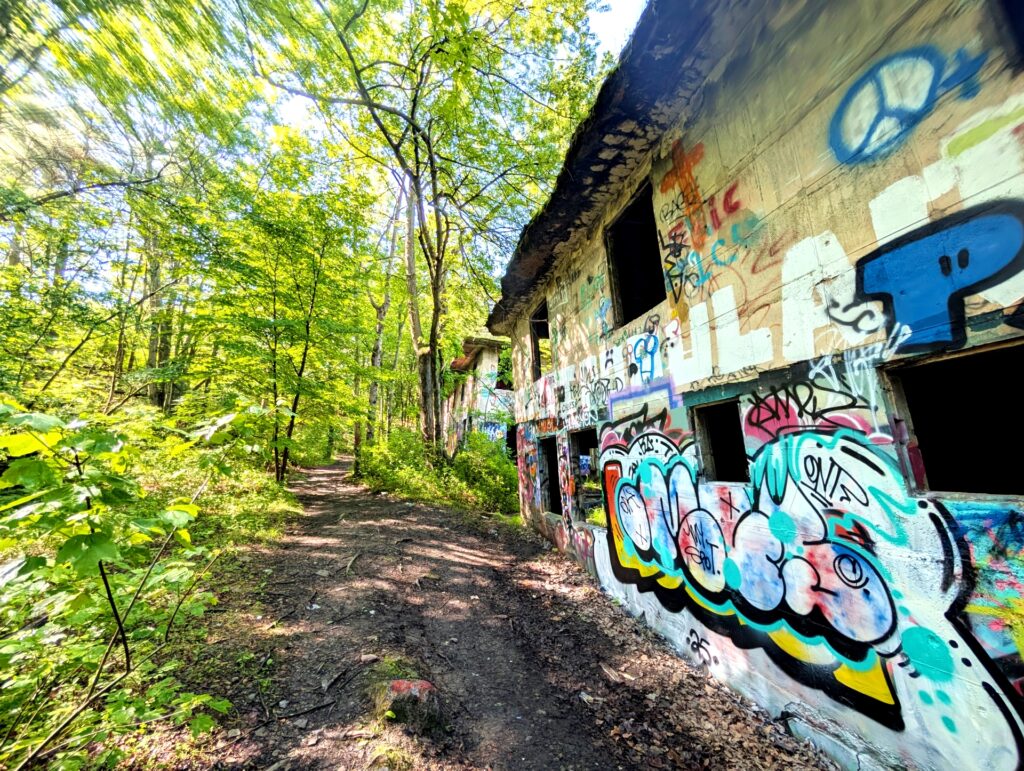
Lured by images on Instagram, I dragged my family through wet spring woods to a forgotten world. Well, judging by the amount of graffiti art, this place is not entirely forgotten but merely hidden to most. In Luzerne County, the river runs swiftly through coal country, and echoes of a prolific past are found in Nanticoke’s ghost town, Concrete City.
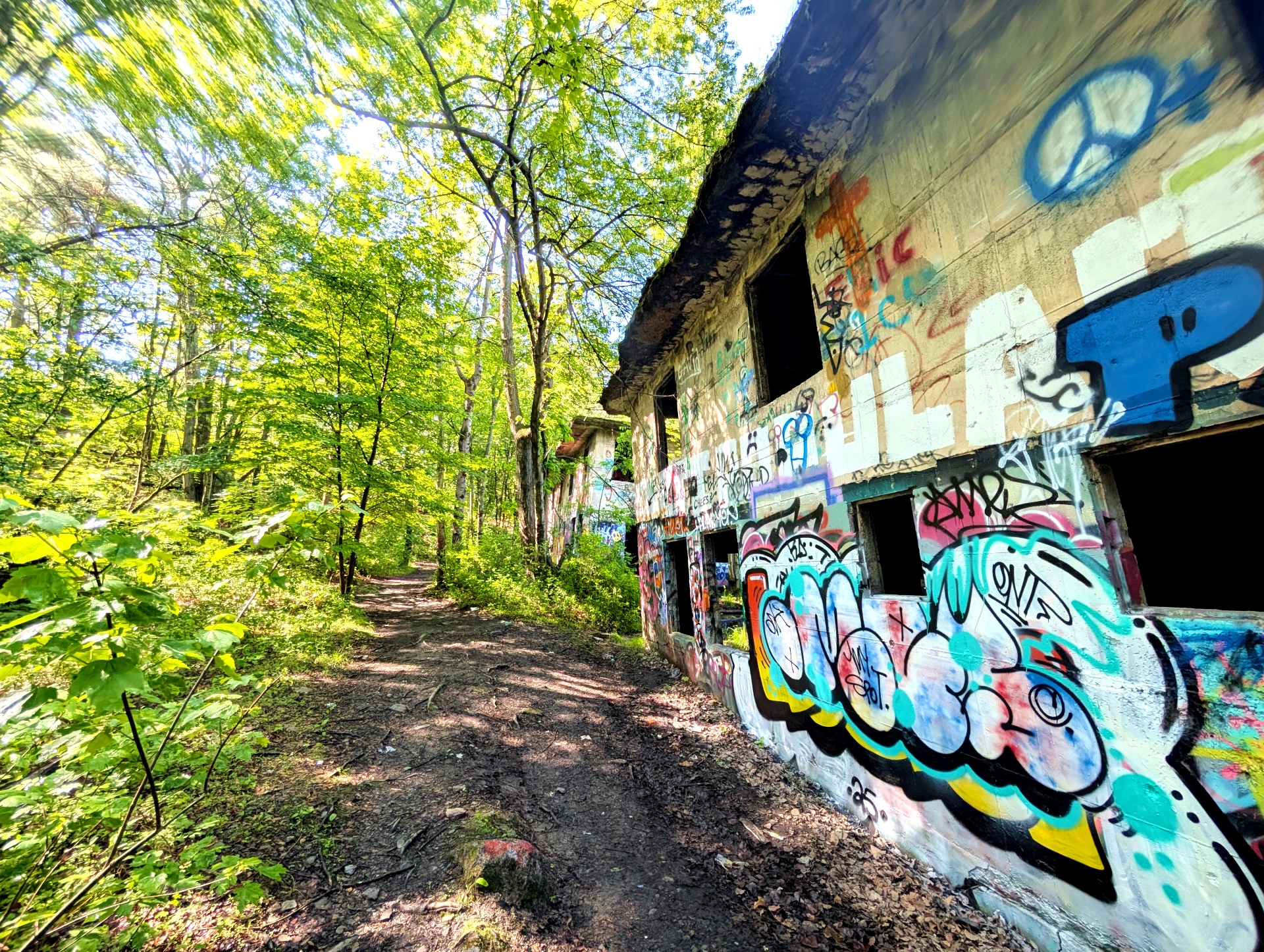
Built in 1911 as housing for railroad workers, the development originally featured 22 concrete duplexes with a courtyard, swimming pool and ball fields, a step up from the wooden “shanties” prevalent with most company housing of the time. As ambitious as these precursors to Brutalist architecture were, the houses were riddled with problems, and the village was abandoned in 1924. Costs to demolish the buildings still outweigh the suspected results, so they stand as historic testaments, urban canvas and playground.
There is no designated parking along Hanover Street, and we found the entrance to a trail by spotting a spray-painted boulder. After a half-hour trek, we came across what remains – a dozen skeletons of what used to be homes now emblazoned with a colorful mix of urban art, expressionism (some foul), and names and initials. An uneasy exhilaration filled us after an hour of kicking around the rubble, so I snapped some photos, posted a selfie to social media, and we headed out.
Sunbury
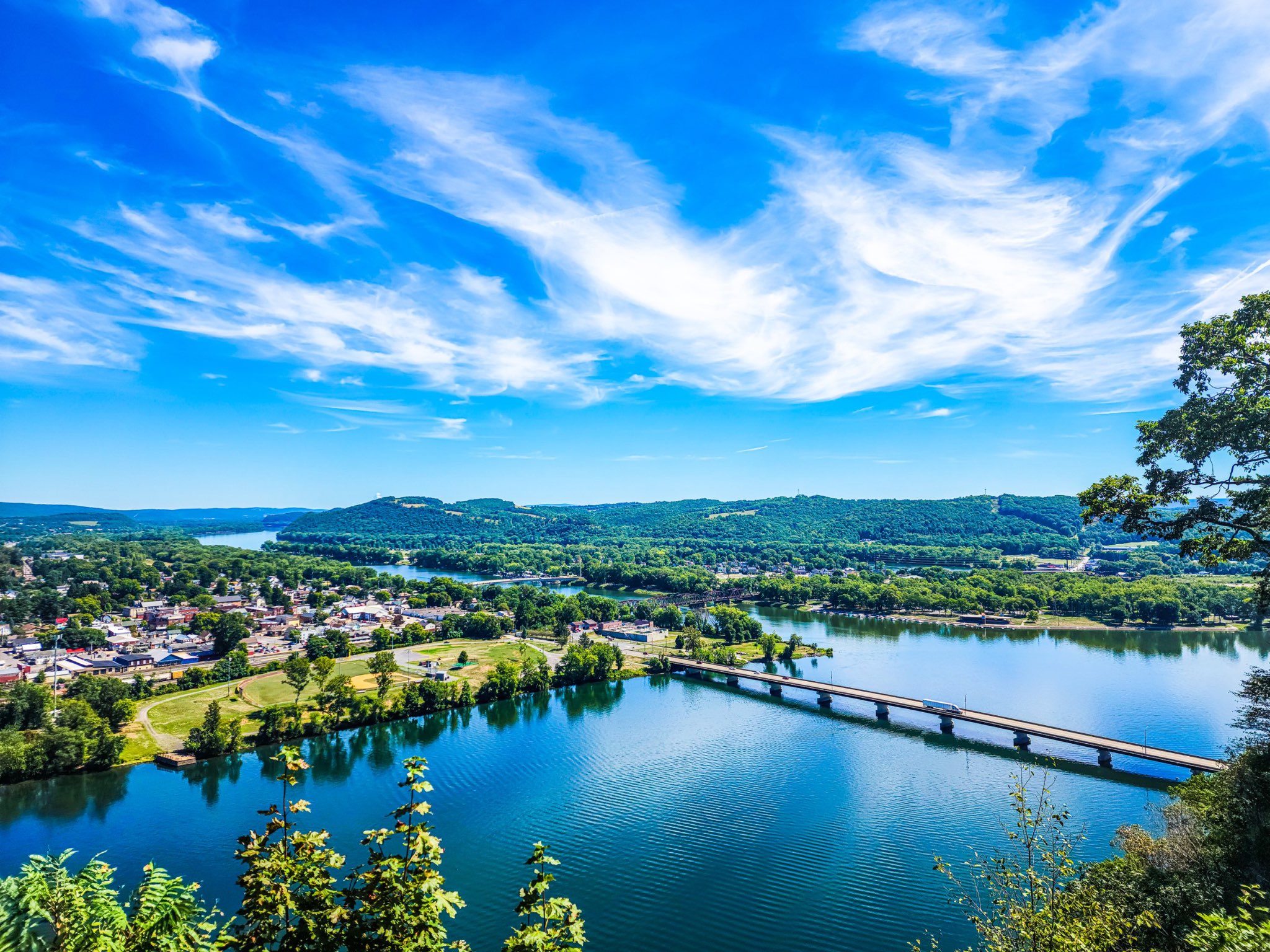
In Sunbury, the Susquehanna River meets the West Branch Susquehanna River, and the town has adopted the nickname: The Heart of the Susquehanna River. We stopped by in 2024 to visit two of Sunbury’s claims to fame, Fort Augusta and The Edison.
Built in 1756 on the site of the Native American village of Shamokin, Fort Augusta became Pennsylvania’s largest frontier fort during the French and Indian War. The structure later served as headquarters for American forces during the Revolution. Today, the nearby Hunter House – home to the Northumberland County Historical Society – preserves the quiet history of a forming nation.
Sunbury was in the PA history books before Thomas Edison arrived in July 1883, but the Wizard of Menlo Park gave the city a claim no place on earth could match. By wiring electricity to the City Hotel and nearby railroad station, Edison helped make Sunbury the first place in the world illuminated by the technology. The achievement brought international attention to the city, and eventually the hotel was renamed The Edison in his honor. Unfortunately, the hotel is not as bright as I imagined it would be. Its restaurants are closed, and rooms are let as long-term apartments, but there is a nice brass marker on the exterior detailing its past glory.
Millersburg To Harrisburg
PA Route 147 hugs the river south from Sunbury to Millersburg, where quiet streets and small-town endurance prevail. The historic Millersburg Ferry still links past and present – it is a 15- to 25-minute trip for cars, bikes and pedestrians to cross the Susquehanna by boat. Just outside of town, the Ned Smith Center for Nature and Art is less like a museum and more like an extension of the woods themselves. Named for Millersburg’s celebrated wildlife artist and naturalist Ned Smith, the center sits on 500+ acres of forest specked with meadows and streams.
The Susquehanna is the largest commercially non-navigable waterway in North America. And even though the river played an important part in the industrialization of southeastern PA in places like Steelton and Harrisburg, I often wonder how America would look if big ships could make their way north from the Chesapeake Bay to cities like Columbia, Duncannon and Selinsgrove. In comparison, the commercially navigable Ohio River provides 35 percent of the nation’s overwater commerce, helping to build cities like Pittsburgh, Cincinnati and Louisville.
Columbia/Wrightsville
I once read how Columbia, Lancaster County’s largest river town, might mimic New York City in size and prosperity had the Susquehanna been navigable for commerce. Even a more conservative estimation of 10x the current population of Columbia would create a city the size of Trenton. The same might be said for our across-the-river neighbor Wrightsville, York County, which is home to an amazingly unique tie to the Susquehanna’s headwaters.
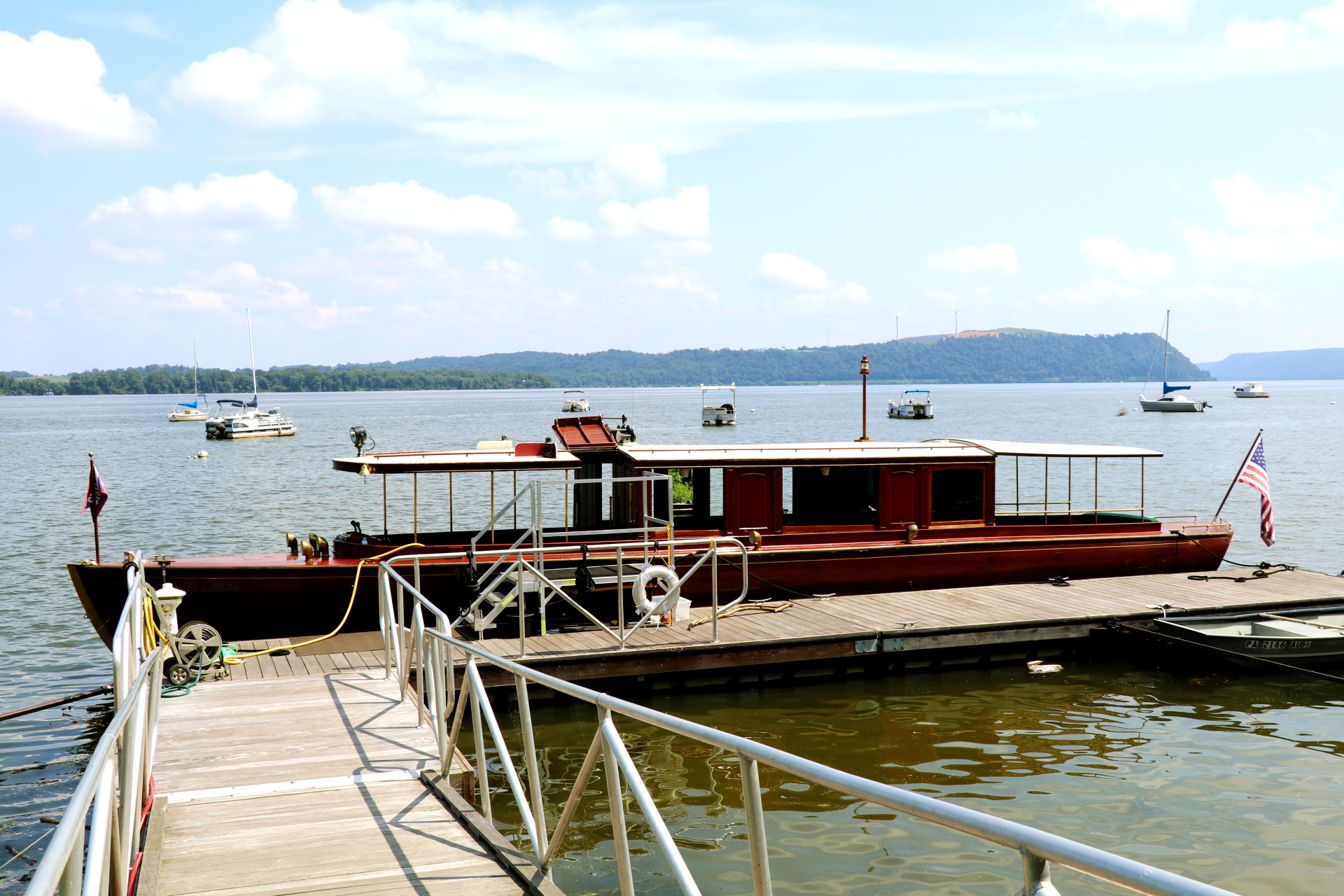
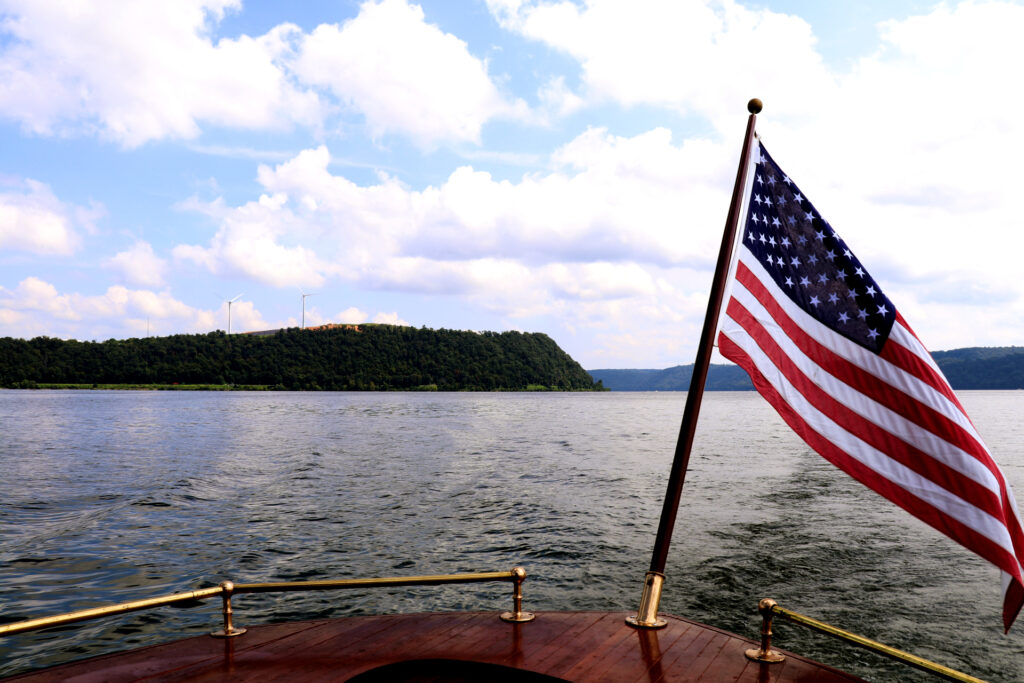
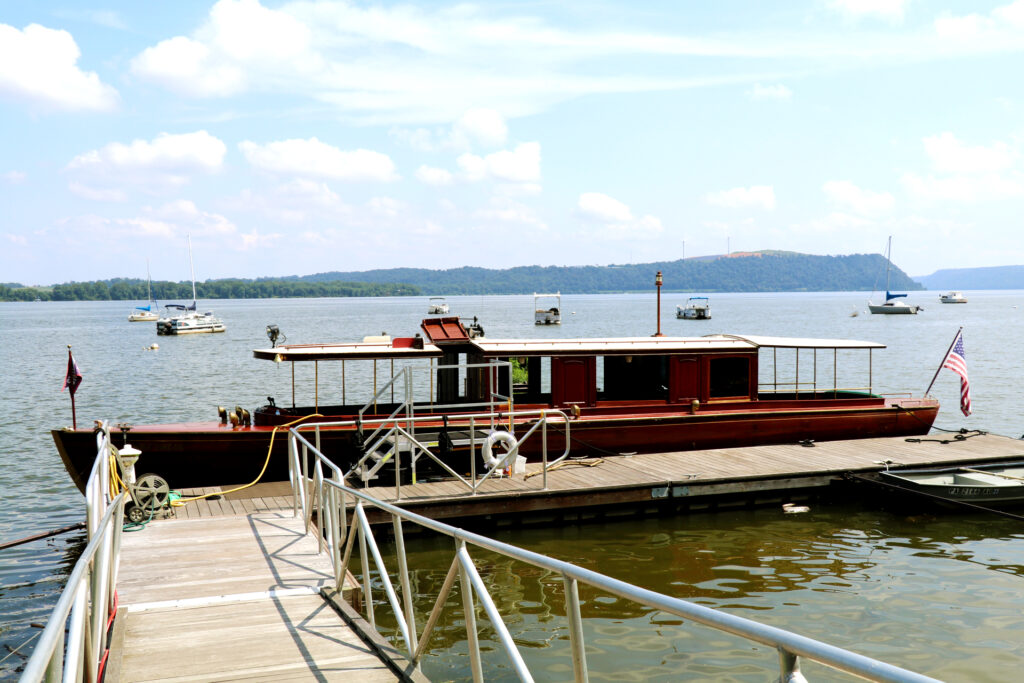
On a sunny August day in 2025, I boarded Chief Uncas, a 1912 Elco Motor Yacht heading out from its berth in Wrightsville on a leisurely and informational cruise on the Susquehanna. The original price tag on this electric boat (made at a time when few had electric in their homes) was $100,000 ($3 million adjusted for today). The original owner, Adolphus Busch (yes, the beer baron), bought the boat for his summer house on Otsego Lake. Busch loved the Cooperstown area because it reminded him of Germany, and it was home to his 1,000-acre Hager Hops farm.
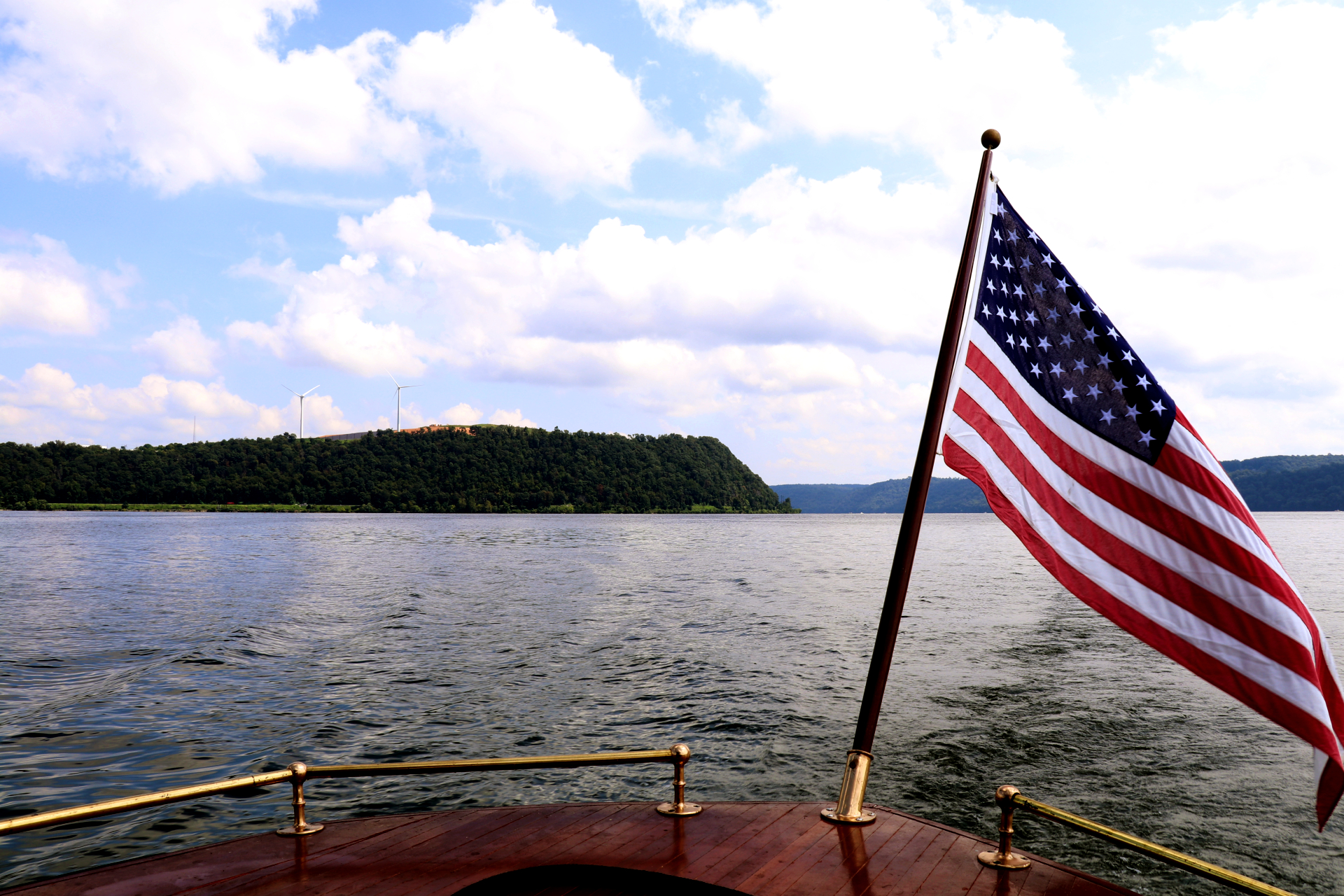
Stepping aboard felt like entering another era. Honduran mahogany gleams, a glass cabinet by Tiffany shines with extravagance, and amenities like a cocktail bar detail the opulence of this all-electric watercraft. High-back wicker chairs have been replaced with benches more suitable for tour groups, and as we drift up the river – and drift is appropriate as Chief Uncas has a top speed of 8 mph – a docent from the Susquehanna National Heritage Center provides history on the boat, passing land features, and a selection of curated images. I learned the Susquehanna, estimated to be 330-340 million years old, is older than the Nile.
The center, which holds an affiliation with the National Park Service, bought the cruiser in 2021 from the great grandson of Adolphus Busch for $75,000 plus renovation costs. It is the only 1912 Elco Motor Yacht in operation today. The namesake of the vessel honors the 17th-century Mohegan chief who is portrayed in Cooper’s novel The Last of the Mohicans. Today, Chief Uncas travels our stretch of the river via hour-long discovery tours (Thursday through Sunday), themed experiences and private rides. The boat departs from the Zimmerman Center for Heritage located at 1706 Long Level Road, Wrightsville.
The Story Continues
Ultimately, the Susquehanna sweeps south and enters into the Chesapeake Bay at Havre de Grace, Maryland. Our river provides 50 percent of the bay’s freshwater inflow. Trickling down from James Fenimore Cooper’s Glimmerglass, the river tells the tale of humanity more than any novel could capture. We are a part of its story just as much as the fish and fowl, small towns, and boats who make it their home.
Leave a Reply